


Here's what this method really is, how it works step by step, and an honest look at how fast it actually gets you out of debt compared to the alternative most finance nerds swear by instead.
What the Debt Snowball Method Actually Is
The debt snowball method has you list all your debts from smallest balance to largest, completely ignoring interest rates in that ranking. You keep making minimum payments on everything except the smallest debt, and you throw every extra dollar you can find at that smallest balance until it's paid off completely. Once it's gone, you take the amount you were paying on it and roll that entire payment into the next smallest debt, creating a bigger payment than before. That payment keeps growing as each debt gets eliminated, which is where the "snowball" name comes from, a small amount building size and speed as it rolls downhill.
This approach was popularized by financial personality Dave Ramsey, and its core selling point isn't mathematical efficiency, it's psychological. Paying off an entire debt, even a small one, gives you a visible, concrete win early in the process, and that early win is often what keeps people committed to a payoff plan that might otherwise take years to complete.
How It Actually Plays Out: A Real Example
Say you've got four debts: a $1,200 credit card, a $3,500 personal loan, a $6,000 car loan, and $9,000 in remaining credit card debt from a second card. You've got an extra $300 a month beyond your minimum payments to put toward debt.
Under the snowball method, all $300 goes toward the $1,200 credit card first, on top of whatever minimum payment it already requires. Once that's paid off, typically within a few months depending on your minimum payment size, that freed-up money rolls into the $3,500 personal loan, now getting an even bigger combined payment. This process repeats, each payoff accelerating the next, until you eventually reach the $9,000 balance with your full combined payment amount hitting it directly.
The exact timeline depends heavily on your specific balances, interest rates, and how much extra you can consistently put toward debt each month, which means there's no universal "you'll be debt-free in X months" answer that applies to everyone. What is consistent is the structure: early wins come fast, and the pace accelerates as you work through the list.
How This Compares to the Debt Avalanche Method
The debt avalanche method is the mathematically optimal alternative, where you rank debts by interest rate instead of balance, tackling the highest-interest debt first regardless of its size. In pure dollar terms, avalanche typically saves you more in total interest paid over the life of your payoff plan, since you're neutralizing your most expensive debt first rather than your smallest one.
The trade-off is that avalanche can feel slower in the early going if your highest-interest debt also happens to be one of your larger balances. You might grind on that single debt for many months before seeing your first full payoff, which is exactly the stretch where a lot of people lose motivation and quietly stop following their plan altogether.
This is really the entire debate in a nutshell: snowball optimizes for behavioral consistency and early motivation, avalanche optimizes for total interest saved. Neither is universally "better," it depends on whether your biggest obstacle is math or momentum.
What This Means for Your Money
If you tend to stick with financial plans once you see progress but lose steam when results feel distant, the snowball method's early wins can be the difference between finishing your payoff plan and abandoning it a few months in, even if it costs you somewhat more in interest along the way. That trade-off is often worth it in practice, since a payoff plan you actually complete beats a theoretically optimal one you give up on halfway through.
If you're someone who's motivated more by numbers and total cost than by visible milestones, or if the interest rate gap between your debts is large, say a 24% credit card sitting alongside a 6% car loan, the avalanche method's interest savings might matter enough to outweigh the psychological benefit of snowball's faster early wins.
It's also worth being realistic about what "fast" actually means here. Neither method is fast in an absolute sense if your total debt load is large relative to your available monthly payment amount. Both methods speed up over time as balances get eliminated and payments compound onto remaining debts, but the first few months on either plan often feel slower than the momentum you'll build later on.
Key Takeaways
Rank your debts from smallest to largest balance, not by interest rate, if you're using the snowball method specifically, since mixing the two approaches defeats the psychological structure that makes snowball effective in the first place.
Keep making minimum payments on every debt except your current target, and direct every extra dollar you can find toward that single smallest balance until it's fully paid off.
Track your progress visibly, whether that's a simple spreadsheet, a printed debt list you cross off, or an app, since the visible progress is genuinely part of what makes this method work behaviorally, not just financially.
Recalculate your rolled-over payment amount every time a debt is paid off, since forgetting to increase your payment on the next target debt slows the entire process down and reduces the snowball effect the method is built around.
Consider your own spending and motivation patterns honestly before choosing between snowball and avalanche, since the "right" method genuinely depends on which one you're more likely to actually stick with long-term.
Common Mistakes to Avoid
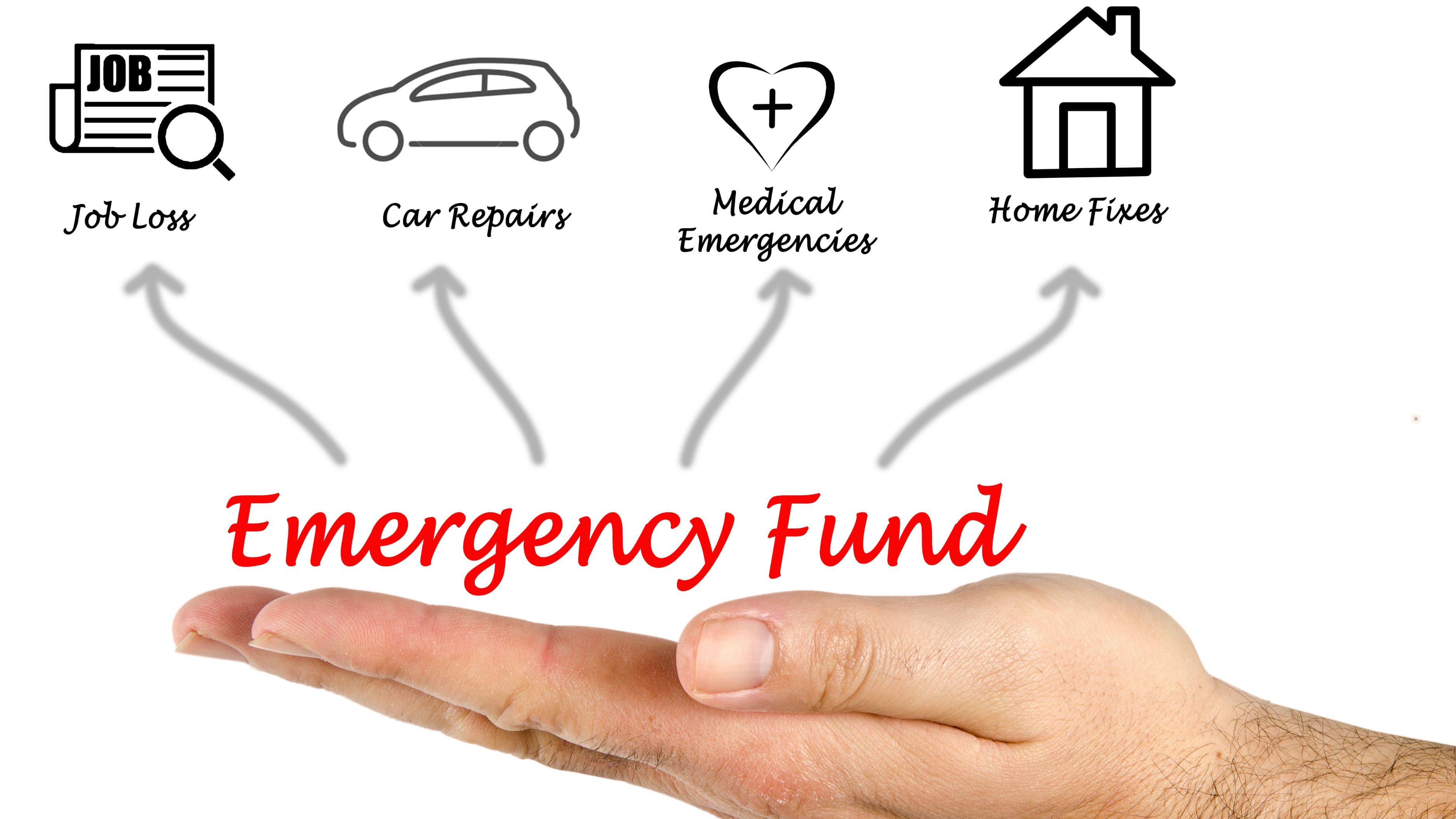
Don't stop contributing to an emergency fund entirely while aggressively paying down debt. A small buffer, even a few hundred dollars, prevents a surprise expense from forcing you back onto a credit card you just worked to pay off.
Don't add new debt while working through your existing snowball. It sounds obvious, but a lot of progress gets undone by treating a paid-off card as newly available credit rather than a completed goal.
Don't ignore high-interest debt indefinitely just because it's not your current smallest balance. If one debt carries a dramatically higher interest rate than the rest, it's worth at least calculating how much extra it's costing you in the meantime before committing fully to the snowball order.
FAQ
How much extra money do I need to make the debt snowball method work? Any amount above your minimum payments helps, though larger extra payments obviously accelerate the timeline. The method works with modest extra contributions, it just takes longer to see full results with smaller amounts.
Is the debt snowball method a bad choice if I have high-interest credit card debt? Not necessarily, though it's worth weighing the interest cost difference against your own motivation patterns. If the interest rate gap between your smallest and largest-interest debts is significant, avalanche may save meaningfully more over time.
Can I switch between snowball and avalanche partway through? Yes, there's no rule against it. Some people start with snowball for early motivation, then shift toward interest-rate prioritization once they've built momentum and confidence in sticking with a payoff plan.
Does the debt snowball method affect my credit score? Paying down debt generally helps your credit utilization ratio over time, which can support your credit score, though the exact impact depends on your overall credit profile and the types of debt involved.