
What This Means for Your Money
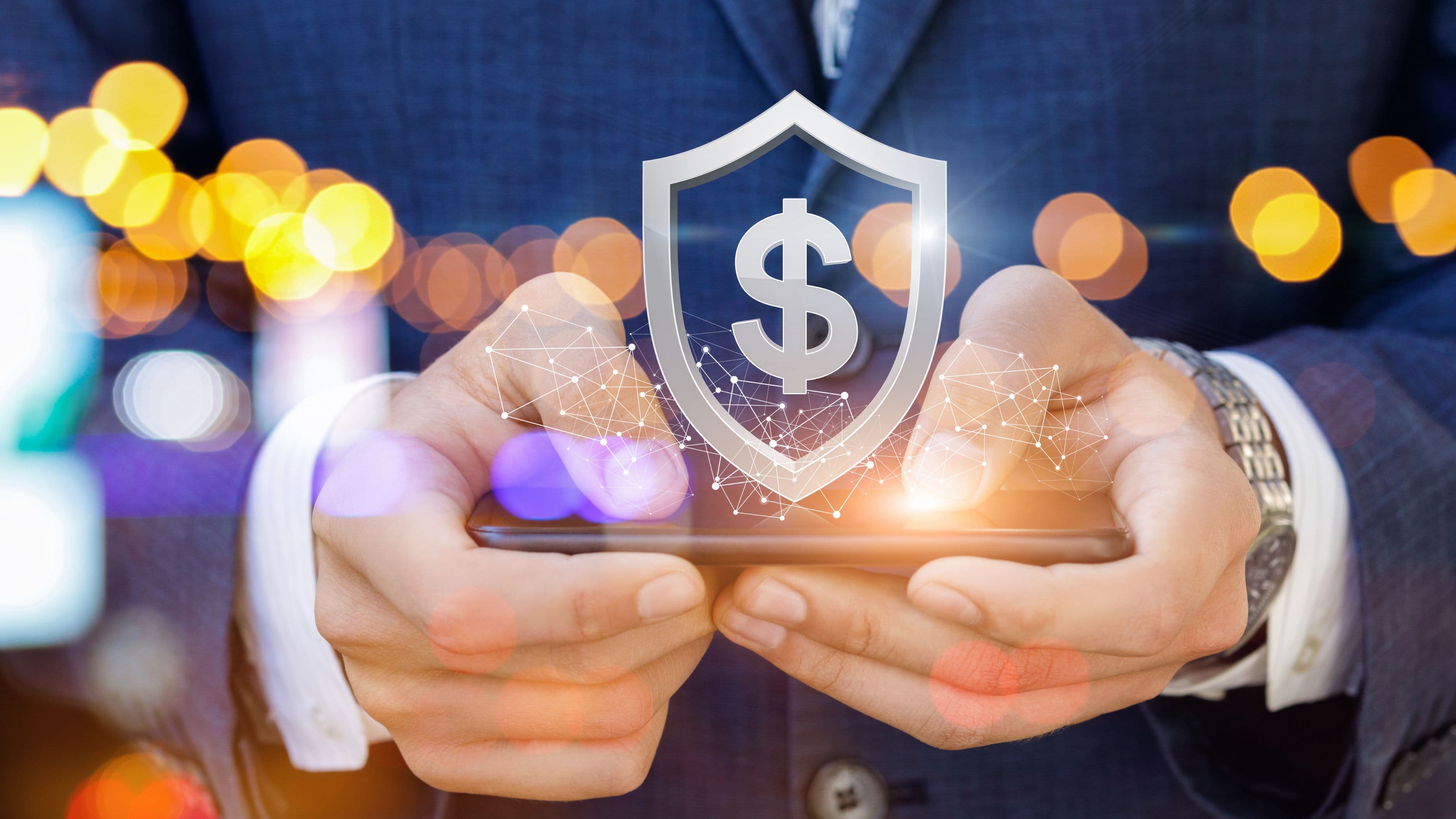
The short version: AI-powered fraud detection is one of the reasons unauthorized charges get caught and reversed faster than they used to, and why certain scam attempts get blocked before money even leaves your account. But it's not a perfect shield – AI helps most with pattern-based fraud detection, while scams relying on manipulating you directly, like social engineering and phishing, still require your own awareness to catch.
Real-Time Transaction Monitoring
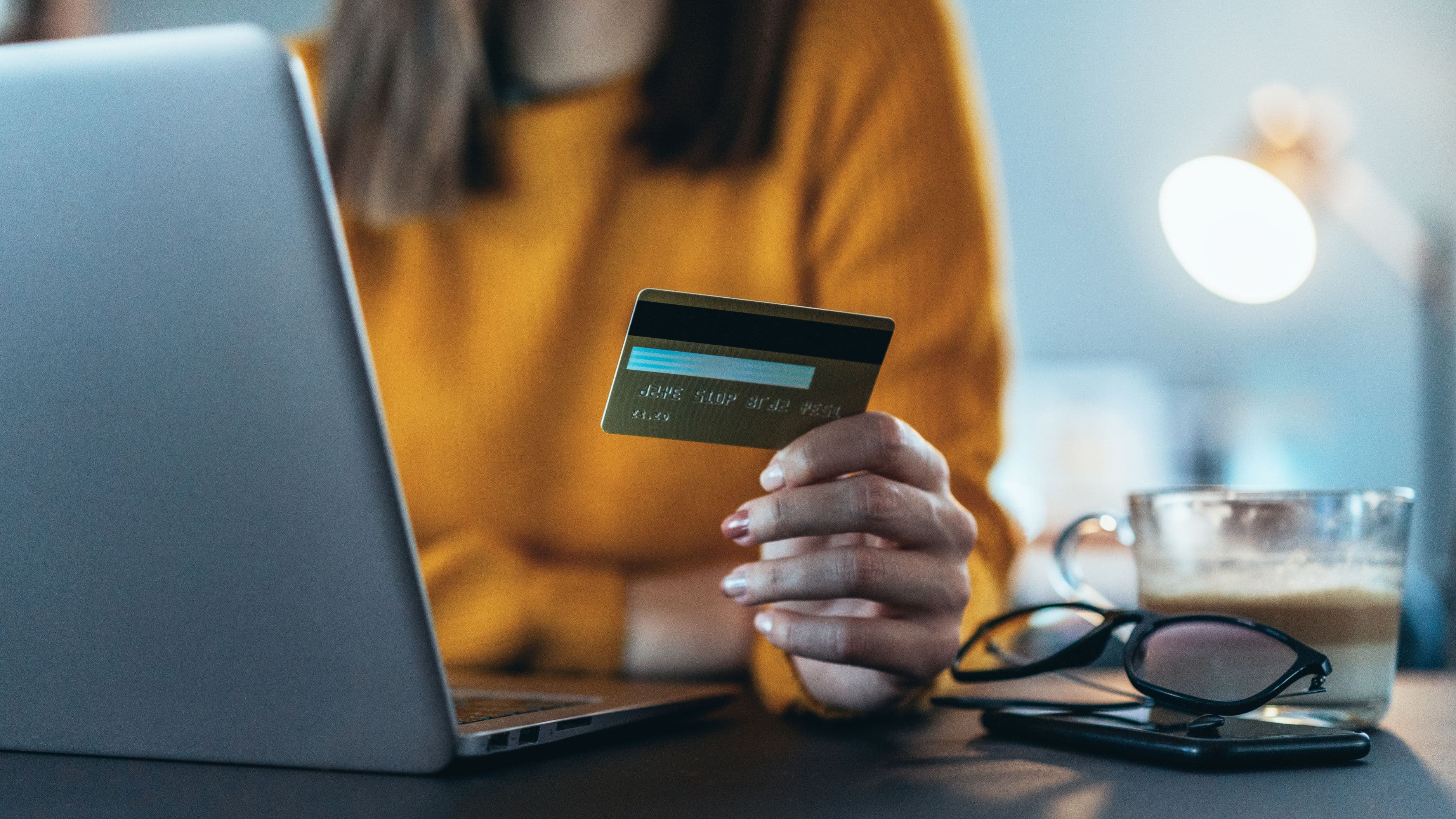
Most major banks and card networks now use machine learning models trained on massive datasets of past transactions to flag activity that deviates from your normal spending patterns. If your card suddenly gets used for a large purchase in a country you've never visited, or for a type of purchase wildly outside your usual habits, these systems can flag or temporarily block the transaction within seconds.
This is a meaningful upgrade from older rule-based fraud systems, which relied on simple fixed thresholds – like flagging any purchase over a certain dollar amount – regardless of whether that purchase actually fit your typical behavior. Machine learning models instead build a personalized behavioral profile for each account, making detection considerably more accurate and reducing false positives that used to cause legitimate purchases to get declined unnecessarily.
Detecting Account Takeover Attempts
AI systems also help detect when someone other than you is trying to access your accounts, analyzing signals like typing patterns, login location, device fingerprint, and even how you navigate a banking app. If these behavioral signals suddenly shift dramatically from your established patterns, it can trigger additional verification steps before allowing sensitive actions like large transfers or password changes.
This layer of protection matters increasingly given how many scams now start with compromised login credentials obtained through data breaches or phishing, rather than stolen physical cards. Behavioral detection adds a layer of protection that goes beyond simply checking whether the correct password was entered.
Scam Call and Text Detection
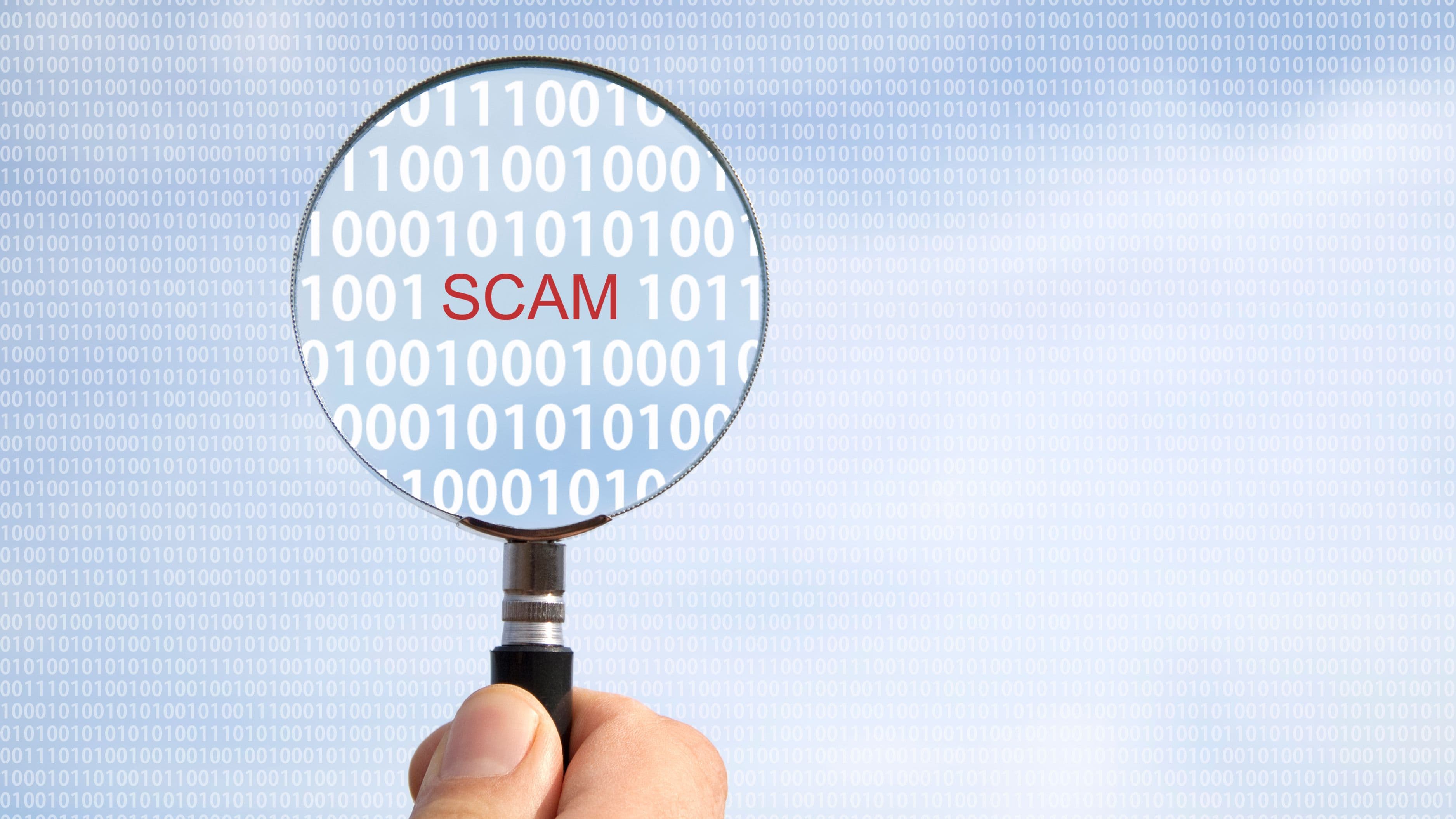
Some banks and telecom providers have started deploying AI tools specifically designed to identify scam calls and text messages in real time, flagging known scam scripts, suspicious phone numbers, or message patterns commonly associated with phishing attempts. A few banking apps now display real-time warnings when you're about to send money to an account showing patterns consistent with known scam activity.
This technology is still developing and isn't universally available across every bank or provider, but it represents a meaningful shift toward catching scams at the point of contact, rather than only after money has already been transferred and is much harder to recover.
Identifying Deepfake and Voice-Cloning Scams
As AI-generated voice cloning and deepfake technology has become more accessible to scammers, some financial institutions have started deploying their own detection tools specifically designed to identify synthetic audio and video used in scam attempts, particularly those impersonating a family member in distress or a company executive authorizing a wire transfer.
This remains one of the more challenging fraud detection areas, since the underlying AI generation technology continues to improve rapidly. It's genuinely an ongoing arms race between detection tools and increasingly convincing synthetic media, and this is an area where your own skepticism toward urgent, emotionally-charged requests for money remains an important complement to any technology-based protection.
Where AI Still Falls Short
AI fraud detection is generally strongest against pattern-based, transactional fraud – unusual purchases, suspicious login behavior, known scam phone numbers. It's considerably weaker against scams that rely purely on convincing you to voluntarily authorize a transaction yourself, such as romance scams, fake investment opportunities, or impersonation scams where you're the one initiating the transfer under false pretenses.
Because these scams involve a legitimate, authorized transaction from the account holder's perspective, many automated fraud systems don't flag them the same way they would an unauthorized charge. This is exactly the gap where your own awareness and healthy skepticism toward urgent or too-good-to-be-true financial requests remains essential, regardless of how sophisticated the underlying detection technology becomes.
Practical Takeaways You Can Use Today
Enable transaction alerts on all your accounts if you haven't already, since these notifications let you personally catch anything that slips past automated detection. Review your bank and card provider's specific fraud protection features, since capabilities vary significantly between institutions and some offer more robust real-time protections than others.
Treat any urgent request for money – especially ones involving gift cards, wire transfers, or cryptocurrency – with real skepticism regardless of how convincing the caller or message sounds, since these payment methods are specifically favored by scammers because they're difficult to reverse. And keep your devices and banking apps updated, since security patches often include improvements to the underlying fraud detection systems protecting your accounts.
What to Avoid
Don't assume AI-powered fraud protection means you can be less vigilant yourself – these systems catch a meaningful percentage of pattern-based fraud, but they're not a complete substitute for basic scam awareness, especially around social engineering tactics that specifically target human psychology rather than transaction patterns.
Avoid ignoring fraud alerts from your bank just because a transaction seems minor, since small unauthorized test charges are sometimes used by scammers to verify a stolen card works before attempting a larger purchase.
FAQ
Can AI fraud detection stop every scam? No. It's most effective against pattern-based, unauthorized transaction fraud, and considerably less effective against scams where you're convinced to authorize a transfer yourself.
Do I need to pay extra for AI-powered fraud protection? Generally no – most major banks and card networks have built this into their standard account protections at no additional cost to you.
What's the single best thing I can do to protect myself beyond what AI already does? Stay skeptical of urgent, emotionally-charged requests for money, and verify independently through a separate communication channel before sending funds to anyone claiming to be in distress or representing an official organization.