
How These Apps Actually Get Your Data
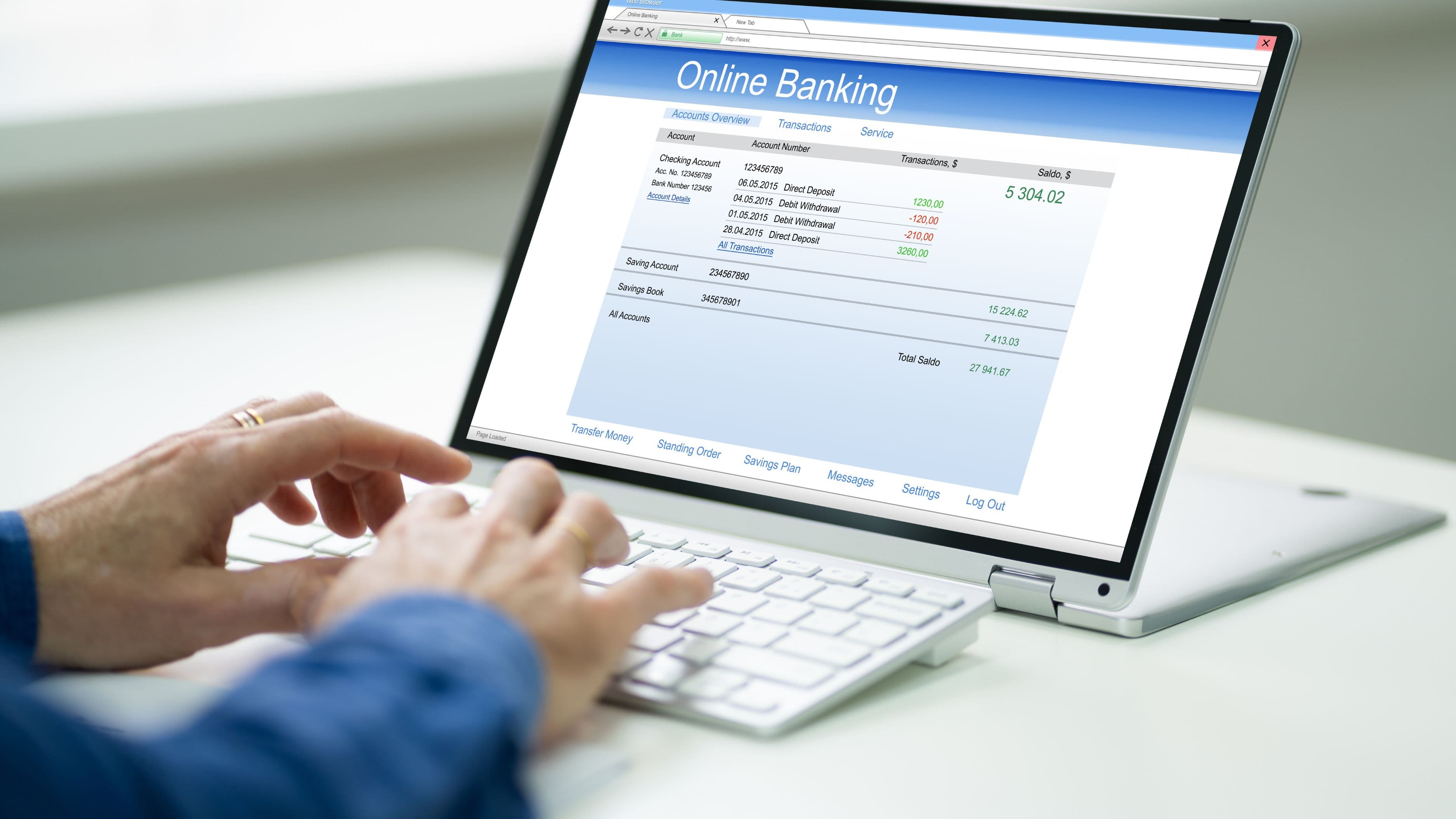
Most AI finance apps connect to your bank accounts through third-party financial data aggregators, companies like Plaid or Yodlee that specialize specifically in securely linking a huge range of financial institutions to third-party apps. When you connect your bank account to a budgeting app, you're typically authenticating through one of these aggregator services, which then provides your transaction data to the app you're actually using, rather than the app connecting directly to your bank's systems itself.
This matters because it means your financial data actually passes through multiple parties: your bank, the aggregator service, and the finance app itself, each of which has its own data handling practices, security standards, and privacy policies. Understanding this chain is useful context, since a privacy concern could theoretically arise at any of these three points, not just with the specific app you're directly interacting with.
What Happens to Your Data Once It's Collected
Once an app has your financial data, it typically uses that information in a few specific ways: powering the actual features you're using directly, like categorizing transactions or generating spending insights, and in many cases, training or improving the underlying AI models that power the app's features. This second use case is where things get more genuinely complex from a privacy standpoint, since data used for model training may be handled differently than data used purely for your own immediate app experience.
Some companies explicitly state in their privacy policies whether your data is used to train models that could indirectly benefit or affect other users, versus being used strictly for your own individual account's features. This distinction is worth actually looking for in a specific app's privacy policy, since it isn't always prominently advertised, and it represents a genuinely different privacy consideration than simply "does this company have my data."
What Privacy Actually Means in This Context
Privacy in AI finance apps isn't a single, binary concept – it involves several distinct questions worth considering separately. Data collection scope refers to exactly what information is being gathered: just transaction categories, or full transaction descriptions, account balances, and broader financial behavior patterns. Data sharing refers to whether your information is sold or shared with third parties beyond what's strictly necessary to provide the app's core function, which is a meaningfully different practice than simply using your data internally to power features you're actively using.
Data retention refers to how long your information is kept after you stop using the service, and whether you have a clear, accessible way to request deletion. Model training use, as mentioned above, refers specifically to whether your individual data contributes to training AI systems in ways that could persist or generalize beyond your own personal use of the app, which is a distinctly different privacy consideration than data simply being stored for your own account's ongoing function.
Relevant Regulations Worth Knowing
The Gramm-Leach-Bliley Act (GLBA) is the primary federal law governing how financial institutions, including many fintech companies, must handle and disclose their data privacy practices, requiring clear privacy notices and certain safeguards around customer financial information. This applies to many AI finance apps handling sensitive account data, though the specific scope of coverage can vary based on how a particular company is legally structured and regulated.
State-level privacy laws, including the California Consumer Privacy Act (CCPA) and similar laws in other states, provide additional rights around data access, deletion requests, and opt-outs from data sales, which apply to residents of those states regardless of where a specific company is headquartered. These laws have meaningfully shaped how many finance apps structure their privacy policies and user data controls, even for users outside the specific states where the laws originate, since companies often apply consistent policies across their full user base rather than maintaining state-specific versions.
Practical Steps to Protect Your Privacy
Read the specific sections of an app's privacy policy addressing data sharing and AI model training use before connecting your financial accounts, rather than assuming all finance apps handle this identically. This is genuinely worth the ten minutes it takes, given how much financial detail these apps have access to and how much practices can vary between specific companies.
Check whether an app offers granular permission controls, letting you limit exactly which accounts or types of transaction data are shared, rather than an all-or-nothing connection to your full financial profile. Apps offering more granular control generally reflect a more privacy-conscious design approach worth favoring when comparing similar tools.
Periodically review and disconnect apps you're no longer actively using from your linked financial accounts through your bank's own connected apps settings, since dormant connections to unused apps represent an ongoing, often forgotten privacy exposure that's easy to eliminate with minimal effort.
What to Avoid
Avoid connecting your full financial account access to an app purely based on convenience or a compelling feature demo without checking its actual privacy practices, particularly for apps from newer or less established companies without a clear, transparent privacy policy. It's also worth avoiding apps that make data sharing or model training opt-outs difficult to find or exercise, since a legitimately privacy-conscious company generally makes these controls straightforward and accessible rather than buried in dense legal text.
FAQ
Do all AI finance apps use my data to train their models? Not necessarily – this varies by company and is usually disclosed, though sometimes not prominently, in the app's privacy policy, making it worth specifically checking rather than assuming either way.
Is it safe to connect my bank account to a budgeting app through Plaid or similar services? These aggregator services use bank-level encryption and are widely used across the fintech industry, though it's still worth understanding that your data passes through this additional party, not just your bank and the app you're using directly.
Can I request that a finance app delete my data after I stop using it? Many apps are required to honor deletion requests under state privacy laws like the CCPA, though the specific process and timeline for this varies by company, making it worth checking the app's specific privacy policy or support resources for exact steps.
Does using an AI finance app put my data at more risk than a traditional finance app? Not inherently, though AI-powered apps introduce the additional consideration of whether your data contributes to model training, which is a distinct privacy question beyond the more familiar concerns around basic data storage and third-party sharing that apply to any finance app, AI-powered or not.
📚 Sources
California Attorney General – California Consumer Privacy Act (CCPA)
Consumer Financial Protection Bureau – Financial Data Rights and Open Banking