
What This Means for Your Money
A commonly cited rule of thumb suggests budgeting 1% to 4% of your home's purchase price annually for maintenance and repairs, though the right number for your specific home depends heavily on its age, size, climate, and how well previous owners maintained it. For a $350,000 home, that range translates to roughly $3,500 to $14,000 per year – a wide spread that reflects how much individual circumstances matter here. The point isn't to memorize a single number, but to understand which factors push your actual cost toward the lower or higher end of that range.
The Recurring Costs You Can Predict
Some maintenance costs are annual and fairly predictable, which makes them easier to budget for directly:
HVAC servicing typically runs a modest annual cost per unit for a seasonal tune-up, and skipping this tends to shorten the system's lifespan and increase the odds of a costlier mid-season breakdown.
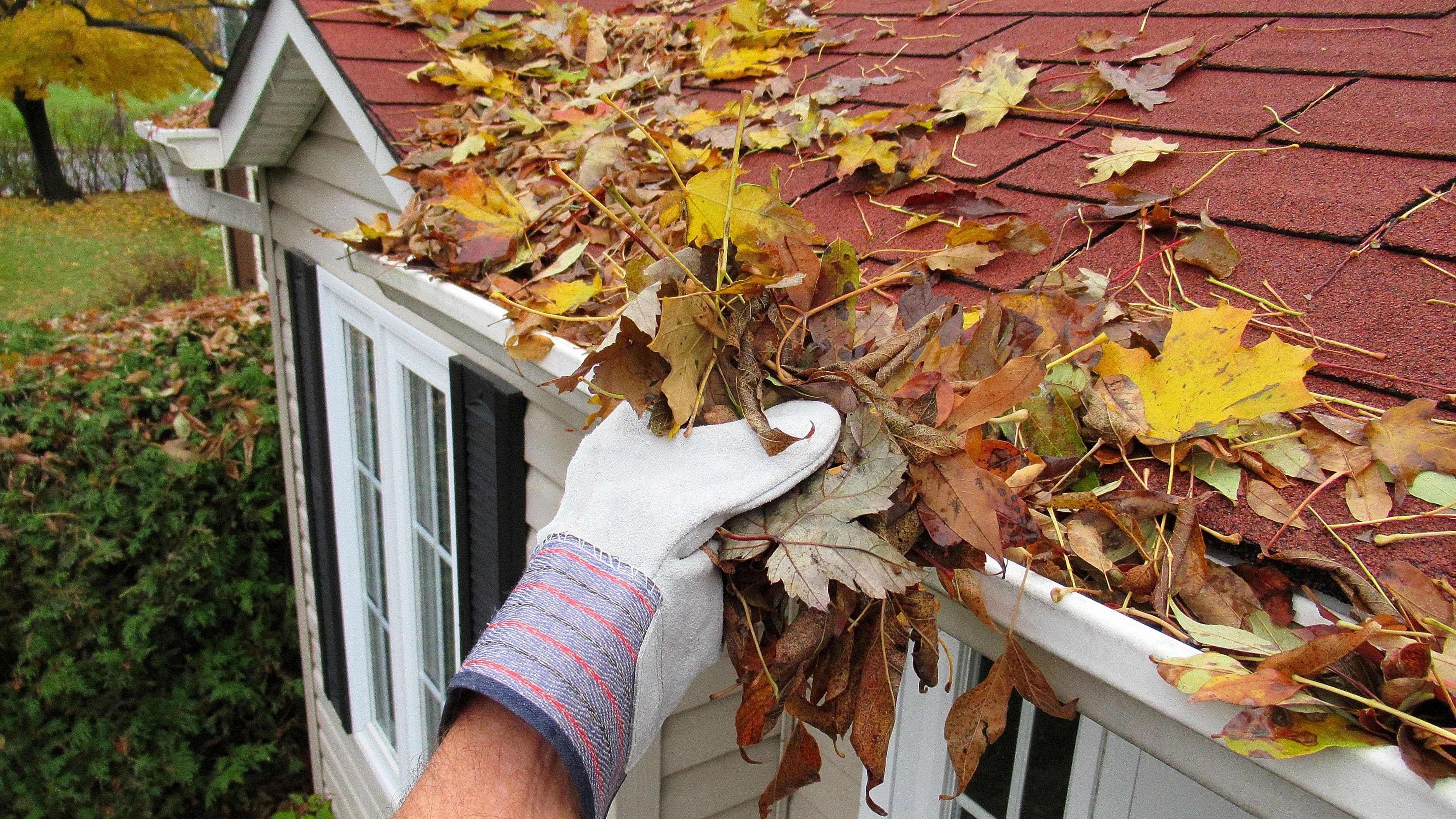
Gutter cleaning, usually needed once or twice a year depending on the number of trees near your home, prevents water damage that can turn into a much larger repair if ignored.
Lawn and landscaping upkeep, whether DIY or hired out, adds up meaningfully over a full year, particularly in climates requiring irrigation or extensive seasonal work.
Pest control, particularly in warmer climates, is often an annual or quarterly cost that's easy to forget when estimating a home's real yearly expense.
The Larger, Less Frequent Costs That Skew the Average
The wide range in that 1-4% estimate mostly comes down to big-ticket systems that don't fail every year, but cost significantly more when they do. A roof replacement, a water heater failure, or an HVAC system reaching the end of its lifespan can each cost several thousand dollars in a single event. These don't happen annually, but a realistic yearly maintenance budget should include a portion set aside specifically for this kind of eventual, larger expense – averaging the cost of a system's expected lifespan into a smaller annual set-aside amount is a more accurate way to plan than treating these as unexpected surprises.
How Home Age Changes the Math
A newly built home typically requires less maintenance spending in its first several years, since major systems (roof, HVAC, water heater, appliances) are new and under warranty. Homes over 20 to 30 years old, by contrast, are more likely to need multiple major system replacements within a shorter window, which is why older homes generally sit toward the higher end of that 1-4% range rather than the lower end.
How Climate and Location Affect Your Number
Homes in regions with harsh winters face higher costs related to snow removal, ice dam prevention, and heating system strain. Homes in humid or coastal climates often see accelerated wear on exterior paint, roofing, and outdoor structures, along with higher pest control needs. Homes in wildfire or hurricane-prone areas may carry additional costs tied to defensible landscaping or storm-resistant upgrades. None of these are optional line items if you live in the relevant climate – they're a predictable part of that region's true cost of homeownership.
Building a Realistic Maintenance Budget
Start with the 1-4% range based on your home's age – lean toward 1-2% for newer homes, 3-4% for homes over 25 years old
Open a dedicated home maintenance savings account separate from your general emergency fund, and contribute to it monthly rather than reacting to expenses as they arise
Track your actual spending for a full year once you own the home, since this gives you a far more accurate personal number than any general rule of thumb
Prioritize preventive maintenance over reactive repair – a bit spent annually on HVAC servicing or gutter cleaning is consistently less than the cost of the damage those tasks prevent
Set aside a larger, separate reserve for major systems approaching the end of their expected lifespan, rather than treating a predictable replacement as a surprise expense
What to Avoid
Don't budget only for the mortgage and taxes while ignoring maintenance entirely – this is one of the most common first-time homeowner mistakes, and it often leads to unplanned debt when a major repair hits. Avoid delaying small maintenance tasks like gutter cleaning or minor roof repairs, since these frequently turn into significantly more expensive problems when left unaddressed. And don't assume a home inspection at purchase eliminates future maintenance costs – it identifies current condition, not what will wear out over the years you own the home.
Key Takeaways
Maintenance isn't a rare cost – it's a predictable, recurring part of homeownership that deserves its own line item in your budget, separate from your mortgage payment. Using the 1-4% guideline as a starting point, adjusted for your home's age and climate, gives you a realistic target to plan around rather than being caught off guard. Building a dedicated savings habit for both routine upkeep and eventual major repairs is the most reliable way to keep an unexpected expense from becoming a financial setback.
FAQ
Is the 1-4% rule accurate for every type of home? It's a reasonable general guideline, but condos, townhomes, and homes with HOA-covered exterior maintenance may fall outside this range since some costs are shared or bundled into HOA fees instead of paid individually.
Should home maintenance savings be separate from my emergency fund? Many financial planners recommend keeping them separate, since dipping into your general emergency fund for predictable maintenance can leave you underprepared for a true financial emergency.
How much should I set aside specifically for a future roof or HVAC replacement? A reasonable approach is estimating the system's replacement cost, dividing it by its expected remaining lifespan in years, and setting aside that amount annually so the eventual cost doesn't arrive as a surprise.
📚 Sources
U.S. Department of Housing and Urban Development: Homeowner Resources
National Association of Realtors: Home Maintenance Cost Guidance
Consumer Financial Protection Bureau: Budgeting for Homeownership Costs