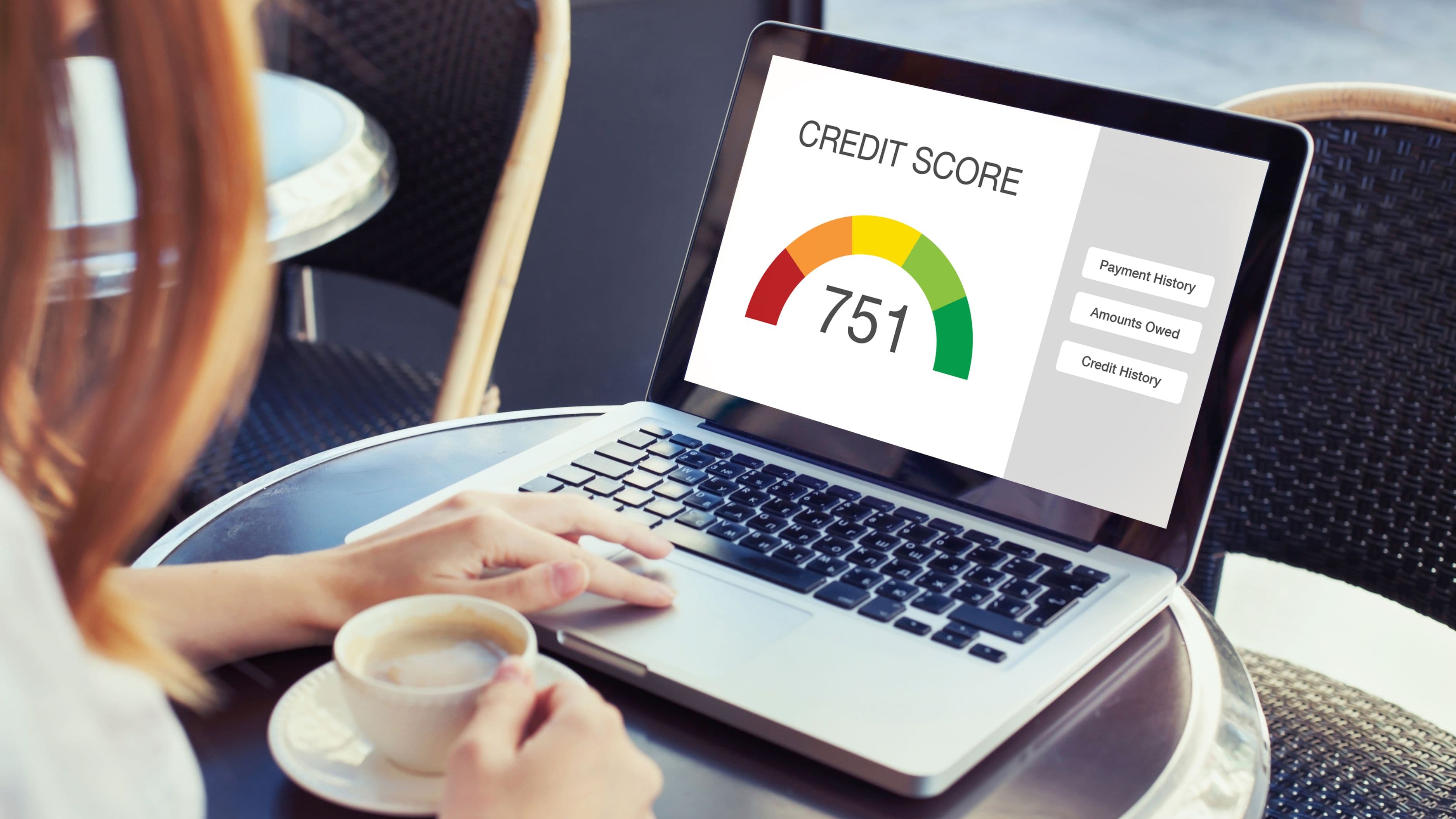



Whether you're 18 and just starting out, new to the US, or rebuilding after a period of financial disruption, here's exactly how to go from no credit score to a solid one – step by step.
Understand What a Credit Score Actually Measures
Before you start building, it helps to know what you're building toward. Your credit score – most commonly a FICO score ranging from 300 to 850 – is calculated from five factors. Payment history is the biggest one, making up 35% of your score. It simply answers: do you pay on time? Credit utilization (30%) measures how much of your available credit you're using. Length of credit history (15%), credit mix (10%), and new inquiries (10%) round out the rest.
When you have no credit at all, you're not starting at zero – you're starting as "unscorable," which is a different problem. You don't have a bad score; you have no score. Lenders can't assess you, which makes them cautious. Your first goal isn't to fix anything, it's to give the scoring system enough data to generate a score at all. That typically takes three to six months of activity on at least one open account.
Step 1: Open a Secured Credit Card
A secured credit card is the most reliable starting point for building credit from nothing. It works like a regular credit card with one key difference: you deposit money upfront – usually $200 to $500 – which becomes your credit limit. That deposit protects the lender, which is why they'll approve you even with no credit history.
Use it the same way you'd use a debit card: for small, regular purchases you'd be making anyway – groceries, gas, a streaming subscription. Then pay the full balance every month before the due date. This keeps your utilization low and builds a clean payment history simultaneously. Those two actions alone – low utilization and on-time payments – cover 65% of your credit score's weight.
When choosing a secured card, look for one with no annual fee (or a low one) and, importantly, one that reports to all three credit bureaus – Experian, Equifax, and TransUnion. Not all secured cards do this. If a card doesn't report to the bureaus, it doesn't build your credit at all, which defeats the entire purpose. The Discover it Secured and Capital One Platinum Secured are well-regarded options that both report to all three and offer a path to upgrading to an unsecured card after responsible use.
Step 2: Become an Authorized User on Someone Else's Account
If you have a family member or close friend with good credit and a long-standing credit card account, ask them to add you as an authorized user. When they do, that account's full history – the age of the account, the payment record, the credit limit – gets added to your credit profile. You don't even need to use the card yourself or have a physical card issued in your name. The credit history transfers regardless.
This strategy can give your score a meaningful early boost because credit age and payment history are weighted heavily. A parent's 10-year-old card with a perfect payment record appearing on your report does a lot of work. The main consideration is the relationship risk: if the primary cardholder misses a payment or runs up a high balance, that negative impact hits your report too. This works best when the primary account holder has strong, consistent credit habits and you trust them.
Step 3: Consider a Credit-Builder Loan
A credit-builder loan is designed specifically for people in your situation. It works differently from a traditional loan: the lender holds the loan amount in a savings account while you make fixed monthly payments. At the end of the loan term – typically 6 to 24 months – you receive the money. The whole point is the payment history it creates, not the cash.
Self (formerly Self Lender) is one of the most accessible options, letting you start with monthly payments as low as $25. Many credit unions also offer credit-builder loans with favorable terms. The advantage over a secured card is that it adds an installment account to your credit file, which contributes to credit mix and demonstrates you can manage a different type of credit product responsibly. Used alongside a secured card, it builds your profile faster and more broadly than either one alone.
Step 4: Get Credit for Bills You're Already Paying
One of the most underused credit-building tools is Experian Boost, a free service from Experian that lets you connect your bank account and get credit for on-time utility, phone, and streaming service payments – things you're paying anyway. It can add points to your Experian FICO score immediately and is particularly useful in the early months before your credit accounts have much history.
Rental payment reporting is another option worth knowing about. Rent is typically not factored into credit scores despite being most people's largest monthly obligation. Services like Rental Kharma and Rent Reporters can report your rental payment history to the credit bureaus (with your landlord's cooperation), which adds positive payment history to your file. Some landlords use platforms that include this as a built-in feature. If yours does, opt in – it costs you nothing and can meaningfully support your score.
Step 5: Keep Utilization Low and Payments Automatic
Once you have at least one credit account open, the two behaviors that matter most are straightforward: pay on time, every time, and keep your balances low relative to your credit limit. Credit utilization – the percentage of your available credit you're using – is best kept under 30% to avoid score penalties, and ideally under 10% if you want to maximize your score's growth. On a $500 secured card, that means carrying no more than $150 in charges at any point when the statement closes.
Set up autopay for at least the minimum payment on every account as a safety net. A single missed payment can damage a new credit profile significantly – far more than it would hurt an established one with years of positive history. You don't need to pay the minimum only; pay the full balance if you can. But autopay ensures that even in a busy or distracted month, you don't accidentally miss a due date and undo months of progress.
What to Avoid While You're Building
Opening too many accounts at once is a common mistake. Every credit application triggers a hard inquiry, which temporarily dips your score by a few points. More importantly, having multiple new accounts simultaneously lowers your average account age and can signal financial stress to lenders. Open accounts one at a time, use them well, and expand from there.
Closing accounts you've had a while is another misstep that seems counterintuitive. Closing an account lowers your total available credit (which raises your utilization ratio) and can also reduce your average credit age. Once an account is open and in good standing, keeping it open with occasional use is generally better for your score than closing it.
And avoid the temptation to carry a balance in the belief that it helps your credit. It doesn't. Paying interest to "build credit" is a myth. What builds credit is having an account, using it occasionally, and paying the balance in full and on time. The bank gets no extra reward for you paying interest, and your score gets no benefit.
How Long Does This Actually Take?
You can typically generate your first credit score within three to six months of opening your first account. A score in the good range (670+) is realistically achievable within 12 to 18 months of consistent, responsible behavior. Excellent credit (750+) takes longer – usually several years of sustained positive history across multiple account types.
What this means practically: within a year, most people who follow these steps can qualify for an unsecured credit card with better terms than their secured starter card, get approved for a car loan without a cosigner, and meet the basic credit thresholds most landlords require. Full financial flexibility – strong mortgage rates, premium rewards cards, best-in-class loan rates – takes a few years to reach. But you'll see real, tangible progress within the first six to twelve months.
Key Takeaways
Starting from no credit is a solvable problem, not a permanent disadvantage. The core moves are opening a secured credit card and using it lightly, paying every balance in full and on time, exploring authorized user status if you have the right relationship available, and supplementing with a credit-builder loan for installment account diversity. Services like Experian Boost add credit for bills you're already paying. The strategy isn't complicated – it just requires consistency over time. Build the habits now and your future self will have access to financial tools that save real money on loans, housing, and beyond.
FAQ
How long before I have a credit score at all? Most people generate their first FICO score after three to six months of activity on at least one open account that reports to the credit bureaus. Some scoring models, like VantageScore, can generate a score after just one month of reported activity.
Will checking my own credit score hurt it? No. Checking your own score is a soft inquiry and has no impact on your credit. You can check it as frequently as you want. Hard inquiries – from lenders pulling your credit when you apply for something – do cause a small, temporary dip.
Is a secured credit card the same as a prepaid card? No, and this distinction matters. A prepaid card is not a credit product and does nothing to build credit. A secured credit card is a real credit card with a deposit backing the limit. It reports to the credit bureaus and builds your credit history exactly the same way an unsecured card does.
Can I build credit without a credit card at all? Yes. Credit-builder loans, authorized user status, and services like Experian Boost and rental reporting all build credit without a traditional credit card. However, a secured credit card remains the fastest and most straightforward path for most people because of how broadly it builds payment history and utilization data.
What credit score do I need to rent an apartment? Most landlords look for a score of at least 620–650, though requirements vary. Some landlords in competitive rental markets prefer 700+. Many property managers will also consider income, rental history, and references alongside credit score, so a strong income or a co-signer can sometimes offset a thin credit file.
Does income affect my credit score? No. Your income is not a factor in your credit score calculation. It does affect your ability to qualify for credit products (lenders want to see you can repay), but the score itself is built purely from credit account behavior.
📚 Sources
Consumer Financial Protection Bureau – How to Build Credit: https://www.consumerfinance.gov/ask-cfpb/how-do-i-get-a-credit-score-en-1288/
myFICO – What's in My FICO Scores: https://www.myfico.com/credit-education/whats-in-your-credit-score
Experian – Experian Boost: Raise Your Credit Score Instantly: https://www.experian.com/consumer-products/score-boost.html
Federal Reserve Bank of Philadelphia – Credit-Builder Loans and Credit Outcomes: https://www.philadelphiafed.org/community-development/publications/cascade/2019/credit-builder-loans-helping-low-income-borrowers-build-credit
Capital One – Secured Credit Card Overview: https://www.capitalone.com/credit-cards/secured-mastercard/
Annual Credit Report – Free Credit Reports from All Three Bureaus: https://www.annualcreditreport.com/index.action