
What This Means for Your Money
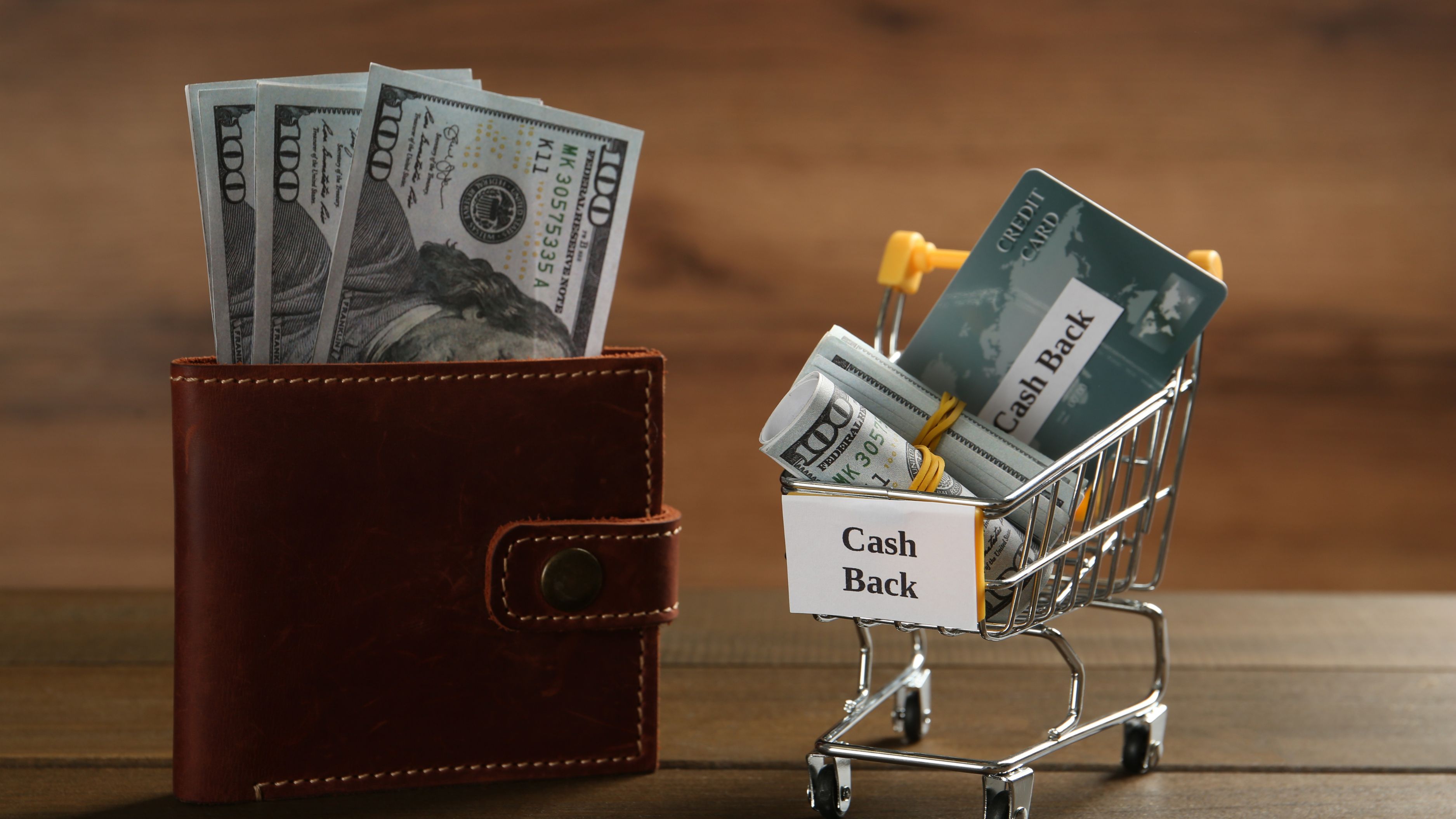
The core idea here is that cashback and rewards, done right, shouldn't require you to spend differently, only to route the exact same spending through tools that pay you back for it. If you're already buying groceries, paying utility bills, and filling your gas tank, the question isn't whether to spend on these things, it's whether the payment method or platform you're using is capturing any value back for you at all.
For many people, the honest answer is no, they're using a basic debit card or a no-rewards credit card for everyday spending, which means every purchase is generating zero return beyond the transaction itself. Fixing that gap, without changing a single purchasing habit, is where the real opportunity sits.
Step 1: Switch to a Flat-Rate Cashback Credit Card for Everyday Spending
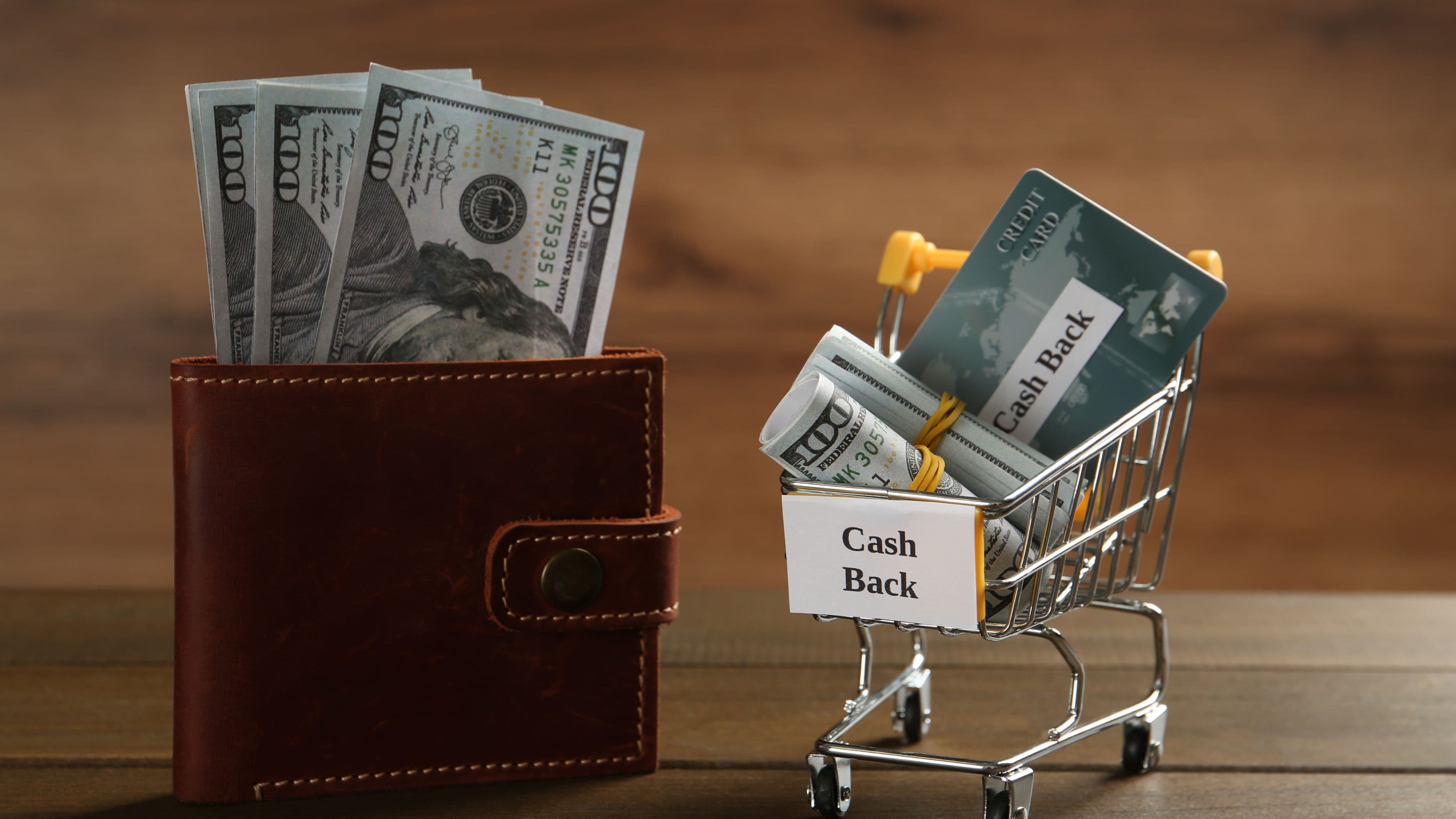
If you're currently using a debit card or a rewards card with no meaningful cashback, switching your everyday spending to a flat-rate cashback credit card, typically offering 1.5 to 2 percent back on all purchases with no category restrictions, captures value on every transaction without requiring you to think about which category a purchase falls into.
What this means for your money: on $2,000 of monthly spending already happening in your budget, a 2 percent flat-rate card generates roughly $40 a month, or close to $480 a year, purely from routing existing spending through a different payment method. This only makes sense if you're able to pay the balance in full each month, since carrying a balance and paying interest would erase any cashback benefit entirely.
Step 2: Install a Browser Cashback Extension for Online Shopping
Browser extensions like Rakuten or Honey automatically apply cashback offers and coupon codes at checkout on thousands of retailer websites, without requiring you to seek out deals manually or change which stores you shop at. What this means for your money: if you already shop online at major retailers, this captures cashback passively on purchases you were already planning to make, often stacking on top of the cashback you're already earning through your credit card.
Step 3: Link Your Existing Grocery Store Loyalty Programs
Most major grocery chains offer free loyalty programs that provide cashback or point-based rewards tied to your existing shopping habits, no store switching required. What this means for your money: if you're not currently linked to your regular grocery store's loyalty program, you're leaving value unclaimed on purchases you're making anyway, since these programs typically apply automatically once linked to your account or phone number at checkout.
Step 4: Use a Cashback Debit or Checking Account for Bill Payments
Several online banks and financial apps now offer checking accounts with built-in cashback on debit card purchases or bill payments, which matters for recurring expenses, utilities, subscriptions, insurance, that don't always fit neatly onto a credit card. What this means for your money: routing recurring bill payments through an account that offers even a modest 1 percent cashback captures ongoing value on expenses that are fixed and predictable regardless of the payment method you choose.
Step 5: Review Existing Subscriptions for Built-In Reward Programs
Some subscription services and memberships, particularly warehouse clubs and certain streaming bundles, include cashback or reward components you may already be paying for without realizing you're eligible to claim. What this means for your money: checking whether a membership you already hold includes an unclaimed cashback benefit can surface value you're currently leaving on the table entirely.
Realistic Expectations
None of these steps require earning more money, spending more money, or changing your actual purchasing habits. What they require is a modest amount of setup time, typically under an hour total across all five steps, to make sure your existing spending is routed through tools that pay something back. The combined value varies by household spending level, but for a typical budget, this approach commonly recovers several hundred dollars annually that would otherwise go completely uncaptured.
What to Avoid
Avoid chasing a rewards card with a high cashback percentage if it comes with an annual fee that outweighs the benefit for your actual spending level; the math only works in your favor if the rewards earned exceed the fee. Never carry a credit card balance to chase cashback, since credit card interest rates far exceed any cashback percentage, turning a rewards strategy into a net loss. Be cautious with browser extensions that require excessive account permissions or personal data access beyond what's needed for their basic function.
FAQ
Do cashback credit cards actually cost me anything if I pay in full each month? No, when used responsibly and paid in full monthly, a no-annual-fee cashback card generates pure additional value on spending you were already going to do, with no added cost.
Is it worth having multiple cashback cards for different categories? For most people prioritizing simplicity, a single flat-rate card capturing 1.5 to 2 percent on everything is easier to manage consistently than juggling several category-specific cards, even if the category cards occasionally offer higher individual rates.
Are browser cashback extensions safe to use? Reputable, well-known extensions like Rakuten are generally considered safe and widely used, though it's worth reviewing what data permissions any browser extension requests before installing it.
📚 Sources
Consumer Financial Protection Bureau, "Credit Card Rewards Programs" – consumerfinance.gov
NerdWallet, "Best Cashback Credit Cards" – nerdwallet.com