

The problem isn't a lack of options. It's that most people don't have a clear framework for evaluating them. Once you do, the choice becomes a lot simpler. Here's how to cut through the noise and find a tool that actually fits how you live and what you're trying to do with your money.
Start With One Problem, Not One App
The biggest mistake people make is searching for "the best AI finance app" as if there's one universal answer. There isn't, because these tools are built to solve different problems. Some are built for budgeting and spending awareness. Some focus on automated investing or portfolio tracking. Others specialize in debt payoff planning, subscription management, tax preparation, or cash flow forecasting for freelancers.
Picking the wrong category of tool – even a very good one – leaves you frustrated because it doesn't solve the problem you actually have.
Before you look at a single app, write down the one financial problem that's costing you the most stress or money right now. Is it that you don't know where your money goes each month? That you haven't started investing and don't know how? That you're carrying credit card debt and don't have a payoff plan? That you're self-employed and cash flow is unpredictable? Your answer tells you which category of tool to look at. Starting from the problem rather than the product eliminates most of the noise immediately.
Know the Main Categories of AI Finance Tools
Once you know your problem, matching it to the right tool category becomes straightforward. These are the main buckets worth knowing.
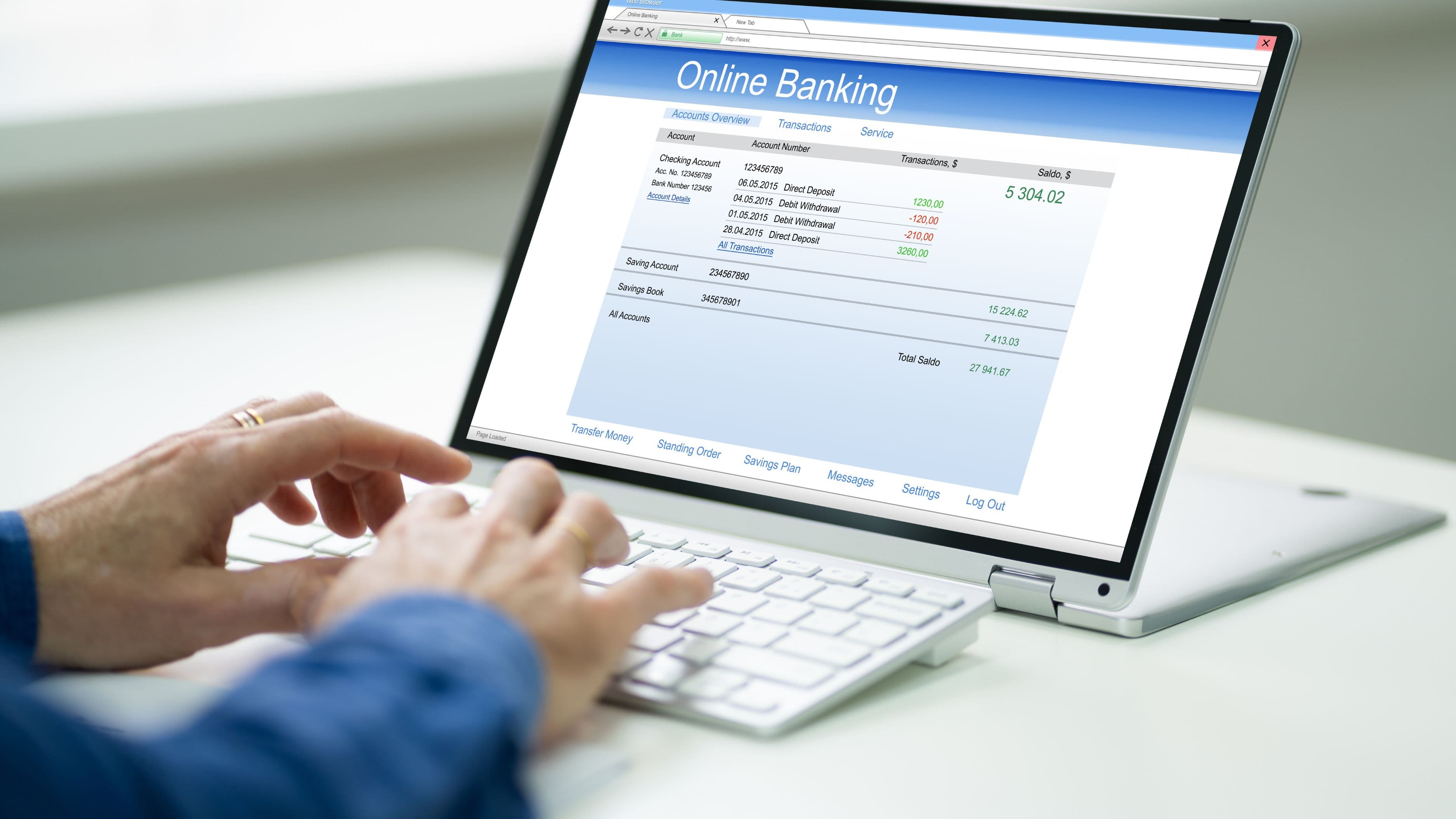
Budgeting and spending trackers connect to your bank accounts and categorize transactions automatically. They show you where your money is going, flag unusual spending, and often include goal-setting features. Tools like Monarch Money and Copilot Money fall here. These are best for people who feel like money just disappears and want visibility.
Automated investing tools (sometimes called robo-advisors) use algorithms to build and manage an investment portfolio based on your goals and risk tolerance. Betterment and Wealthfront are the most established examples. They're best for people who want to start investing without picking individual stocks or managing allocations themselves.
Debt and cash flow planners help you model payoff strategies, track what you owe, and optimize payment order to minimize interest. Undebt.it is a straightforward example. For freelancers and self-employed people, tools like Cushion or Monarch's cash flow features help smooth out irregular income and make sure bills are covered.
Net worth and portfolio trackers aggregate everything – bank accounts, investments, retirement accounts, property value, debt – into a single picture of your overall financial health. Empower (formerly Personal Capital) is the most widely used free option here.
AI-assisted financial research and planning tools represent a newer category. These use conversational interfaces to help you think through financial decisions, model scenarios, and get explanations of complex topics. They're more advisory than operational – they help you think, not automate. This category is growing quickly but also carries the most variability in accuracy and usefulness.
Ask These Four Questions Before Committing
Once you've identified the right category, narrow your options down to two or three and run each one through these questions.
Does it connect to your actual accounts? Most modern finance tools use Plaid or a similar aggregation service to connect securely to your bank. If a tool doesn't support your bank or requires you to manually enter transactions, the daily friction will kill your motivation to use it within a month. Check the supported institutions list before you invest time in setup.
What data does it collect and how is it used? This matters more for AI finance tools than for most other apps because financial data is sensitive. Look at the privacy policy for two things specifically: whether the company sells or shares your transaction data with third parties, and what happens to your data if you cancel. Some platforms use anonymized spending data for their own analytics products. That's not necessarily disqualifying, but you should know it's happening.
What does the free tier actually give you? A lot of these tools use a freemium model where the core features are free but the useful ones require a subscription. The relevant question isn't whether there's a free tier – it's whether the free tier is useful enough to evaluate whether the tool works for you. If the only way to see whether it solves your problem is to pay first, that's a higher-risk trial. Many solid tools offer meaningful free functionality: Empower is genuinely useful for free, Copilot offers a trial period, and Betterment's basic investing tier has no minimum balance requirement.
Is the AI doing something real, or is it mostly a label? "AI-powered" appears on a lot of financial app marketing right now, and it covers a wide range. Some tools use it to mean sophisticated transaction categorization that learns your habits. Others use it to mean a chatbot that can answer basic questions about your balance. Still others are genuinely using machine learning to model your financial trajectory and flag risks. The distinction matters because it affects how much you should trust what the tool tells you. Look for specifics: what does the AI actually do, concretely? If a company can't explain it plainly, that's a sign the "AI" framing is more marketing than capability.
A Note on Trusting AI With Financial Decisions
This is worth saying directly, because it gets glossed over in most app reviews. AI finance tools – even excellent ones – make mistakes. Transaction categorization is wrong frequently enough to need regular review. Scenario projections are based on assumptions that may not match your real life. Tax-related suggestions from automated tools should be verified by a human if the amounts are significant. Investment recommendations from a robo-advisor reflect the algorithm's model of your goals, not a nuanced understanding of your complete financial picture.
The tools that work best are ones that improve your visibility and inform your decisions – not ones that replace your judgment. Using an AI budgeting tool to understand your spending patterns is genuinely valuable. Using an AI investment tool to automate regular contributions into a diversified portfolio is genuinely valuable. Relying on an AI chatbot to make a major financial decision without verifying the information or talking to a professional is where things go wrong.
Think of AI finance tools the way you'd think of a good GPS. Useful for navigating, worth listening to most of the time, but you still need to notice when it's routing you into a lake.
How to Actually Test a New Tool
Don't try to evaluate an app purely by reading reviews. Most review sites rank tools by affiliate revenue, not quality, and ratings don't tll you whether a tool fits your specific situation. The only reliable way to know if something works for you is to use it with your actual data.
Most reputable tools offer a trial period or a free tier with enough functionality to test. Use it for two to four weeks with real accounts connected. At the end of that period, ask yourself three questions: Did it show me something about my money I didn't already know? Did using it change any actual behavior or decision? Was the friction of using it low enough that I'd realistically keep doing it? If the answer to two of those three is yes, it's worth keeping. If not, it's worth moving on – and that's fine. The goal is finding one tool that fits, not collecting a portfolio of apps that go unused.
Common Mistakes to Avoid
Trying to use multiple tools simultaneously is probably the most common way people end up overwhelmed and abandoning all of them. Pick one tool for your primary problem, use it long enough to form a habit, and only add a second tool if the first one genuinely doesn't cover a gap that matters. One app used consistently beats three apps used occasionally.
Treating the setup as the finish line is another trap. Connecting accounts and setting up categories feels productive, but it's just preparation. The value comes from actually reviewing what the tool shows you and adjusting your behavior or decisions as a result. Build a weekly habit of logging in, even for five minutes, to stay connected to what the data is telling you.
Finally, don't over-rely on automated categorization without spot-checking it regularly. Most tools categorize transactions based on merchant names and patterns, and they get it wrong more than they admit. A restaurant charge might be filed under "entertainment." A tax payment might get categorized as "fees." If your spending categories are inaccurate, every insight the tool offers is built on a flawed foundation. Spend five minutes a week cleaning up miscategorized transactions and your reports become genuinely meaningful.
Key Takeaways
Start with your problem, not the app store. Match the tool category to what you actually need – budgeting visibility, automated investing, debt planning, or net worth tracking. Before committing, verify that it supports your bank, understand how your data is used, assess whether the free tier is genuinely testable, and push past vague "AI" marketing to understand what the tool concretely does. Test with real data for a few weeks before deciding it works. Use one tool well rather than several tools poorly. And remember that these tools inform your decisions – they don't make them for you.
FAQ
Are AI finance apps safe to connect to my bank account? Reputable tools use read-only access through secure aggregators like Plaid, meaning they can see your transactions but can't move money. No tool should require your actual bank login credentials stored directly. Check that any tool you're considering uses tokenized, read-only bank connections and has a published security policy.
Do I need to pay for a good AI finance tool? Not necessarily. Empower (net worth and investment tracking), the free tier of Monarch Money, and Betterment's basic investing tier all provide genuine value at no cost. That said, some of the best budgeting tools – Copilot, YNAB – have subscription fees that are worth it if the tool changes your behavior meaningfully. Start with free options and only pay if you're actively using the features.
Can these tools help me with taxes? Some tools track deductible expenses and can export data useful for tax prep. Tools like QuickBooks Self-Employed and Keeper specifically target freelancers and self-employed people tracking business expenses. However, none of these tools replace a tax professional for anything complex, and their suggestions should be verified before you rely on them for filing decisions.
What's the difference between a robo-advisor and an AI budgeting app? A robo-advisor manages your investments – building a portfolio, rebalancing it, and reinvesting dividends automatically based on your goals. An AI budgeting app tracks your spending and helps you manage your cash flow. They solve different problems. Some platforms like Empower offer both, but most tools specialize in one or the other.
I'm not tech-savvy. Are these tools hard to set up? Most modern AI finance tools are designed for non-technical users, and setup typically takes 10–20 minutes. If you can log into your bank online, you can connect it to most of these tools. Copilot and Monarch Money are particularly well-regarded for clean, intuitive interfaces that don't require any financial knowledge to navigate.
📚 Sources
Consumer Financial Protection Bureau – Understanding Financial Apps and Data Sharing: https://www.consumerfinance.gov/about-us/blog/understanding-how-financial-apps-collect-and-use-your-data/
Plaid – How Plaid Works and Security Overview: https://plaid.com/how-it-works/
Betterment – How Betterment Invests Your Money: https://www.betterment.com/resources/how-betterment-works
Wealthfront – Investment Methodology Overview: https://www.wealthfront.com/methodology
Empower – Personal Finance Dashboard Overview: https://www.empower.com/personal-finance
NerdWallet – Best Budgeting Apps of 2025: https://www.nerdwallet.com/article/finance/best-budget-apps