What a Digital Wallet Actually Is
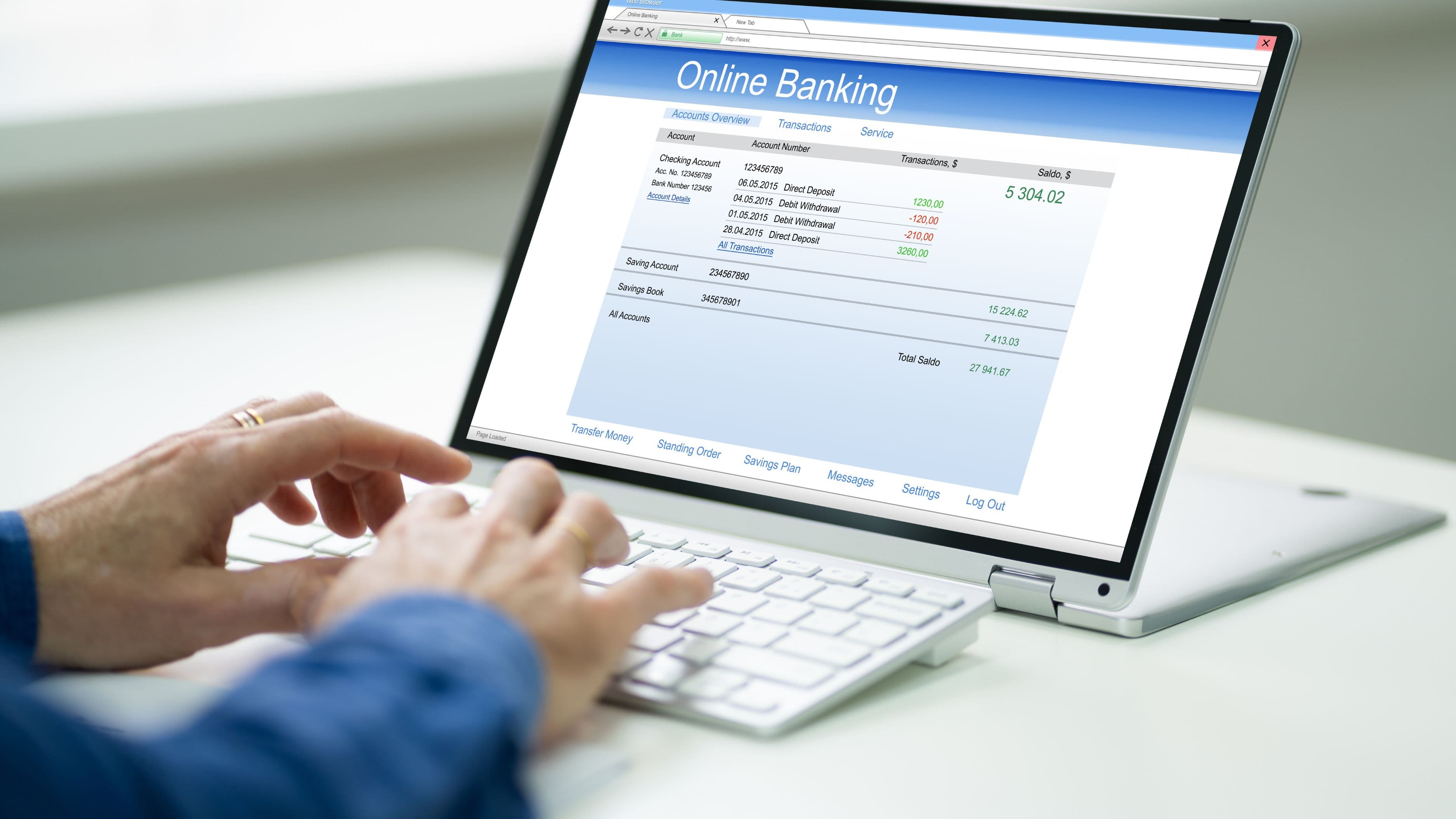
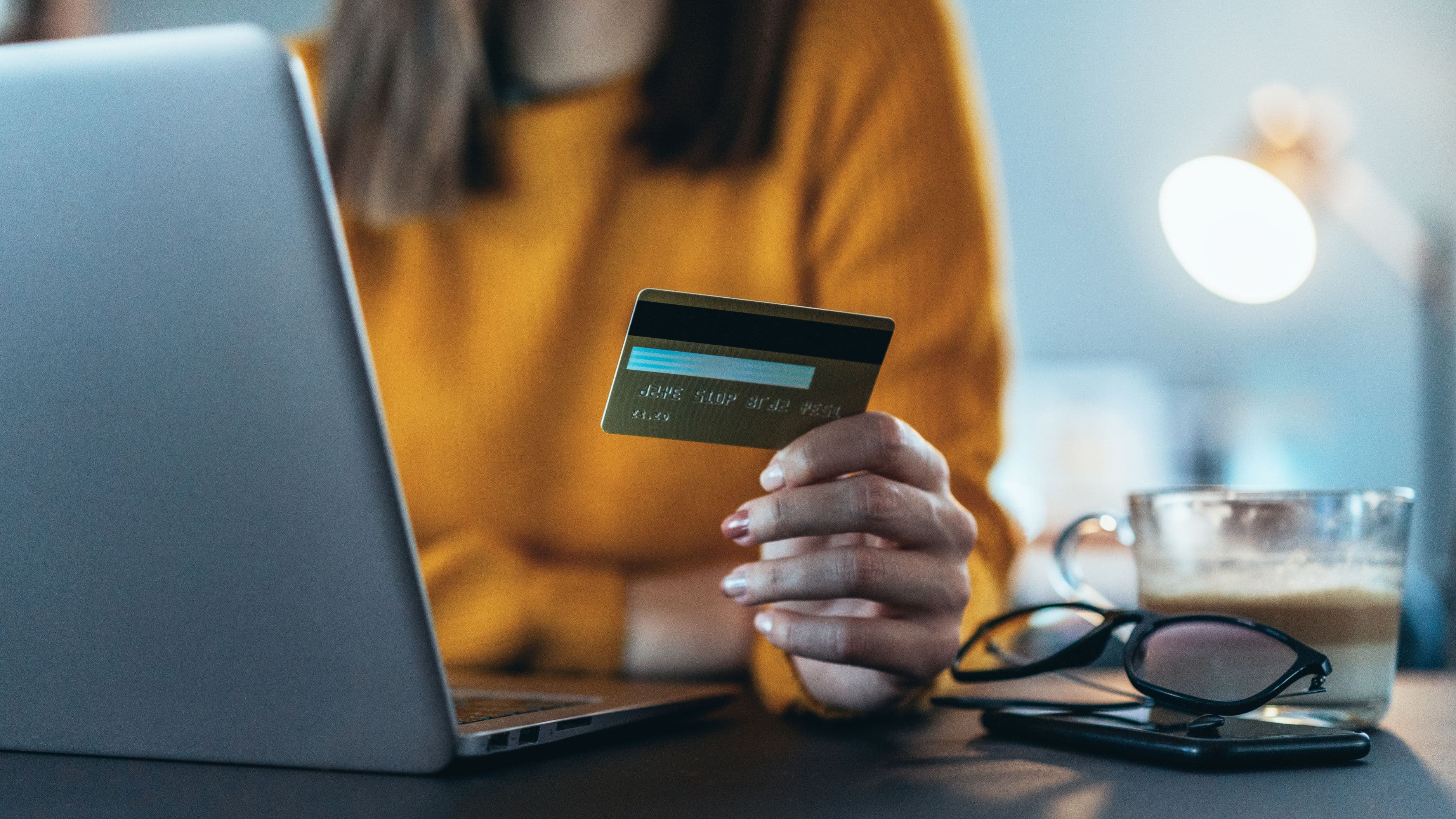
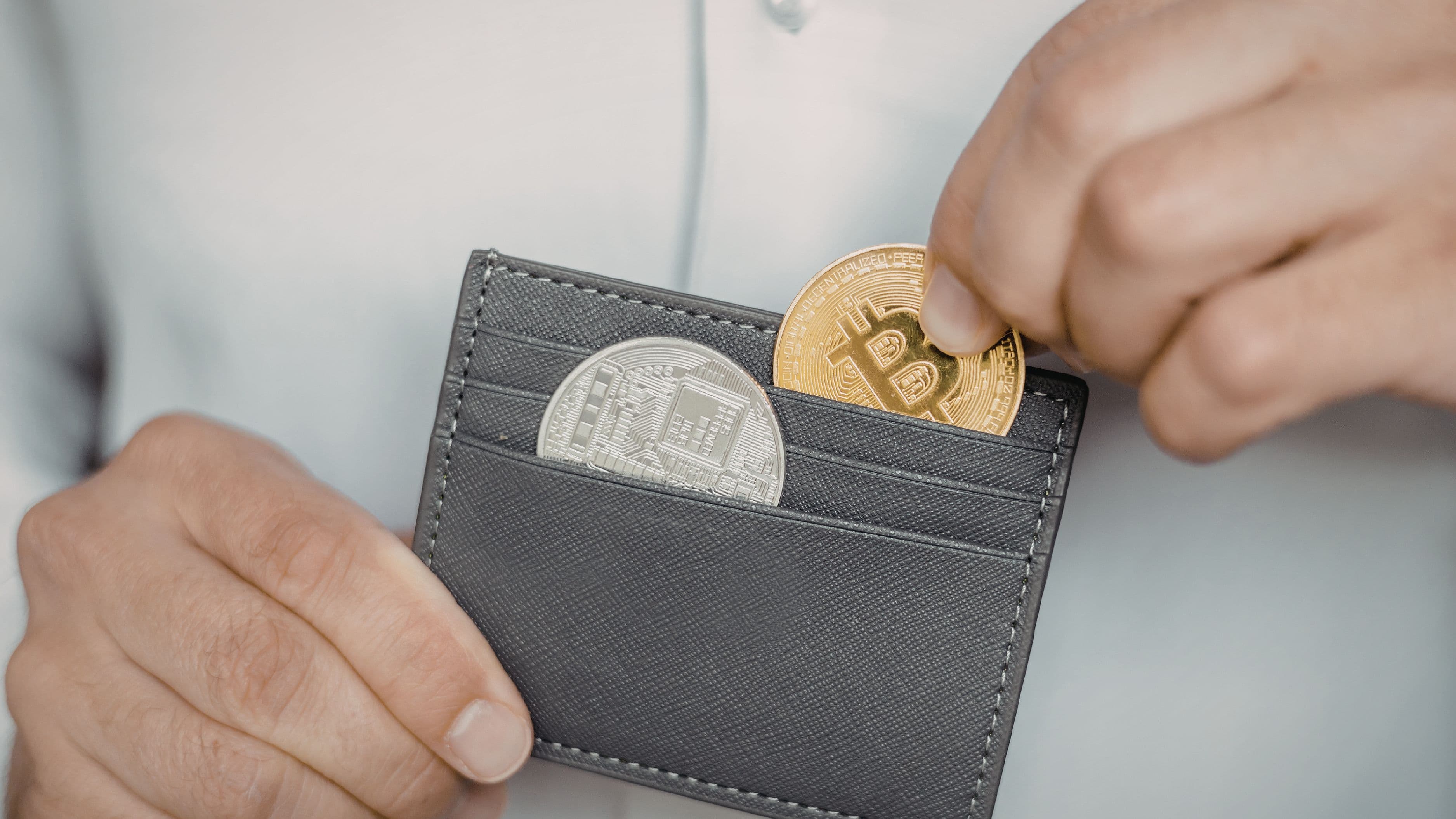
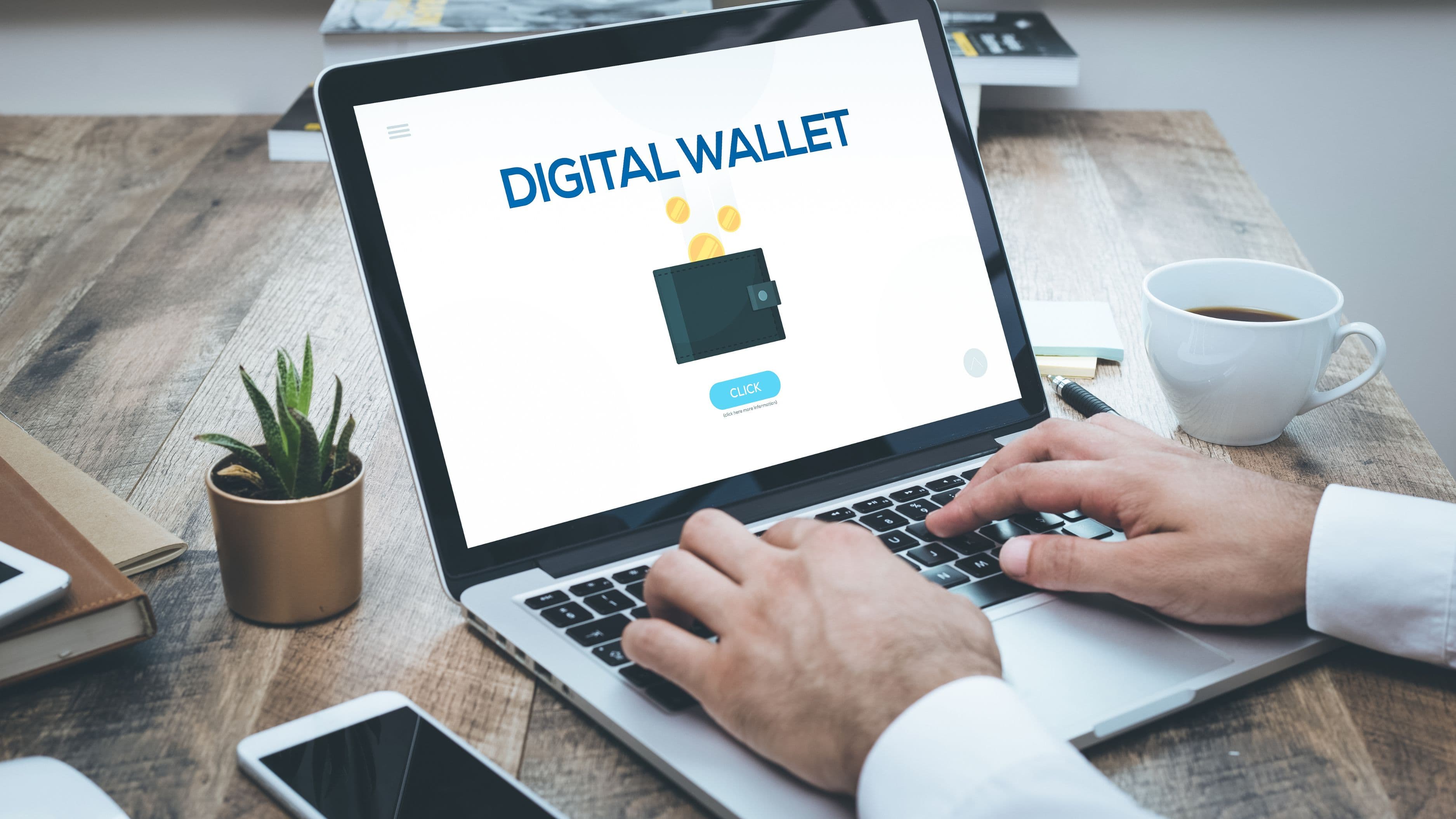
A digital wallet is an app or platform that stores your payment information, like debit and credit cards, bank account details, and sometimes loyalty cards or IDs, securely on your phone or another device, letting you pay for things without physically handing over a card. Apple Pay, Google Wallet, PayPal, and similar services all fall under this category, and most work by using tokenization, a process that replaces your actual card number with a unique digital code for each transaction, so your real card details are never directly shared with the merchant.
What this means for your money is twofold: convenience, since you can pay quickly without carrying physical cards, and a meaningful security upgrade, since tokenization means a data breach at a retailer doesn't expose your actual card number the way a traditional swipe or magnetic stripe transaction might.
How AI Features Are Changing What Wallets Can Do
Smarter Fraud Detection in Real Time
Traditional fraud detection often relied on simple rule-based systems, flagging a transaction only if it matched an obvious pattern like an unusually large purchase in a new country. AI-powered fraud detection in modern digital wallets analyzes a much wider range of signals, including your typical spending patterns, transaction timing, device behavior, and location data, to flag suspicious activity with far more nuance and speed. In practical terms, this means a wallet can catch a fraudulent transaction and freeze it within seconds, often before you'd even notice the charge yourself, rather than waiting for a monthly statement review to catch the problem.
Personalized Spending Insights
Many digital wallets now use AI to analyze your spending history and surface patterns you might not notice on your own, like a subscription service you're still paying for but haven't used in months, or a category of spending that's crept up significantly compared to previous months. This matters for your money because these insights turn a passive record of transactions into something more actionable, nudging you toward decisions you might otherwise put off simply because the information wasn't visible in a clear, digestible way.
Predictive Budgeting Alerts
Some wallets now use AI to predict upcoming cash flow issues based on your recurring bills, income patterns, and current balance, warning you in advance if you're likely to run short before your next paycheck. Rather than waiting for an overdraft to happen and then charging a fee, this kind of predictive alert gives you a chance to adjust spending or transfer funds proactively. This is a meaningful shift from reactive banking tools toward something closer to a financial early warning system built directly into a tool you're already using daily.
Smarter Authentication
AI-driven biometric authentication, like facial recognition or behavioral pattern analysis that learns how you typically hold and use your phone, adds a layer of security beyond a simple PIN or password. This means wallets can more reliably distinguish between you and someone who's stolen your device, without requiring you to enter a complicated password every time you want to make a payment.
Real-World Example
Picture someone who travels frequently for work and typically makes several small purchases in familiar cities. If their card suddenly gets used for a large purchase in an unfamiliar country while their phone's location data shows they're still at home, an AI-driven fraud system can catch that mismatch immediately and block the transaction, sending a real-time alert asking them to confirm or deny it. A rule-based system without this contextual awareness might have either missed the fraud entirely or, just as frustratingly, blocked a legitimate purchase made during an actual trip simply because it fell outside a rigid spending threshold.
Benefits Worth Understanding
The clearest benefit of AI-enhanced digital wallets is speed and accuracy in fraud prevention, catching problems in real time rather than after the fact. There's also a genuine convenience benefit in the spending insights and predictive alerts, which can help people avoid fees and make more informed decisions without requiring them to manually track every transaction themselves. For anyone managing a busy financial life across multiple accounts and subscriptions, these features effectively add a layer of oversight that would otherwise require significant manual effort to replicate.
Limitations and Risks Worth Knowing
AI fraud detection isn't perfect, and false positives still happen, meaning a legitimate transaction can occasionally get flagged or temporarily blocked, which can be frustrating in the moment even though it reflects the system erring on the side of caution. There's also a data privacy consideration worth understanding: these AI features function by analyzing significant amounts of personal spending and behavioral data, so it's worth reviewing a wallet provider's privacy policy to understand exactly what data is being collected and how it's used or shared. Additionally, predictive budgeting features are only as good as the data they're working from, so irregular income or unusual spending months can sometimes produce alerts that don't quite match your actual financial situation.
What This Means for Your Money Going Forward
As AI features continue to develop within digital wallets, the practical impact for most users will likely be less about flashy new capabilities and more about quieter, more reliable protection and slightly smarter nudges toward better financial decisions. The core value proposition remains the same as it's always been: reduce friction in payments and improve security, but the AI layer is making the "smarter" part of that promise increasingly real rather than just marketing language.
FAQ
Are digital wallets safer than using a physical credit card? In many respects yes, largely due to tokenization, which means your actual card number is never directly exposed to the merchant during a transaction, unlike a physical card swipe or manual entry.
Do I need to do anything to enable the AI features in my digital wallet? Most of these features run automatically in the background as part of the app's standard fraud detection and insights systems, though some, like predictive budgeting alerts, may need to be enabled in the app's settings.
Can AI in a digital wallet actually prevent identity theft? It significantly reduces certain risks, particularly around payment fraud, but it isn't a complete substitute for broader identity theft protection, since digital wallets primarily focus on transaction-level security rather than protecting all forms of personal information.
📚 Sources
Federal Trade Commission – "Digital Wallets and Mobile Payments." https://consumer.ftc.gov/articles/protect-yourself-mobile-payment-apps
Consumer Financial Protection Bureau – "How Digital Wallets Work." https://www.consumerfinance.gov/consumer-tools/fraud/
National Institute of Standards and Technology – "Digital Identity Guidelines." https://www.nist.gov/identity-access-management