


What Embedded Finance Actually Means
Embedded finance refers to financial services – payments, lending, insurance, banking features – being built directly into non-financial apps and platforms, rather than requiring you to go through a separate bank or financial institution. Instead of leaving a shopping app to apply for a loan through a bank, you might be offered a payment plan directly at checkout, powered by a financial technology partner working behind the scenes that you may never directly interact with by name.
This matters because it changes where financial decisions actually happen. Rather than proactively seeking out a financial product, you're increasingly offered one in the exact moment you need it, embedded directly into whatever you're already doing.
What This Means for Your Money in Practice
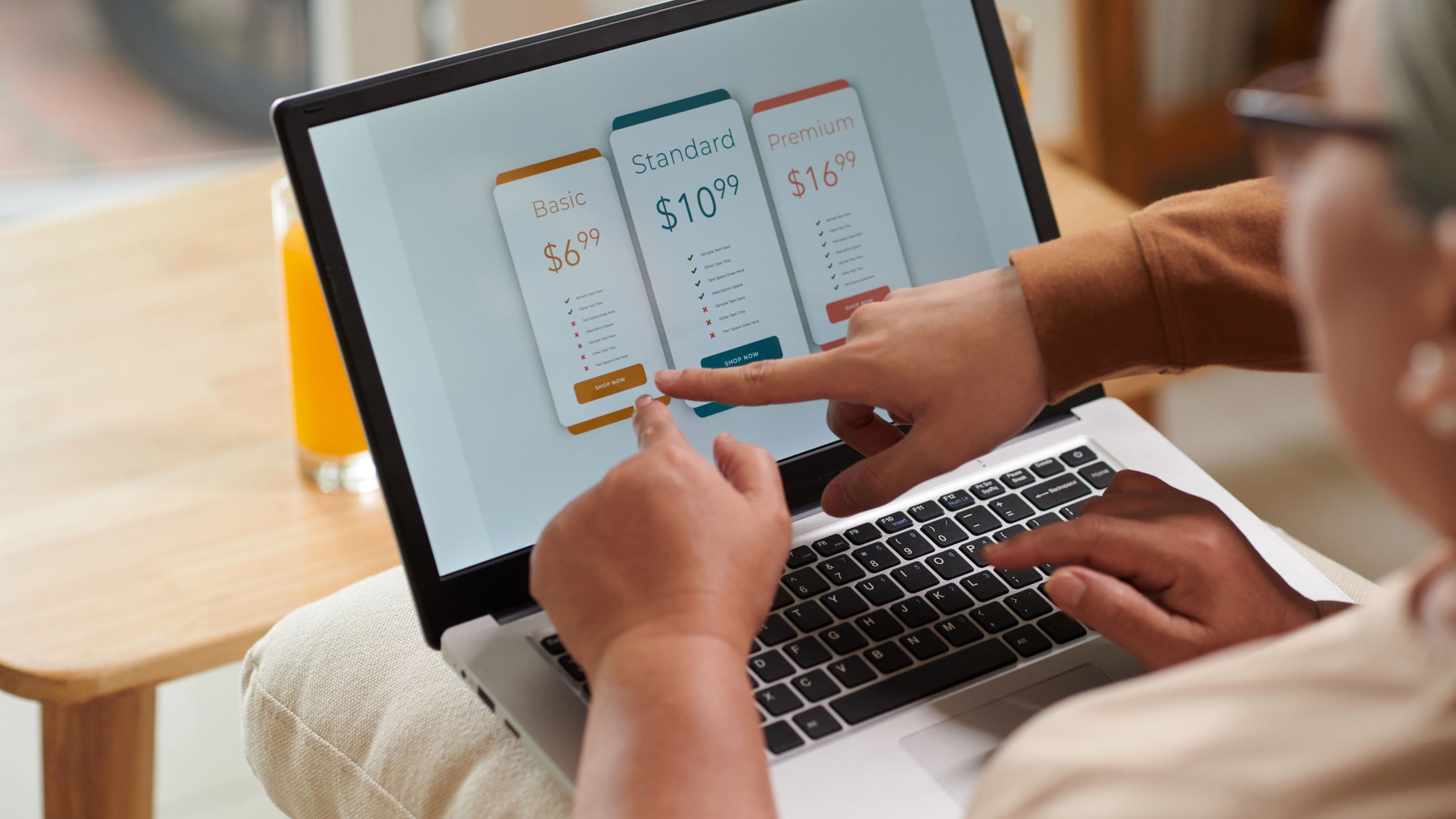
The most visible example most people have encountered is buy now, pay later financing at online checkout, where a retailer's app offers to split your purchase into installments through a partner company, without you needing a separate loan application or credit card. Similarly, some ridesharing and delivery apps now offer built-in debit cards or instant pay options for their drivers, letting them access earnings faster than a traditional weekly payroll cycle, powered by an embedded banking partner rather than the app company itself becoming a bank.
Retail and subscription apps increasingly offer built-in savings or "round-up" features, where your purchases automatically round up to the nearest dollar and the difference gets set aside, all without leaving the app you're already using for something else entirely.
Why This Is Growing So Quickly
For businesses, embedding financial services directly into their existing app removes friction at exactly the point where a customer might otherwise abandon a purchase or a task, which translates into real revenue for the company offering it. For the financial technology companies powering these features behind the scenes, embedded finance offers a way to reach customers through platforms with far larger existing user bases than a financial company could realistically build on its own.
This combination – less friction for the platform, new revenue and customer access for financial technology partners – is what's driving embedded finance into an increasing number of everyday apps rather than remaining a niche banking concept.
The Real Benefits Worth Understanding
Convenience is the most obvious benefit, and it's genuine – accessing a payment plan, an instant transfer, or a savings feature without leaving an app you're already using removes real friction from everyday financial tasks. For some users, embedded lending options like buy now, pay later can also offer more transparent, fixed-payment terms compared to revolving credit card debt, provided the terms are actually read and understood before committing.
The Risks and Trade-Offs Worth Understanding Equally
The convenience of embedded finance can also make it easier to take on financial commitments without the same deliberate pause that applying for a traditional loan or credit product usually involves. Buy now, pay later options in particular have drawn scrutiny for how easy they make it to accumulate multiple simultaneous payment plans across different retailers, without a single unified view of your total obligations the way a traditional credit report might provide.
It's also worth understanding that the financial technology partner actually powering an embedded feature may not be immediately obvious from the app's branding, which can make it harder to research the actual terms, fees, or reputation of the company you're really doing business with behind the scenes. Reading the specific terms of any embedded financial product – interest rates, late fees, and how missed payments are reported – matters just as much here as it would with any traditional financial product, even though the experience feels more casual and integrated.
Practical Takeaways
Before using an embedded buy now, pay later option, check the specific fee structure and what happens if you miss a payment, since terms vary meaningfully between providers even when the checkout experience looks similar across different retailers. Keep a running mental tally, or better, an actual written one, of any active installment plans you're carrying across different apps, since these don't typically show up together on a single credit report the way traditional debt often does.
If an app offers an embedded savings or round-up feature, verify where that money is actually held and whether it earns any interest, since these features vary significantly in what they actually offer beyond the basic mechanic of automatically setting money aside. Treat any embedded lending offer with the same scrutiny you'd apply to a traditional loan, even though the application process feels dramatically simpler and faster than what you might be used to.
What This Doesn't Guarantee
Embedded finance features don't guarantee better rates, better terms, or better outcomes than traditional financial products just because they're more convenient – convenience and value are two separate things, and it's worth evaluating both independently rather than assuming a frictionless experience automatically means a good deal.
FAQ
Is embedded finance safe to use? Reputable embedded finance partners are generally regulated similarly to traditional financial companies, but it's still worth researching the specific partner company powering a feature before committing to significant financial terms.
Does using buy now, pay later affect my credit score? It depends on the specific provider – some report to credit bureaus and some don't, and missed payments can have different consequences depending on the company's specific policies, so check this directly before assuming it works like a traditional credit product.
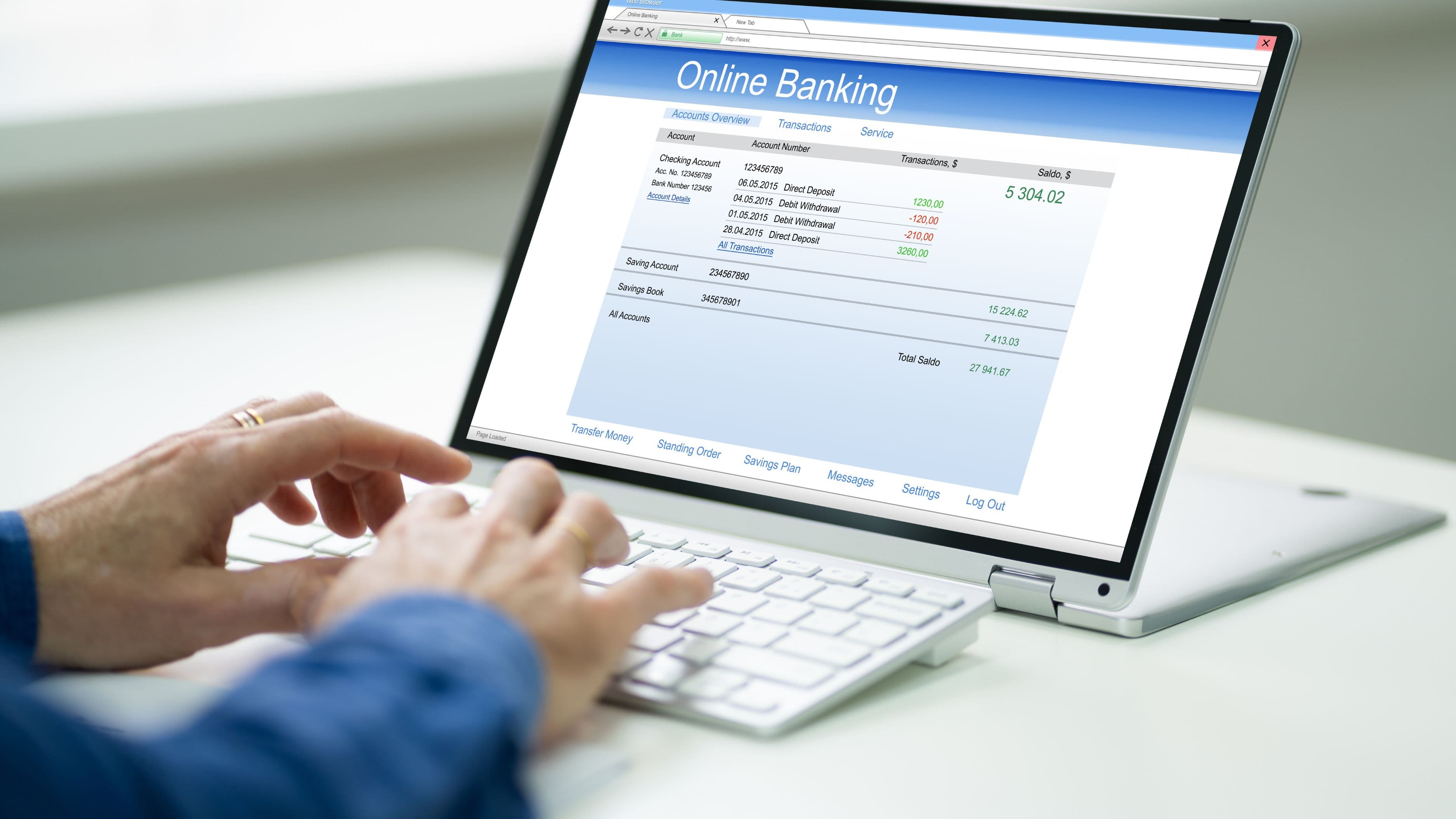
How can I tell if an app is using embedded finance? Look for financial features – payment plans, instant transfers, in-app banking, or savings tools – built directly into an app that isn't itself a bank; the actual company powering the feature is often disclosed in the terms or a "powered by" note near the offer.
Embedded finance is quietly reshaping how money moves through everyday apps by making financial decisions faster and more convenient – but that same convenience means it's worth being just as deliberate about terms, fees, and total obligations as you would with any traditional financial product.
📚 Sources
Consumer Financial Protection Bureau: Buy Now, Pay Later Report – https://www.consumerfinance.gov/data-research/research-reports/buy-now-pay-later-market-trends/
Federal Reserve: Fintech and Embedded Finance Trends – https://www.federalreserve.gov/publications.htm
FDIC: Consumer Protection in Digital Financial Services – https://www.fdic.gov/consumer-resource-center