
Without one, a car repair, a medical bill, or a few weeks of unexpected unemployment doesn't just cause stress – it forces you into debt, derails your savings progress, and can take months or years to fully recover from. With one, the same events become annoying inconveniences rather than financial crises. That gap is significant, and it's worth understanding clearly.
What an Emergency Fund Actually Is
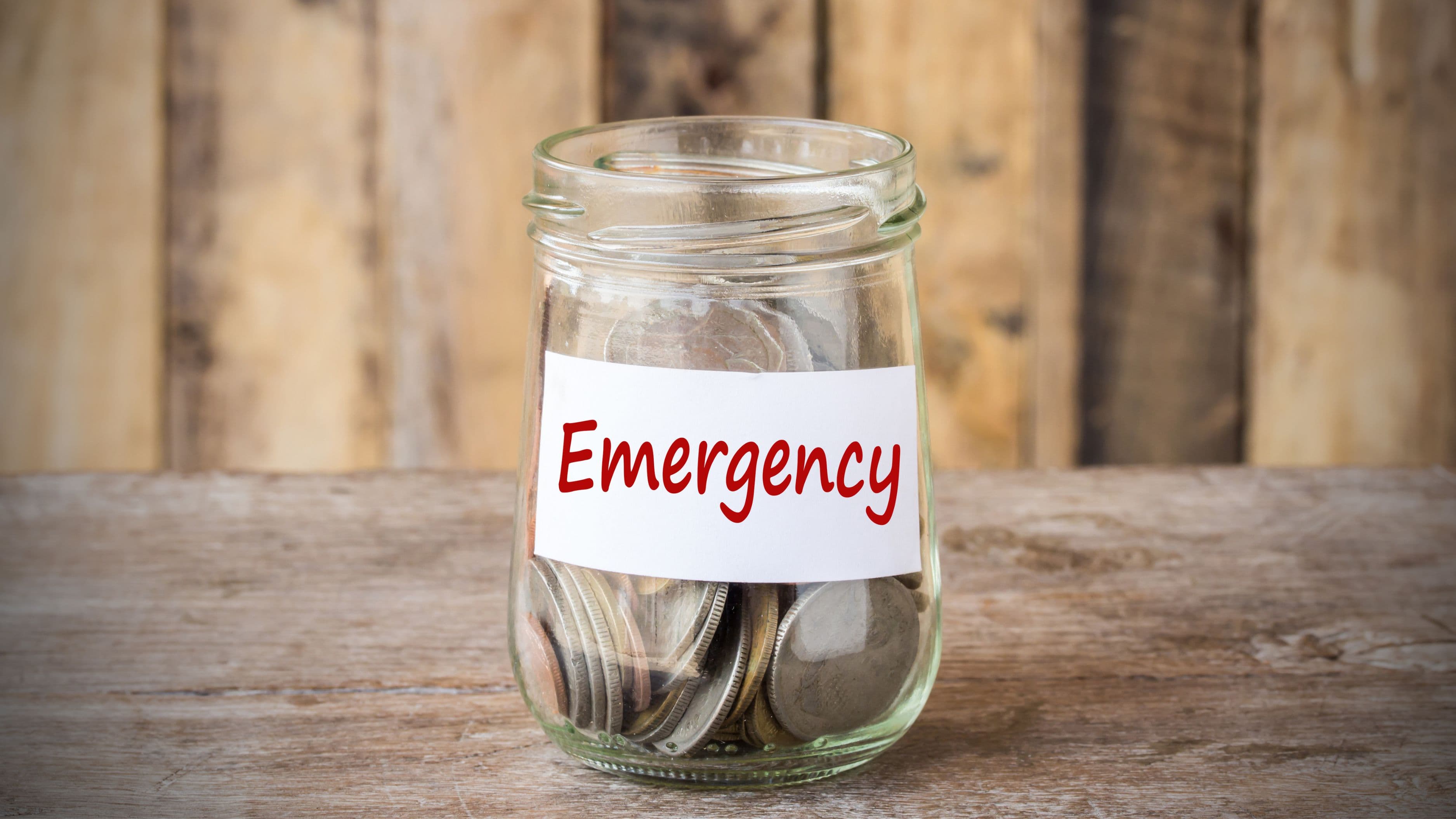
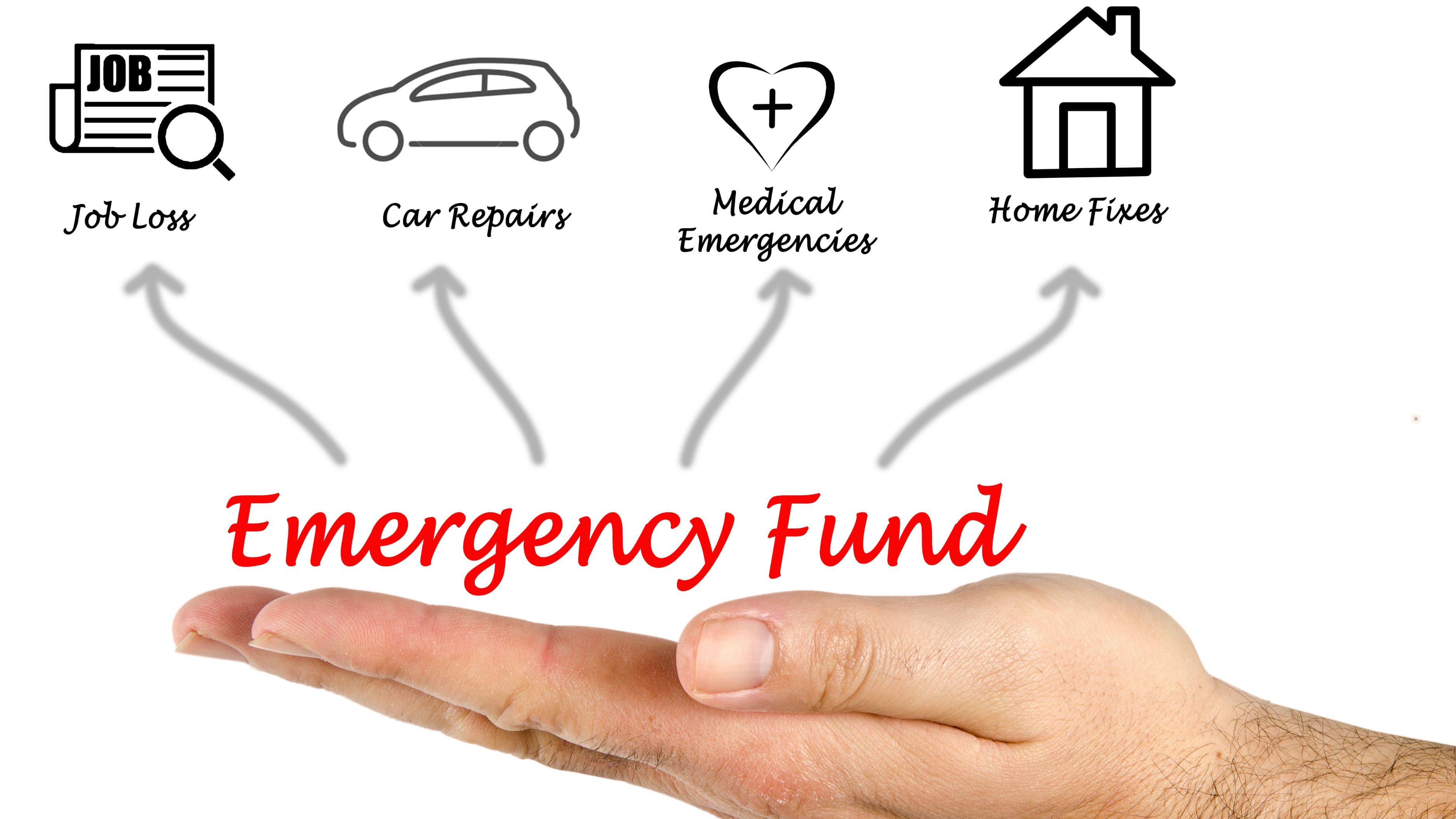
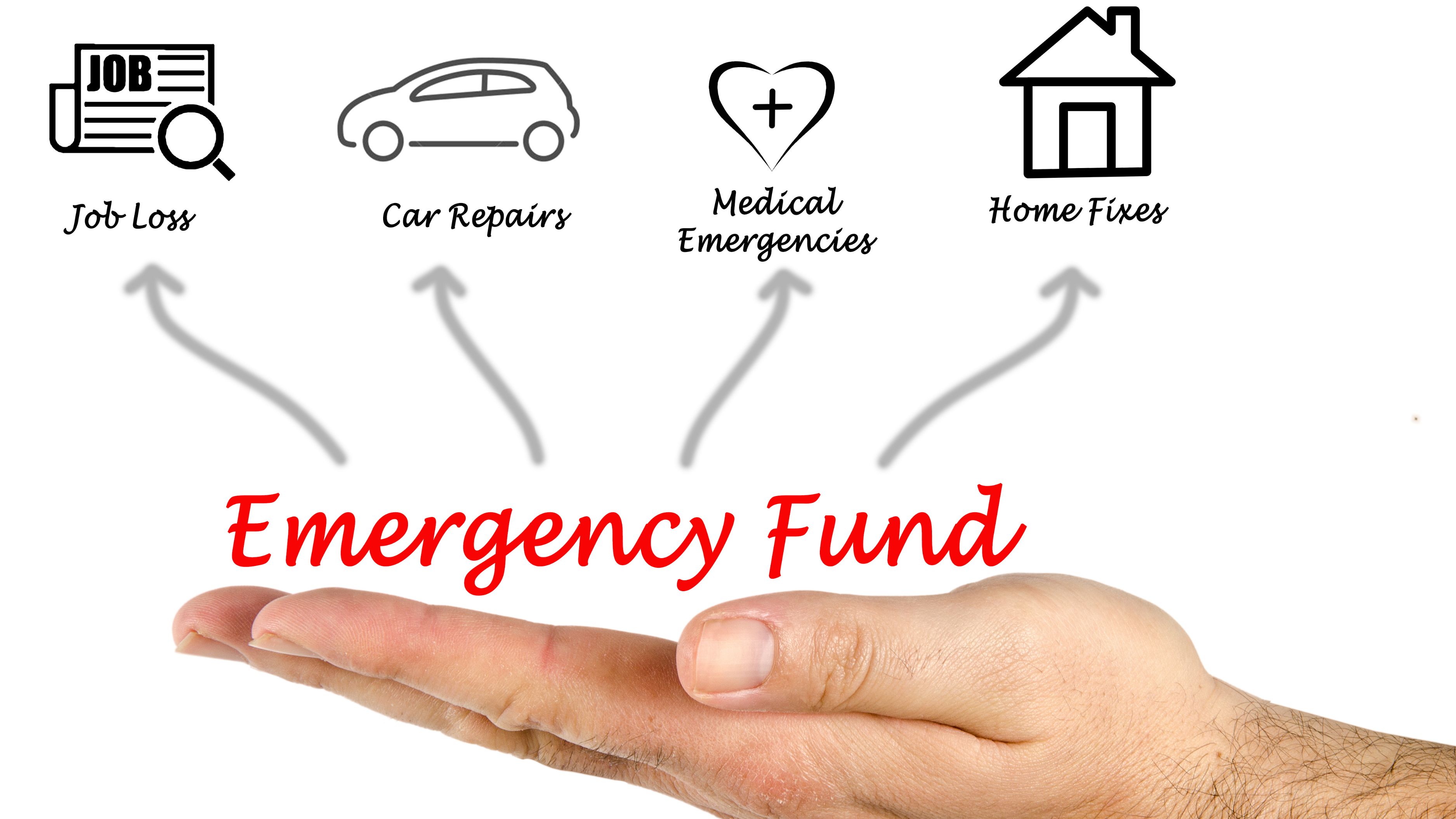
An emergency fund is a dedicated pool of cash saved specifically to cover unexpected or unavoidable expenses – not for planned purchases, not for vacations, not for investment opportunities. The money sits in a liquid, accessible account and gets used only when something genuinely urgent and unplanned arises. Job loss, a medical emergency, a sudden car or home repair, an unexpected travel expense for a family situation – these are the kinds of events it's designed for.
The "dedicated" part matters as much as the "how much" part. Money that lives in your general checking account, mixed in with your regular spending money, doesn't function as an emergency fund in practice. When money isn't clearly mentally and physically separated, it tends to get used on things that don't qualify as genuine emergencies. A high-yield savings account that you label specifically as your emergency fund – and that isn't connected to your debit card for day-to-day spending – creates the right kind of friction that keeps the money intact until you actually need it.
Why the "Three to Six Months" Rule Exists
You've probably heard the standard advice: keep three to six months of expenses in your emergency fund. This range has been the default recommendation from financial planners for decades, and it holds up well – but it's worth understanding where it comes from so you can calibrate it to your actual situation.
The logic is straightforward. The most financially damaging emergency most people face is job loss. If you lose your income unexpectedly, you need enough time to find new employment without being forced to take on debt, sell investments at the wrong time, or make desperate decisions. Three months is the minimum runway for someone in a stable industry with marketable skills in a strong job market. Six months covers the same person in a weaker environment or someone in a more specialized field where finding work takes longer.
The expense figure used in this calculation should be your actual monthly spending – rent or mortgage, utilities, groceries, minimum debt payments, insurance, transportation – not your income. Expenses tend to be lower than income for most working people, which means the dollar amount you need to save is often more achievable than it first sounds.
How Much You Actually Need: It Depends on Your Situation
The three-to-six-month range is a useful starting point, but the right number for you is more personal than that general guidance implies. Several factors move the target higher or lower.
Job stability and income type are the biggest variables. A salaried employee at a large company with strong demand for their skills, a solid employment history, and a working spouse or partner has more natural resilience than a freelancer or contractor with variable income, no employer-provided benefits, and a single income in the household. If your income is unpredictable or you're self-employed, the lower end of the range isn't adequate – six months is a more appropriate floor, and some financial planners recommend up to twelve months for people with highly variable income.
Dependents and obligations shift the calculus too. A single person with no children and low fixed expenses has a different risk profile than someone supporting a family with a mortgage, school-age children, and aging parents who may need financial support. More financial obligations mean more potential emergencies and less flexibility to absorb shocks without consequences.
Health considerations matter more than most emergency fund discussions acknowledge. If you or a family member has a chronic health condition, or if you're self-employed without employer health insurance, unexpected medical costs are a more realistic risk than they are for a young, healthy person with comprehensive coverage. If your health insurance has a high deductible, factoring that deductible amount into your emergency fund target makes sense – because a health emergency is exactly when you'll need to cover it.
Where you live affects the number too. A $4,000/month budget in San Francisco or New York City calls for a very different absolute dollar figure than the same number of months' expenses somewhere with a lower cost of living. The months-of-expenses calculation accounts for this, but it's worth being specific about your actual monthly outflow rather than estimating.
Where to Keep Your Emergency Fund
The right home for an emergency fund has two non-negotiable requirements: it needs to be liquid (accessible within a day or two without penalties), and it needs to be safe (not subject to market fluctuation). A stock investment that drops 30% right before you need to access it isn't an emergency fund – it's an investment that happened to be available.
A high-yield savings account is the most practical option for most people. Online banks and some credit unions consistently offer rates significantly higher than traditional brick-and-mortar savings accounts – often ten to fifteen times higher. The money is FDIC-insured up to $250,000, accessible in one to two business days via transfer, and earns something meaningful while it sits. As of 2025, competitive high-yield savings accounts are offering rates in the 4–5% range, which means your emergency fund isn't just sitting idle – it's at least keeping pace with or slightly outpacing inflation.
Money market accounts are another solid option, offering similar benefits to high-yield savings accounts with some additional flexibility. Certificates of deposit (CDs) are generally not ideal for an emergency fund because early withdrawal typically triggers a penalty, which defeats the purpose of having liquid reserves.
Keep your emergency fund at a different institution than your primary checking account. Not necessarily for any complicated reason – just because the one to two day transfer delay adds enough friction that you're less likely to dip into it impulsively for something that isn't a true emergency.
Building It When You Don't Have Much to Start With
The most common reason people don't have an emergency fund isn't that they don't understand its importance – it's that the full target feels impossible to reach given their current income and expenses. The solution is to stop thinking about the final number and start thinking about a first milestone.
A $1,000 emergency fund is meaningfully protective even if it falls well short of three months of expenses. It covers most common emergencies – a car repair, a broken appliance, an unexpected medical copay – without touching a credit card. Getting to $1,000 first is a legitimate and sensible intermediate goal. Once you're there, you shift to building toward one month of expenses, then two, then three.
Automating the savings is what makes the difference between progress and intention. Set up an automatic transfer to your emergency fund account on the same day your paycheck arrives, even if the amount is small – $50 or $100 a week adds up to $2,600 or $5,200 over a year without requiring any active decisions. You adjust to spending what's left, rather than saving what remains.
Any income that arrives outside your normal paycheck – a tax refund, a work bonus, money from selling something – is worth directing in full or in large part to your emergency fund until you hit your target. These lump sums can move the needle dramatically faster than monthly contributions alone.
When to Replenish and When to Reassess
Using your emergency fund for its intended purpose is a success, not a failure. The point of building it was precisely to have it available when you needed it. After drawing it down, the priority is simply rebuilding it as quickly as your budget allows, treating it with the same urgency as when you first built it.
Your target number also isn't fixed. Major life changes – a new mortgage, the birth of a child, a shift to self-employment, taking on a dependent – are all reasons to revisit the calculation and adjust your target upward. Running the numbers once a year as part of a broader financial check-in keeps the target accurate over time.
Key Takeaways
Three to six months of expenses is the standard range, but your specific target depends on job stability, income type, dependents, health risk, and cost of living. Start with a $1,000 milestone if the full target feels out of reach, then build from there. Keep the fund in a high-yield savings account at a separate institution from your daily spending. Automate contributions on payday, and direct windfalls toward the fund until your target is met. Rebuild promptly after any drawdown, and revisit your target when major life circumstances change.
FAQ
Should I pay off debt before building an emergency fund?
For high-interest debt like credit cards, a hybrid approach tends to work better than choosing one or the other entirely. Build a small emergency fund of $1,000 first to prevent new debt from forming during a setback, then split your available cash between debt repayment and growing the fund further. Once high-interest debt is cleared, redirect the freed-up payments toward completing the emergency fund.
What counts as a real emergency?
Genuine emergencies are unexpected, necessary, and urgent – a car repair you need to get to work, a medical bill, a home repair that can't wait, or income loss. Planned purchases (a new phone, a holiday trip, concert tickets) don't qualify, even if they feel urgent in the moment. If you're asking whether something qualifies, it usually doesn't.
Can I keep my emergency fund in a brokerage account to earn more?
You could, but it introduces risk that works against the purpose of the fund. If you need the money during a market downturn – which is precisely when emergencies and financial stress tend to cluster – your fund may be worth significantly less than what you deposited. The yield from a high-yield savings account is meaningful and safe; chasing higher returns with money that needs to be reliably available isn't worth the trade-off.
Does the emergency fund target change with inflation?
Yes, indirectly. Because the target is based on months of expenses rather than a fixed dollar amount, it adjusts naturally as your spending rises. If your monthly costs increase due to inflation, your target in dollar terms increases proportionally. Reviewing the number annually keeps it calibrated.
An emergency fund isn't a sexy financial move. It doesn't compound into wealth, it doesn't generate returns, and it sits quietly doing very little for most of your life. But when you need it, it's the most valuable financial asset you have – the thing that keeps one bad month from becoming a year of recovery. Building it is the starting line for everything else.
📚 Sources
Consumer Financial Protection Bureau – Emergency fund basics – https://www.consumerfinance.gov/an-essential-guide-to-building-an-emergency-fund/
Federal Deposit Insurance Corporation – FDIC deposit insurance overview – https://www.fdic.gov/deposit/deposits/
U.S. Bureau of Labor Statistics – Average unemployment duration data – https://www.bls.gov/news.release/unemp.t12.htm
Federal Reserve – Report on the Economic Well-Being of U.S. Households – https://www.federalreserve.gov/publications/report-economic-well-being-us-households.htm
Bankrate – Best high-yield savings accounts – https://www.bankrate.com/banking/savings/best-high-yield-interests-savings-accounts/