


1. Tracking Where Money Actually Goes
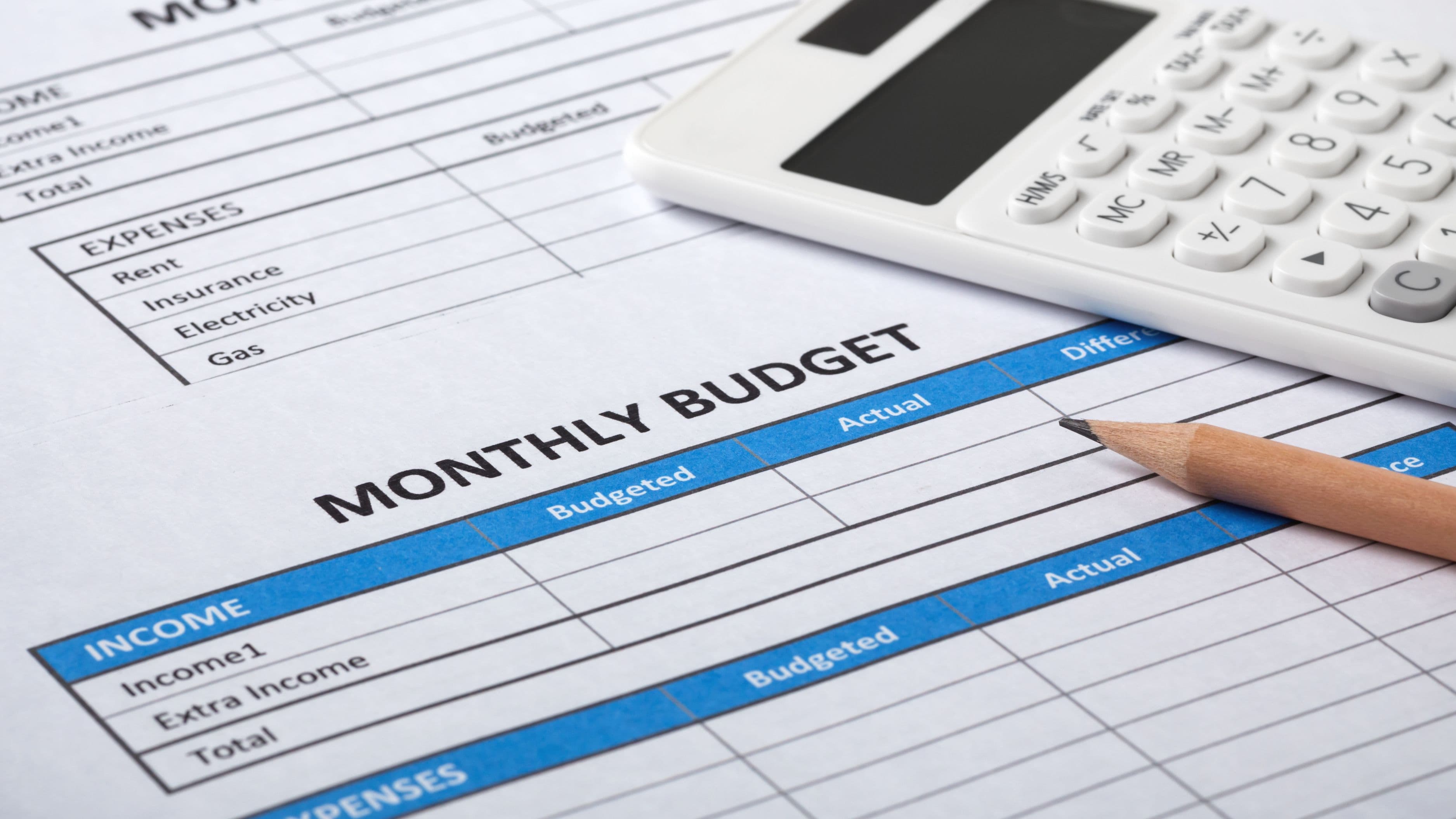
Most people in their twenties get by on a rough mental estimate of their spending, and that approximation stops working once income, expenses, and obligations multiply in your thirties. Building a habit of actually tracking spending, whether through a budgeting app, a spreadsheet, or your bank's built-in categorization tools, gives you real visibility into where your money goes instead of a vague guess. This matters for your money because you can't make good decisions about saving or cutting back without first knowing your actual numbers, and small leaks like subscription creep or takeout habits are almost always bigger than people initially estimate.
2. Building an Emergency Fund Before Anything Else
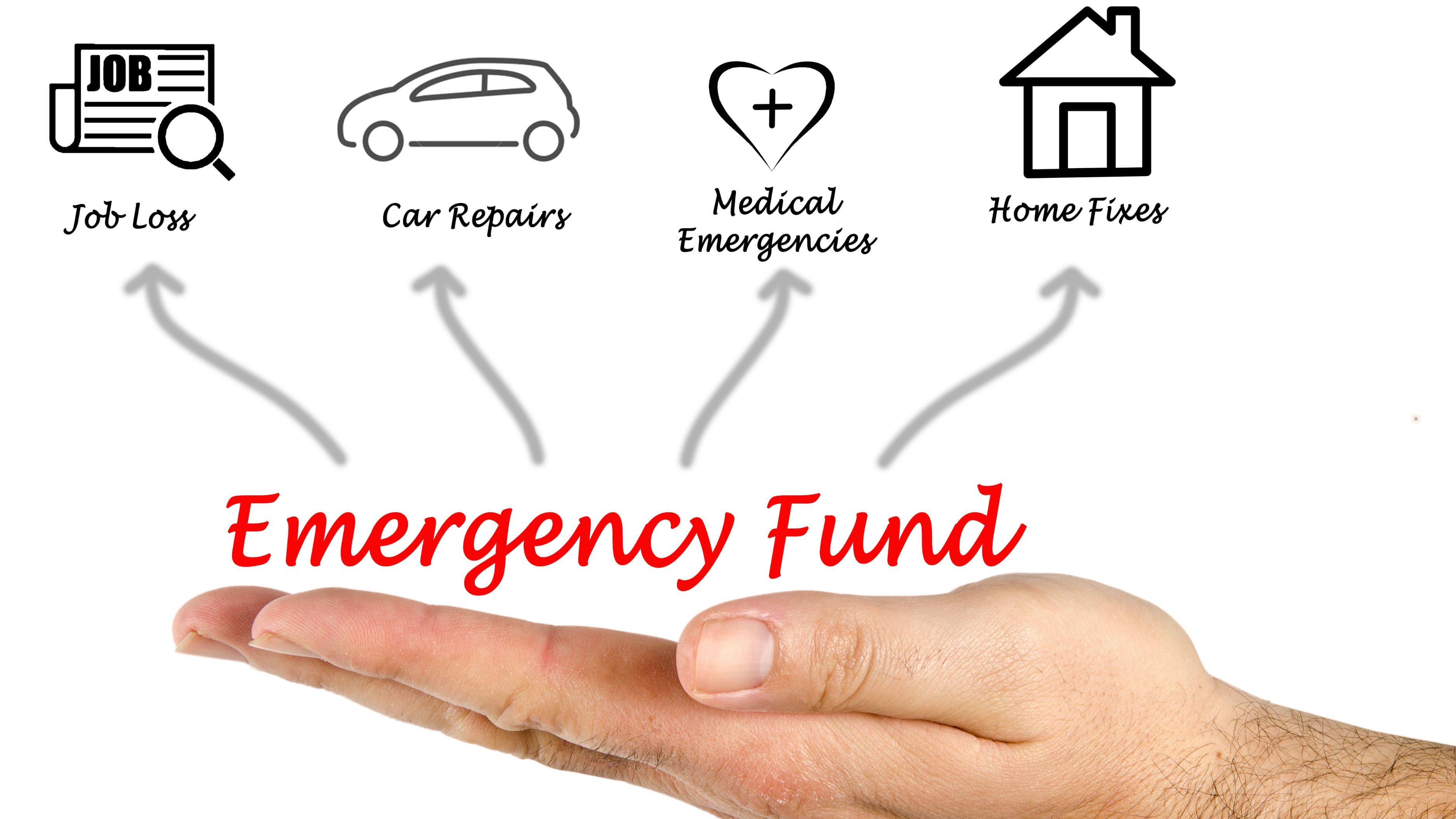
An emergency fund, generally three to six months of essential expenses set aside in an accessible account, becomes far more important in your thirties, when you're more likely to have dependents, a mortgage, or other obligations that make a sudden job loss or medical expense much more disruptive than it would have been at twenty-two. What this means for your money is straightforward: without this cushion, any unexpected expense gets financed through credit card debt or by dipping into retirement savings, both of which cost you more in the long run than the original expense itself. Building this fund gradually, even starting with a modest automatic transfer of $50 or $100 a month, creates real protection over time.
3. Automating Retirement Contributions Instead of Relying on Willpower
People who consistently save for retirement in their thirties tend to have one thing in common: they've automated the process so saving happens before spending decisions get made, rather than trying to save whatever's left over at the end of the month. Setting up automatic contributions to a 401(k), IRA, or similar retirement account means the money is invested before it ever hits your checking account, removing the temptation to spend it elsewhere. This matters enormously for your money because of how compounding works over time; contributions made in your thirties have decades to grow before retirement, giving even modest monthly amounts a meaningful chance to build into something substantial.
4. Understanding and Managing Debt Strategically
Your thirties often bring a more complex debt picture, potentially including a mortgage, remaining student loans, and possibly a car payment, and the habit that separates people who feel in control from those who feel buried is understanding the actual terms and interest rates on each debt rather than treating them as one undifferentiated pile. This means knowing which debts carry high interest rates worth prioritizing for extra payments, and which are low enough that extra payments toward investing or savings might make more financial sense instead. What this means for your money is that not all debt deserves the same urgency, and a strategic approach based on actual numbers, rather than emotional discomfort with owing money, generally produces better long-term outcomes.
5. Getting Serious About Insurance Coverage
Many people carry minimal insurance through their twenties and only start thinking seriously about health, life, disability, or renters and homeowners insurance once life circumstances change in their thirties, often triggered by a new home, a marriage, or children. Building the habit of reviewing your actual coverage, rather than assuming whatever you signed up for years ago is still adequate, protects against financial disaster from an unexpected illness, accident, or property loss. This matters for your money because being underinsured doesn't save money, it just shifts the risk of a catastrophic cost from an affordable monthly premium to a potentially devastating lump sum you'd have to cover entirely out of pocket.
6. Having Real Conversations About Money With Your Partner or Household
For people who are partnered, cohabiting, or raising a family, the thirties tend to be when avoiding money conversations stops being viable. Building a habit of regular, honest check-ins about shared expenses, savings goals, and financial priorities prevents the kind of misalignment that often becomes a serious source of stress or conflict later. What this means for your money is that financial plans made without buy-in from everyone involved tend to fall apart under pressure, while decisions made collaboratively are far more likely to actually get followed through on.
7. Investing Beyond Just a Retirement Account
Many people in their thirties start exploring investment options beyond an employer-sponsored retirement plan, whether that's a taxable brokerage account, real estate, or other long-term investment vehicles, as their income and financial stability grow. Building the habit of researching these options and starting with modest, diversified positions rather than either avoiding investing entirely or chasing risky trends can meaningfully shape long-term wealth building. This matters for your money because retirement accounts alone often aren't enough to fund every financial goal, including things like a home down payment, a child's education, or early retirement, and a broader investment habit built early has more time to grow.
Key Takeaway
None of these habits require dramatic income increases or drastic lifestyle changes to start. What separates people who feel financially secure in their forties from those who don't is often less about how much they earned in their thirties and more about which of these habits they built consistently during this decade, even in modest, imperfect ways.
FAQ
Is it too late to start these habits if I'm already in my late thirties? No. While starting earlier gives compounding more time to work, every one of these habits still produces meaningful benefit whenever you begin, and the cost of waiting is generally smaller than the cost of never starting at all.
How much should an emergency fund actually cover? Three to six months of essential expenses is a common benchmark, though the right number depends on your job stability, dependents, and other sources of financial support available to you.
Do I need a financial advisor to build these habits? Not necessarily. Many of these habits, like automating contributions or tracking spending, can be set up independently using free or low-cost tools, though a financial advisor can be helpful for more complex decisions like investment allocation or insurance coverage.
📚 Sources
Consumer Financial Protection Bureau – "Building an Emergency Fund." https://www.consumerfinance.gov/about-us/blog/how-to-save-for-emergency-fund/
Internal Revenue Service – "Retirement Topics: IRA and 401(k) Contribution Limits." https://www.irs.gov/retirement-plans
FINRA – "Understanding Investment Basics." https://www.finra.org/investors/learn-to-invest