


Financial stress is common, and it's not a personal failing. But understanding how it affects your thinking can help you break the cycle where stress leads to decisions that create even more stress.
What Financial Stress Is
Financial stress is the mental and emotional strain that comes from worrying about money – whether that's covering bills, carrying debt, facing an unexpected expense, or feeling unsure about the future. It can come from genuine hardship, but it also affects people with stable incomes who feel uncertain or out of control.
Money consistently ranks among the top sources of stress in the American Psychological Association's Stress in America surveys. The Consumer Financial Protection Bureau defines financial well-being partly as having control over day-to-day finances and feeling secure about the future – which means financial stress is often as much about uncertainty and control as it is about the actual numbers.
How Financial Stress Changes Your Decisions
It Narrows Your Focus to the Short Term
When money feels tight, your attention locks onto immediate problems. Researchers call this "tunneling." It can help you handle urgent issues, like making rent this week, but it pushes longer-term priorities out of view. Saving for retirement, comparing insurance options, or planning next month's budget start to feel impossible to think about.
What this means for your money: short-term fixes like payday loans, late fees, or minimum-only payments can feel reasonable in the moment, even when they cost far more over time.
It Takes Up Mental Bandwidth
A widely cited study published in Science found that thinking about financial problems reduced people's performance on cognitive tests, with the effect comparable to losing a night of sleep. The researchers weren't saying anyone is less capable – they were showing that money worries consume the mental capacity you'd otherwise use for planning and self-control.
That's why stressful financial weeks often come with forgotten bills, rushed purchases, and poor follow-through. You're working with less mental fuel than usual.
It Triggers Avoidance
Many people respond to money stress by avoiding it – not opening bills, skipping statement reviews, or putting off tough conversations with a partner. Avoidance brings short-term relief, but problems usually grow while ignored. A missed bill becomes a late fee, then a credit score hit.
It Makes Emotional Spending More Likely
Stress increases the pull toward quick comfort. Retail therapy, food delivery, and impulse purchases can offer brief relief, followed by guilt that feeds even more stress. It's a cycle many people recognize but find hard to break when they're already worn down.
It Can Lead to Freezing or Rash Moves
Some people stop making decisions entirely when stressed. Others make sudden, big moves – selling investments during a market dip or taking on a loan without reading the terms. Both reactions come from the same place: a desire to make the uncomfortable feeling go away.
Why It Matters for Your Long-Term Finances
The costs of stress-driven decisions add up. Late fees, high-interest borrowing, missed employer retirement matches, and panic-selling investments can quietly set you back years. And because those costs create more financial pressure, stress feeds on itself.
Breaking that loop doesn't require becoming a finance expert. It requires reducing the moments when stress gets to make decisions for you.
Practical Takeaways You Can Use This Week
1. Schedule a short, regular money check-in. Fifteen minutes once a week to review your balance and upcoming bills reduces avoidance and makes the numbers feel less threatening. Shorter, predictable check-ins tend to work better than rare, dreaded sessions.
2. Automate the essentials. Set up automatic payments for recurring bills (at least the minimum) and automatic transfers to savings on payday. Automation removes decisions from stressful moments entirely.
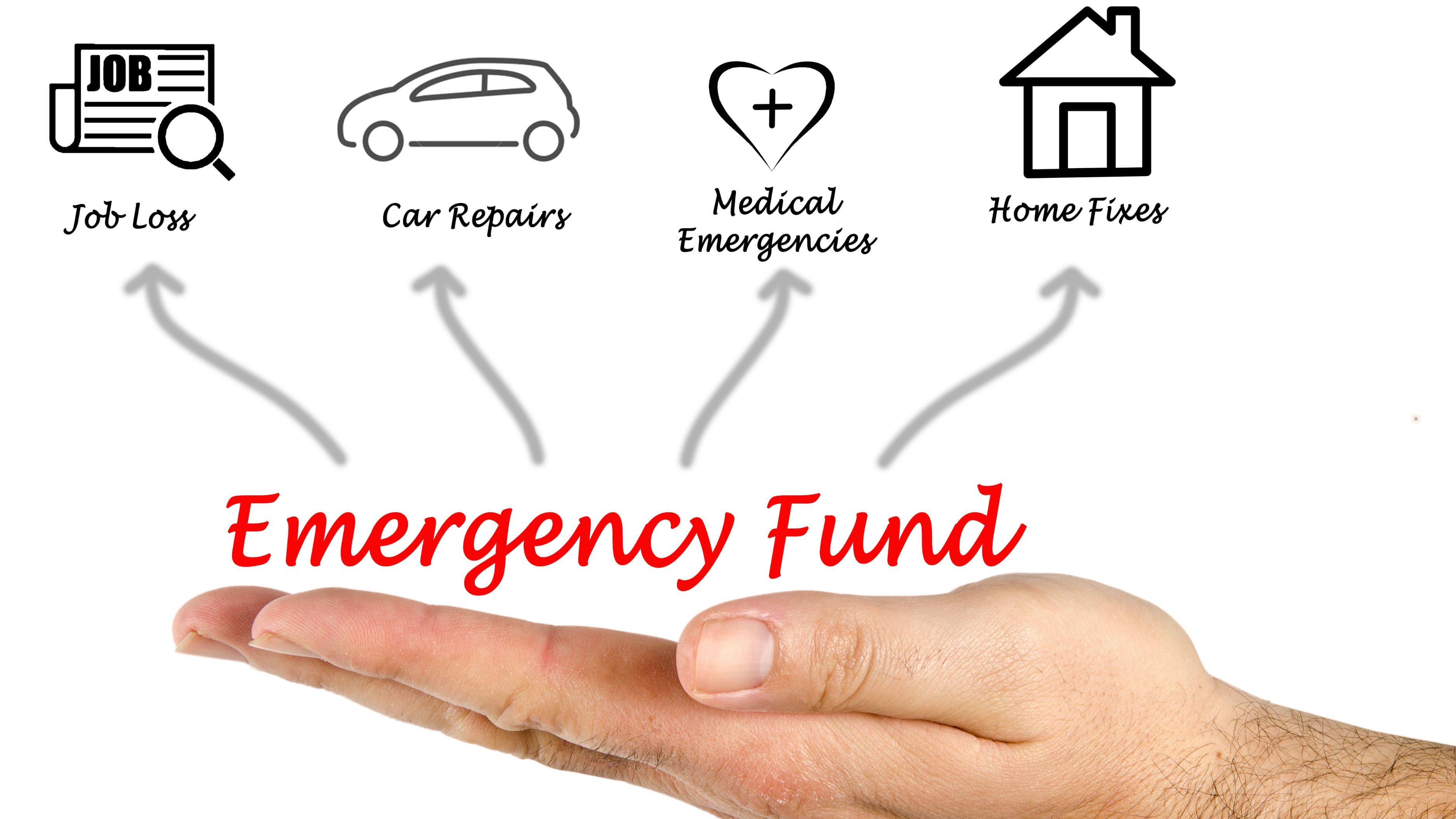
3. Build a small buffer first. Even a starter emergency fund of a few hundred dollars can reduce the panic of an unexpected expense. Research from the CFPB links having savings to higher financial well-being, independent of income.
4. Use a 24-hour rule for nonessential purchases. Waiting a day before buying something you didn't plan for gives the stress response time to fade and lets you decide with a clearer head.
5. Write down the actual numbers. Listing every debt, balance, and due date can feel scary but usually makes a problem feel more manageable. Vague worry is often worse than a concrete list.
6. Ask for help early. Nonprofit credit counseling agencies can help you build a plan, and many lenders offer hardship programs if you contact them before missing payments.
Risks and Limitations
These strategies help manage stress, but they don't erase real financial hardship. If income doesn't cover basic expenses, the core issue may require bigger changes like increasing income, reducing fixed costs, or seeking assistance programs. It's also worth recognizing that chronic financial stress can affect sleep, relationships, and physical and mental health. If stress feels overwhelming, talking with a mental health professional or your doctor is a smart step, not a sign of weakness.
Be cautious of anyone promising quick fixes. Debt relief companies that charge large upfront fees or guarantee results are a known red flag.
Key Takeaways
Financial stress narrows your focus, uses up mental bandwidth, and pushes you toward avoidance, emotional spending, or rash moves. The goal is to limit how much stress gets to steer your choices. Regular check-ins, automation, a small buffer, a waiting rule, and early help can make a real difference over time, though results will vary depending on your situation.
FAQ
Is financial stress the same as being in debt?
Not necessarily. Debt can cause stress, but so can uncertainty, irregular income, or feeling unprepared for the future, even with no debt at all.
Can financial stress affect my health?
Chronic stress in general has been linked to sleep problems and other health effects. If it's affecting your wellbeing, consider talking to a healthcare professional.
What's the fastest way to reduce money stress?
There's no instant fix, but getting a clear picture of your numbers and automating essential payments often brings noticeable relief quickly.
Should I avoid making big financial decisions while stressed?
When possible, yes. Give yourself time and, for major moves, consider getting input from a trusted advisor.
Final Thoughts
Financial stress isn't just a feeling – it's a factor that shapes your money decisions in predictable ways. Recognizing those patterns is the first step to making choices that match your goals rather than your worries.
Start small. One weekly check-in and one automated transfer won't solve everything, but they're a real step toward feeling more in control.
This article is for educational purposes only and is not financial advice. Outcomes are not guaranteed and depend on your individual circumstances.
📚 Sources
American Psychological Association – Stress in America: https://www.apa.org/news/press/releases/stress
Consumer Financial Protection Bureau – Financial well-being: https://www.consumerfinance.gov/consumer-tools/financial-well-being/
Mani, Mullainathan, Shafir & Zhao – Poverty Impedes Cognitive Function, Science (2013): https://www.science.org/doi/10.1126/science.1238041
Consumer Financial Protection Bureau – Financial well-being in America: https://www.consumerfinance.gov/data-research/research-reports/financial-well-being-america/