


Knowing what tends to trip people up before you start your own search can help you avoid the most common, and most avoidable, pitfalls.
Not Getting Pre-Approved Before House Hunting
It's tempting to start browsing listings before dealing with the "boring" financial paperwork, but shopping without a pre-approval means you don't actually know what you can afford, or whether you'll qualify for financing at all. This often leads to falling in love with homes outside your realistic budget, then feeling disappointed when reality sets in.
Getting pre-approved early also strengthens your position once you do find a home, since sellers take offers from pre-approved buyers more seriously in competitive markets. This step typically takes a few days and gives you a clear, realistic number to work with from the start.
Underestimating the True Cost of Homeownership
The mortgage payment itself is only part of what owning a home actually costs each month. Property taxes, homeowners insurance, private mortgage insurance if your down payment is under 20%, and ongoing maintenance all add up, often to a meaningfully higher total than the mortgage payment alone.
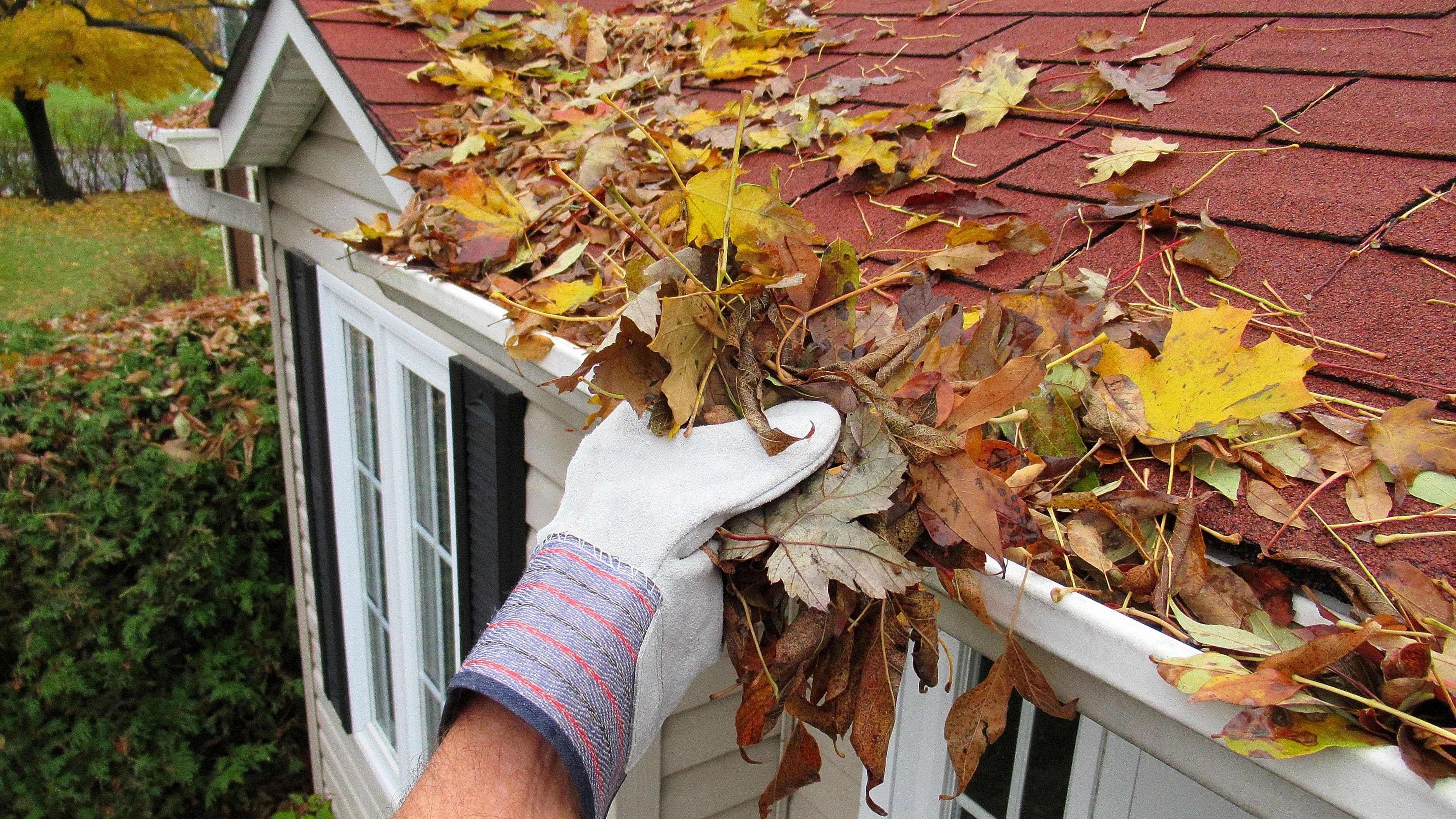
A common guideline suggests budgeting 1% to 2% of your home's value annually for maintenance and repairs, which for a $350,000 home means setting aside $3,500 to $7,000 a year beyond your regular payment. Skipping this consideration is one of the fastest ways for new homeowners to feel financially squeezed within the first year.
Draining Savings for the Down Payment
Putting every available dollar toward your down payment to avoid PMI or secure a better rate can leave you without a real emergency fund right when unexpected homeownership costs are most likely to appear. A furnace failure or roof repair in your first year without savings to cover it can quickly turn into high-interest debt.
A more balanced approach maintains some emergency savings even if it means a slightly smaller down payment or accepting PMI temporarily, since PMI can typically be removed later once you've built enough equity.
Skipping the Home Inspection to Compete in a Hot Market
In competitive markets, some buyers waive inspection contingencies to make their offer more appealing to sellers. While this can occasionally help win a bid, it also means taking on unknown risk, structural issues, outdated electrical systems, or hidden water damage, that could cost significantly more than the inspection itself would have.
If you're considering waiving an inspection to strengthen an offer, at minimum consider a pre-inspection before submitting your offer, so you at least have information even if you're not using it as a formal contingency.
Focusing Only on the Interest Rate, Not the Full Loan Terms
A lower interest rate looks appealing, but it's not the only factor that determines your total cost. Loan terms, points paid upfront, and lender fees all affect the actual cost of borrowing, and a slightly higher rate with lower fees sometimes works out cheaper over the time you actually plan to stay in the home.
Comparing the full loan estimate across multiple lenders, not just the headline interest rate, gives a clearer picture of what you're actually paying over the life of the loan or the years you realistically expect to stay in the home.
Not Accounting for How Long You Plan to Stay
Buying a home makes the most financial sense when you plan to stay long enough to recoup the upfront costs of buying and selling, which can easily total 8% to 10% of the home's value combined. If there's a real chance you'll need to move within two to three years for work or other reasons, it's worth running the numbers on whether renting might actually serve you better financially in that window.
This isn't a reason to avoid buying, but it is a reason to be honest with yourself about your timeline before committing to a purchase with significant transaction costs on both ends.
Letting Emotions Override the Budget You Set
It's common to walk into a home, fall in love with a specific feature, and stretch beyond your original budget to make it work. This happens gradually, an extra $10,000 here, a slightly higher offer there, and before long you've committed to a monthly payment that feels tight rather than comfortable.
Setting a firm budget before you start looking, and treating it as a real limit rather than a flexible starting point, protects you from this common and understandable emotional pull once you're actually in the process.
Not Shopping Around for Homeowners Insurance
Many first-time buyers accept whatever homeowners insurance quote their lender or agent suggests without comparing options. Insurance costs can vary significantly between providers for similar coverage, and this is an ongoing annual cost worth taking the time to shop around for, both at purchase and at renewal each year.
What This Means for Your Money
Most of these mistakes share a common thread: they come from focusing on the immediate excitement of buying a home rather than the full financial picture over the following years. Building in a buffer, whether that's maintenance savings, a realistic budget ceiling, or genuinely comparing loan terms, protects you from the kind of financial strain that turns homeownership from an asset into a source of ongoing stress.
What to Avoid
Don't skip pre-approval to "just look" at homes first. Knowing your realistic budget before you start prevents wasted time and emotional attachment to homes outside your actual price range.
Don't drain your entire emergency fund for a larger down payment. Some cash reserve after closing protects you from unexpected costs that are common in a home's first year.
Don't waive a home inspection purely to win a competitive bid without at least getting a pre-inspection. Unknown structural or system issues can cost far more than the inspection fee itself.
FAQ
How much should I save before buying my first home? Beyond your down payment, aim to keep 3 to 6 months of expenses in savings after closing, plus a starting buffer for maintenance, since homeownership brings costs beyond the mortgage itself.
Is it better to get pre-qualified or pre-approved? Pre-approval is more thorough and carries more weight with sellers, since it involves verifying your financial documents rather than just estimating based on self-reported information.
Should I always get the lowest interest rate available? Not necessarily. Compare the full loan estimate, including fees and points, rather than just the interest rate, since the lowest rate isn't always the lowest total cost depending on how long you plan to stay in the home.
📚 Sources
"Home Buying Process" – Consumer Financial Protection Bureau – https://www.consumerfinance.gov/owning-a-home/
"Homeowner Maintenance Costs" – U.S. Department of Housing and Urban Development – https://www.hud.gov/
"Understanding Your Loan Estimate" – Consumer Financial Protection Bureau – https://www.consumerfinance.gov/owning-a-home/loan-estimate/