
What a High-Yield Savings Account Actually Is
A high-yield savings account is a savings account, typically offered by an online bank or the online arm of a traditional bank, that pays a significantly higher interest rate (called APY, or annual percentage yield) than a standard savings account at most brick-and-mortar banks. The account itself works the same way you'd expect – you deposit money, it earns interest over time, and you can withdraw it when needed – but the rate you earn on your balance is the key difference.
Online banks can typically offer higher rates because they don't carry the overhead costs of maintaining physical branches, and they pass some of those savings on to customers in the form of better interest rates. Many of these accounts are still FDIC-insured (or NCUA-insured for credit unions) up to the standard $250,000 per depositor limit, meaning your money carries the same basic protection as a traditional bank account, even though it's held online rather than in a branch you can walk into.
Why the Rate Difference Matters So Much
Traditional savings accounts at many large national banks have historically paid interest rates close to 0.01%–0.05% APY – a rate so low it barely registers on a typical balance. High-yield savings accounts, by contrast, have offered meaningfully higher rates, and the gap between the two has been substantial in recent years, particularly during periods when the Federal Reserve has kept benchmark interest rates elevated.
It's important to understand that HYSA rates are variable, not fixed – they move up and down largely in response to Federal Reserve policy and broader economic conditions, so the specific rate you see advertised today won't necessarily be the same in a year. That's a real limitation worth keeping in mind: a high-yield account offering an attractive rate this year could offer a lower one down the road if broader rates fall, and there's no way to lock in today's rate for an extended period the way you can with something like a CD (certificate of deposit).
How Much Can It Actually Earn? A Real Example
Let's walk through the math with a hypothetical, since specific rates change over time and you should always check current numbers before assuming what you'll actually earn. Say you have $10,000 sitting in a traditional savings account earning 0.05% APY. Over a full year, assuming the balance stays the same, that account earns you roughly $5 in interest – barely enough to notice.
Now say that same $10,000 is instead sitting in a high-yield savings account earning a considerably more competitive rate. Even a moderate HYSA rate can turn that same $10,000 into several hundred dollars of interest over a year, simply by sitting in a different type of account with no added risk or effort on your part. The exact dollar amount depends entirely on the current rate, which is why it's worth checking a live rate comparison rather than relying on any specific number as guaranteed – rates shift, and what a HYSA pays today may not be what it pays a year from now.
The broader point holds regardless of the exact numbers: the same amount of money, sitting in an account you're not actively managing, can earn meaningfully more interest in a high-yield account than in most traditional savings accounts, simply based on where you choose to keep it.
How to Actually Open and Use One
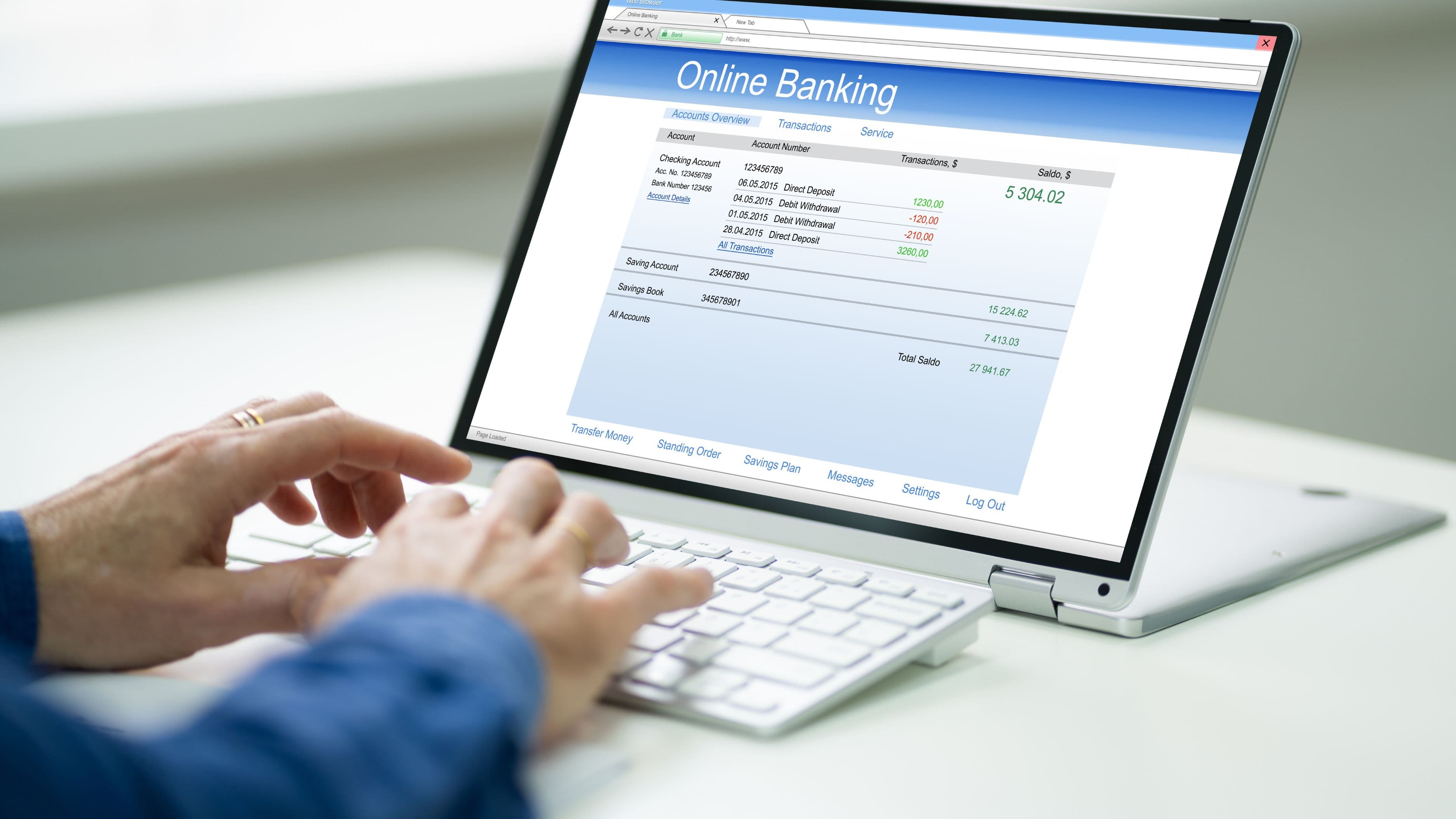
Opening a high-yield savings account is usually a straightforward online process – most online banks let you apply directly through their website or app, typically requiring basic identification information and a way to fund the account, often by linking an existing bank account and transferring money over. Approval is usually quick, often same-day or within a few business days for the transfer to fully process.
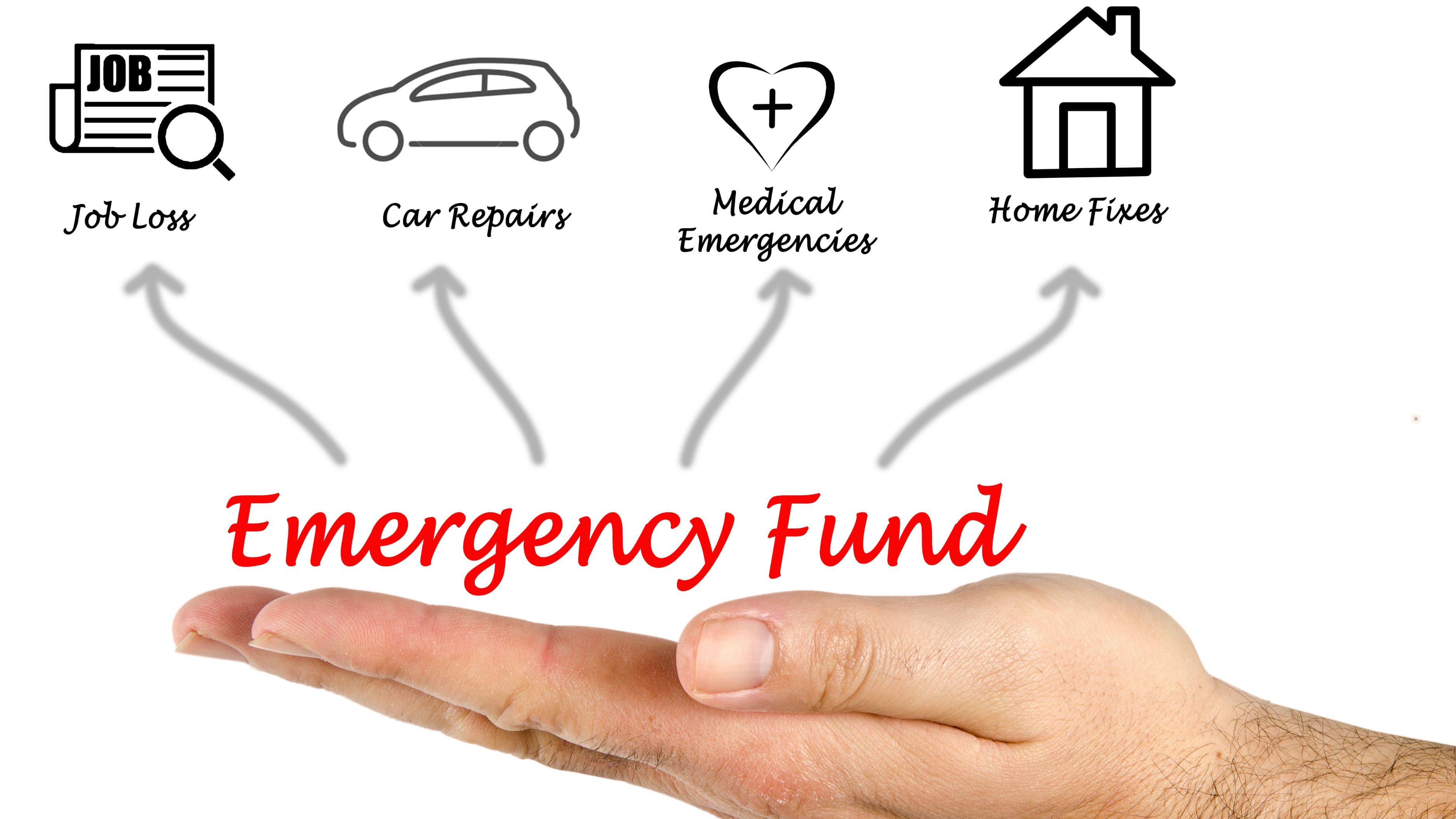
Once it's open, using it is largely passive: you can treat it as a place to keep your emergency fund, short-term savings goals, or any cash you're not planning to invest or spend soon. Some HYSAs offer easy transfers back to a linked checking account, though transfer times can take a business day or two, which is worth knowing if you might need quick access to the money in a true emergency – this is a meaningful difference from a checking account, where funds are usually available instantly.
Risks and Limitations to Keep in Mind
A high-yield savings account is low-risk compared to investing, but it's not entirely without tradeoffs. The most important one is that rates are variable and can decrease, sometimes without much warning, based on shifts in the broader interest rate environment – there's no guarantee the rate you sign up for today will still be there next year. This means a HYSA isn't a "set it and forget it forever" decision; it's worth periodically checking whether your account's rate is still competitive compared to other options.
It's also worth remembering that even a strong HYSA rate may not fully outpace inflation in every economic environment, meaning the purchasing power of your money could still erode somewhat over time even while the account balance itself is growing. This doesn't make a HYSA a bad choice – it's still meaningfully better than leaving money in a near-zero-interest account – but it's a reason not to treat it as a substitute for long-term investing when it comes to money you won't need for many years.
Finally, some high-yield accounts come with minimum balance requirements, limited monthly withdrawal allowances, or occasional fees under certain conditions, so it's worth reading the specific terms of any account before opening one, rather than assuming all HYSAs work identically.
Key Takeaways
A high-yield savings account is one of the lowest-effort financial moves available for money you're not ready to invest but don't want sitting nearly idle in a low-rate account. The process to open one is simple, the protection (FDIC or NCUA insurance) matches a traditional bank account, and the potential difference in what you earn can be substantial compared to many traditional banks' standard savings rates.
At the same time, it's worth going in with realistic expectations: rates are variable and can change, the earnings still won't rival long-term investment returns, and it's smart to periodically compare your account's current rate against others to make sure you're not missing out on better options as the market shifts.
FAQ
Is my money safe in a high-yield savings account? Yes, as long as the account is FDIC-insured (for banks) or NCUA-insured (for credit unions) and your balance is within the standard $250,000 per depositor coverage limit, your money carries the same basic protection as a traditional bank account.
Can the interest rate on a high-yield savings account change after I open it? Yes. These rates are variable and can move up or down based on broader economic conditions, primarily tied to Federal Reserve policy. There's no way to lock in a specific rate long-term with a standard HYSA.
Is a high-yield savings account better than investing my money? They serve different purposes. A HYSA is generally better suited for money you might need within the next few years, like an emergency fund, while investing tends to make more sense for longer-term goals where you can ride out market ups and downs.
📚 Sources
"Deposit Insurance FAQs" – Federal Deposit Insurance Corporation, fdic.gov
"How the Federal Reserve Affects Interest Rates" – Federal Reserve Bank of St. Louis, stlouisfed.org
"Savings Accounts: What to Know" – Consumer Financial Protection Bureau, consumerfinance.gov