What Inflation Actually Does to Your Money
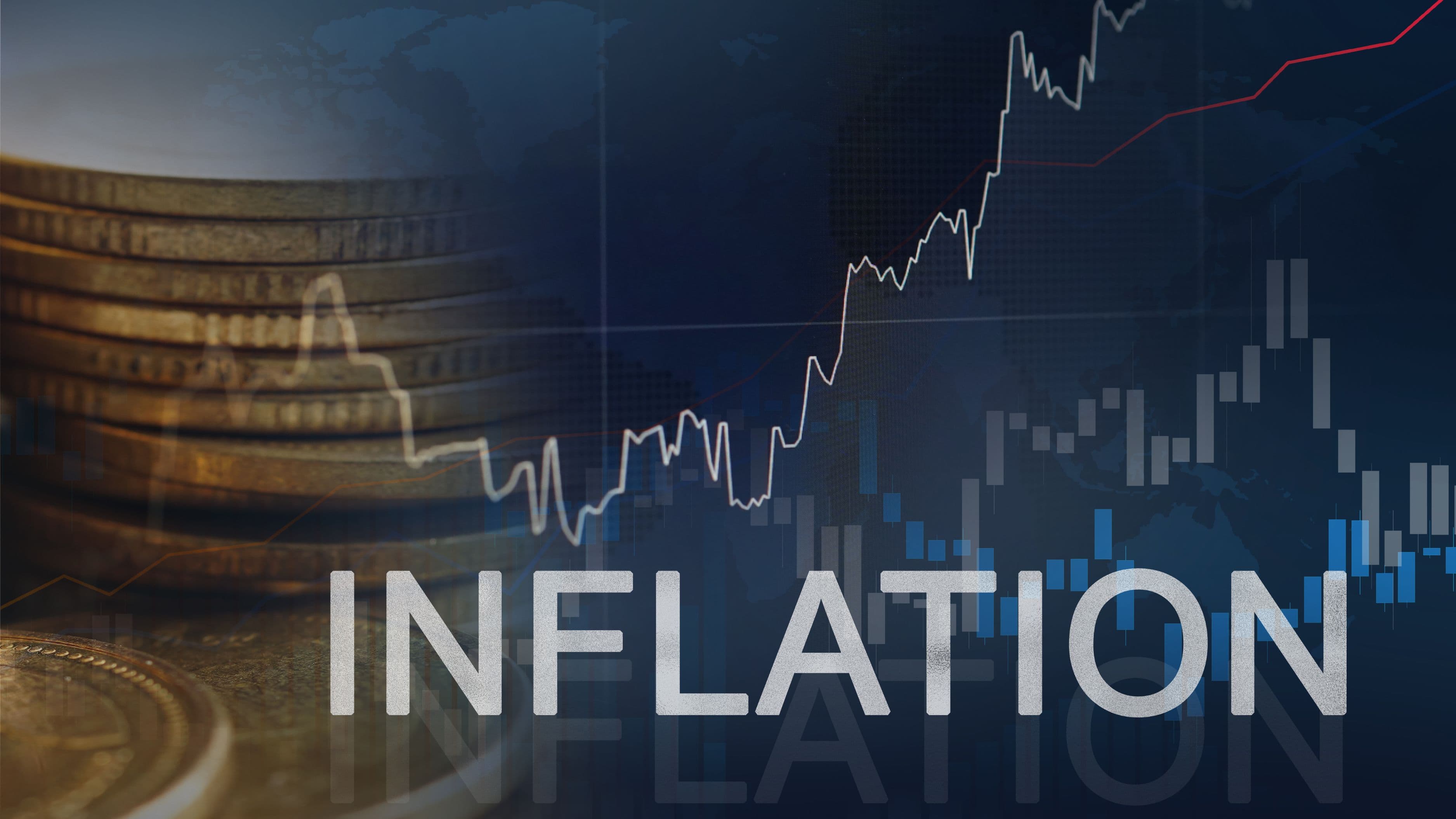
Inflation measures how much prices rise across the economy over time, and it affects your savings by reducing what the same amount of money can actually purchase. If inflation runs at 3 percent annually and your savings account earns 0.5 percent interest, you're effectively losing about 2.5 percent of your money's real purchasing power every single year, even though your account balance keeps growing on paper.
This gap between the interest you're earning and the rate of inflation is sometimes called negative real return, and it's one of the most overlooked risks in personal finance because it doesn't show up as a dramatic loss. Your statement still shows growth, just growth that isn't keeping pace with rising costs, which makes the erosion easy to miss unless you're specifically tracking it.
What This Means for Your Money in Practical Terms
Cash sitting in a traditional savings account, or worse, a checking account earning no interest at all, is one of the assets most exposed to this erosion. Over a decade, even moderate inflation compounds meaningfully; money that seems "safe" because it isn't at risk of market volatility is still losing real value if it's not earning a return that at least matches inflation.
This doesn't mean cash savings are pointless. Emergency funds and near-term savings goals still belong in accessible, low-risk accounts because the priority there is availability, not growth. The issue arises specifically with money you're not planning to touch for years, since that's the money most affected by inflation's slow erosion and most able to benefit from strategies that outpace it.
Strategies to Protect Your Savings From Inflation
Move idle cash into a high-yield savings account. Standard savings accounts at large traditional banks often pay a small fraction of what online high-yield savings accounts offer. Moving your emergency fund or near-term savings into a high-yield account, several of which have offered rates well above traditional savings averages in recent years, doesn't eliminate inflation risk but meaningfully narrows the gap.
Consider Treasury Inflation-Protected Securities (TIPS) for a portion of longer-term savings. These government bonds are specifically designed to adjust their principal value based on inflation, meaning your investment grows in step with rising prices rather than losing ground to them. They're not appropriate for money you need in the short term, since bond values can fluctuate before maturity, but they're worth understanding as an option for longer-term, inflation-conscious savings.
Invest a portion of long-term savings rather than keeping it all in cash. Historically, diversified investments like broad stock market index funds have outpaced inflation over long time horizons, though this comes with real short-term volatility risk that cash doesn't carry. This strategy fits money you won't need for several years or more, not funds earmarked for near-term expenses.
Review and renegotiate recurring expenses regularly. Inflation doesn't just affect savings; it affects the ongoing cost of subscriptions, insurance, and services you're already paying for. Periodically reviewing these costs and negotiating or switching providers when reasonable helps offset the squeeze inflation puts on your monthly budget, freeing up more to save and invest in the first place.
Build inflation awareness into your long-term goal planning. If you're calculating how much you'll need for retirement or a major future goal, using a realistic inflation assumption, historically averaging in the 2 to 3 percent range annually, rather than planning based on today's prices prevents a significant and common underestimation of future needs.
Key Takeaways
Inflation erodes the real value of cash sitting in low-interest accounts, even when your account balance keeps growing. Emergency funds should stay accessible and low-risk regardless of inflation, but longer-term savings benefit from strategies, high-yield accounts, TIPS, diversified investing, that aim to at least keep pace with rising prices. Reviewing recurring costs regularly and factoring realistic inflation assumptions into long-term planning are simple, repeatable habits that protect your money over time without requiring complex financial expertise.
FAQ
Should I move my entire emergency fund into investments to beat inflation? No. Emergency funds need to stay accessible and stable for genuine emergencies, since investment values can drop temporarily right when you might need the money. A high-yield savings account is a more appropriate inflation-conscious choice for this specific portion of your savings.
Are TIPS a good option for beginners? TIPS can be a reasonable option for a portion of longer-term, lower-risk savings, but they come with their own nuances around taxation and interest rate sensitivity worth understanding, or discussing with a financial professional, before investing a significant amount.
How much does inflation typically reduce purchasing power over time? Historical U.S. inflation has averaged around 2 to 3 percent annually over long periods, though it fluctuates year to year. Even at moderate rates, this compounds meaningfully over a decade or more if savings aren't earning a comparable return.
📚 Sources
U.S. Bureau of Labor Statistics, "Consumer Price Index" – bls.gov
TreasuryDirect, "Treasury Inflation-Protected Securities (TIPS)" – treasurydirect.gov
🔍 Explore Related Topics
How much emergency fund should you keep in cash