


What's Actually Happening When People Split Accounts Up
The core idea behind multiple bank accounts isn't complicated: instead of keeping all your money in one checking account where bills, savings, and spending money blend together, you separate funds by purpose. This typically means a checking account for daily spending and bills, one or more savings accounts for specific goals like an emergency fund or a vacation, and sometimes a separate account entirely for a side income stream or business expenses.
This isn't a new concept – it's essentially a digital version of the old "envelope budgeting" method, where cash was physically divided into different envelopes for different purposes. The difference now is that banks make this easier through free checking and savings accounts, sub-accounts, or "buckets" within a single banking app, meaning you don't necessarily need accounts at multiple different banks to get this same separation benefit.
Why It Matters for Your Money
The psychological effect of separation is the biggest practical benefit here, and it's backed by common behavioral finance observations: money that's visually and functionally separated from your everyday spending account is significantly less likely to get spent impulsively. If your emergency fund sits in the same account you use for daily coffee runs and grocery trips, the line between "available to spend" and "meant to be protected" blurs easily, even for people who consider themselves disciplined with money.
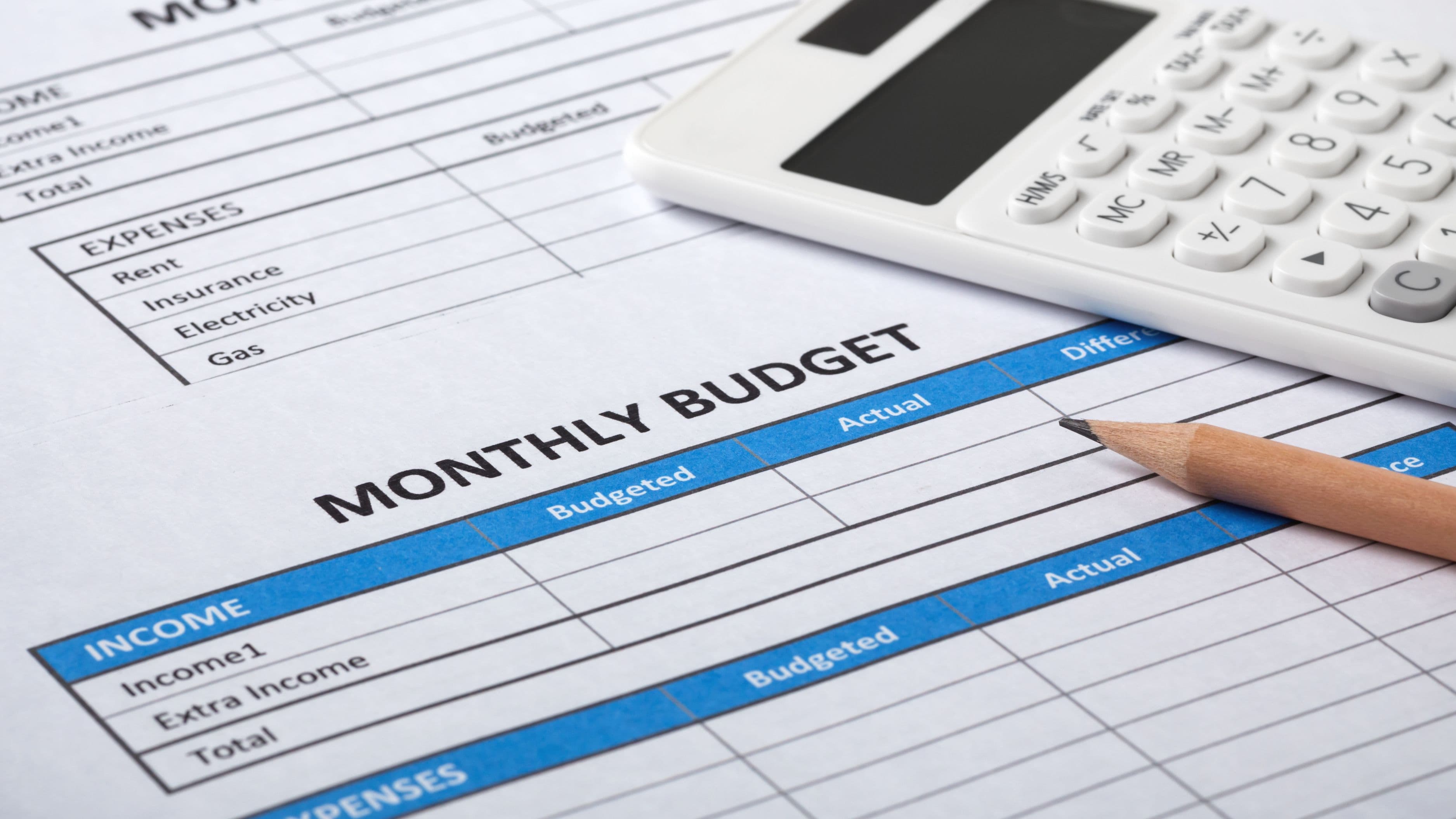
Beyond the psychological piece, separation creates practical clarity. When you open your banking app and see exactly how much is allocated to rent, how much is sitting in savings, and how much is genuinely free to spend, budgeting decisions become faster and less stressful, since you're not doing mental math to figure out what's actually "safe" to spend from a single blended balance.
What This Means for Your Money: The Real Benefits
Separating your emergency fund into its own account, ideally a high-yield savings account at a different bank than your everyday checking, adds a small but real layer of friction that reduces the temptation to dip into it for non-emergencies. This friction matters more than it might seem, since research on behavioral finance consistently shows that small barriers to spending meaningfully change behavior, even when the money is technically just as accessible.
If you're saving toward a specific goal – a vacation, a down payment, a big purchase – a separate account lets you track progress toward that specific number without it getting mixed into your general savings balance. This visibility alone often increases follow-through on savings goals, simply because progress feels more concrete and motivating when it's isolated and trackable.
For anyone earning side income, keeping that money in a completely separate account from personal spending makes tax time considerably easier, since you're not manually separating personal and side-income transactions from a single blended statement. This is a practical bookkeeping benefit that has nothing to do with psychology and everything to do with reducing the administrative headache of tracking irregular income.
Where This Approach Has Real Limitations
Multiple accounts only help if you're actually using them with intention. Opening five accounts and letting money sit disorganized across all of them, without a clear system for what goes where, typically creates more confusion than having one account you actually track carefully. The benefit comes from the system behind the separation, not from the number of accounts itself.
There's also a practical cost to consider: some accounts carry monthly maintenance fees or minimum balance requirements, and spreading your money too thin across multiple accounts can inadvertently trigger these fees if you're not tracking each account's specific requirements. Before opening a new account for a specific purpose, it's worth confirming it has no fees or requirements that would eat into the very savings you're trying to protect.
Managing multiple accounts also takes more ongoing attention than a single account does. If you're not someone who checks in on your finances regularly, spreading money across several accounts can result in things like an unnoticed fee, a forgotten small balance, or simply losing track of where your money actually is. This approach tends to work best for people who are already reasonably engaged with tracking their finances, rather than as a fix for people looking to worry about money less.
Practical Takeaways You Can Apply Now
Start with two accounts if you're new to this approach: one checking account for bills and daily spending, and one separate high-yield savings account specifically for your emergency fund. This alone captures most of the psychological and practical benefit without adding unnecessary complexity to manage.
If you're saving for a specific near-term goal, consider a third account, or a sub-account within your existing bank's app if it offers that feature, dedicated entirely to that goal. Naming the account after the specific goal – "Vacation Fund" rather than just "Savings 2" – tends to reinforce the psychological commitment to leaving that money alone until it's actually needed.
If you earn any side income, open a dedicated account for it immediately, even before your first payment arrives. This single step saves considerable time and confusion later, both for your own budgeting clarity and for tax preparation, since you won't need to comb through a blended account to separate personal and side-income transactions after the fact.
Before opening any new account, check specifically for monthly fees, minimum balance requirements, and whether the account offers a meaningfully competitive interest rate if it's meant for savings. A savings account with a low or negligible interest rate provides much less benefit than a high-yield option, even though both technically accomplish the same separation goal.
Finally, set a regular check-in – monthly is usually sufficient – to review balances across all your accounts together. This prevents the common failure mode where money gets separated but then forgotten, defeating the purpose of the added visibility separation was supposed to provide in the first place.
Risks and Trade-Offs to Keep in Mind
Multiple accounts require more organizational effort, and for some people, this added complexity outweighs the psychological benefits, particularly if it leads to accounts being forgotten or mismanaged. It's also worth remembering that separating money doesn't create more money – it's a behavioral and organizational tool, not a strategy for increasing your actual savings rate on its own. The real financial progress still comes from your underlying saving and spending habits; account structure simply supports and reinforces those habits rather than replacing them.
FAQ
Do I need accounts at different banks, or can I use one bank for everything? Either works, though using a separate bank for your emergency fund specifically can add helpful friction that makes it slightly less convenient to access impulsively, which is often the point.
How many accounts is too many? There's no fixed number, but if you find yourself unable to easily track balances or purposes across your accounts without checking multiple apps or statements, you likely have more than you can manage effectively.
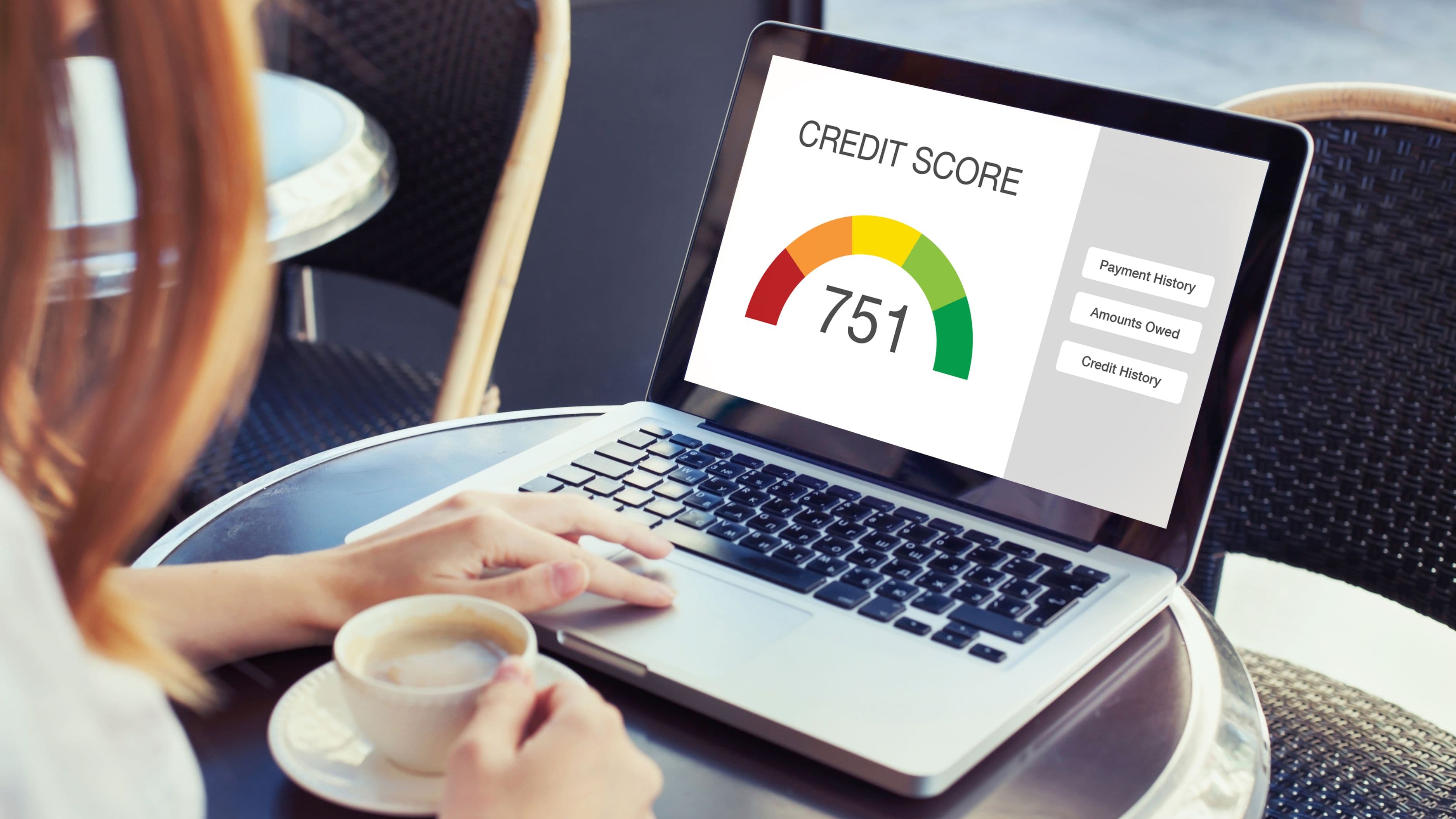
Do multiple accounts affect my credit score? No – bank accounts (checking and savings) don't factor into your credit score the way credit accounts do, since they aren't reported to credit bureaus in the same way.
Is this approach worth it if I don't have much money to separate yet? Yes – the organizational habit and psychological benefits apply even with smaller balances, and building the system early makes it easier to maintain as your savings grow.