

What a Mutual Fund Actually Is
A mutual fund pools money from many investors and uses it to buy a diversified collection of stocks, bonds, or other assets, managed by a fund company on behalf of everyone invested in it. Instead of buying individual stocks yourself and trying to build diversification from scratch, a mutual fund gives you a slice of a much larger, professionally managed portfolio through a single purchase.
Mutual funds are priced once per day, after the market closes, based on something called the net asset value (NAV) – essentially the total value of everything the fund holds, divided by the number of shares outstanding. This means that whether you place your buy or sell order at 10am or 3pm, you get the same end-of-day price, unlike stocks or ETFs that fluctuate throughout the trading day.
What an ETF Actually Is
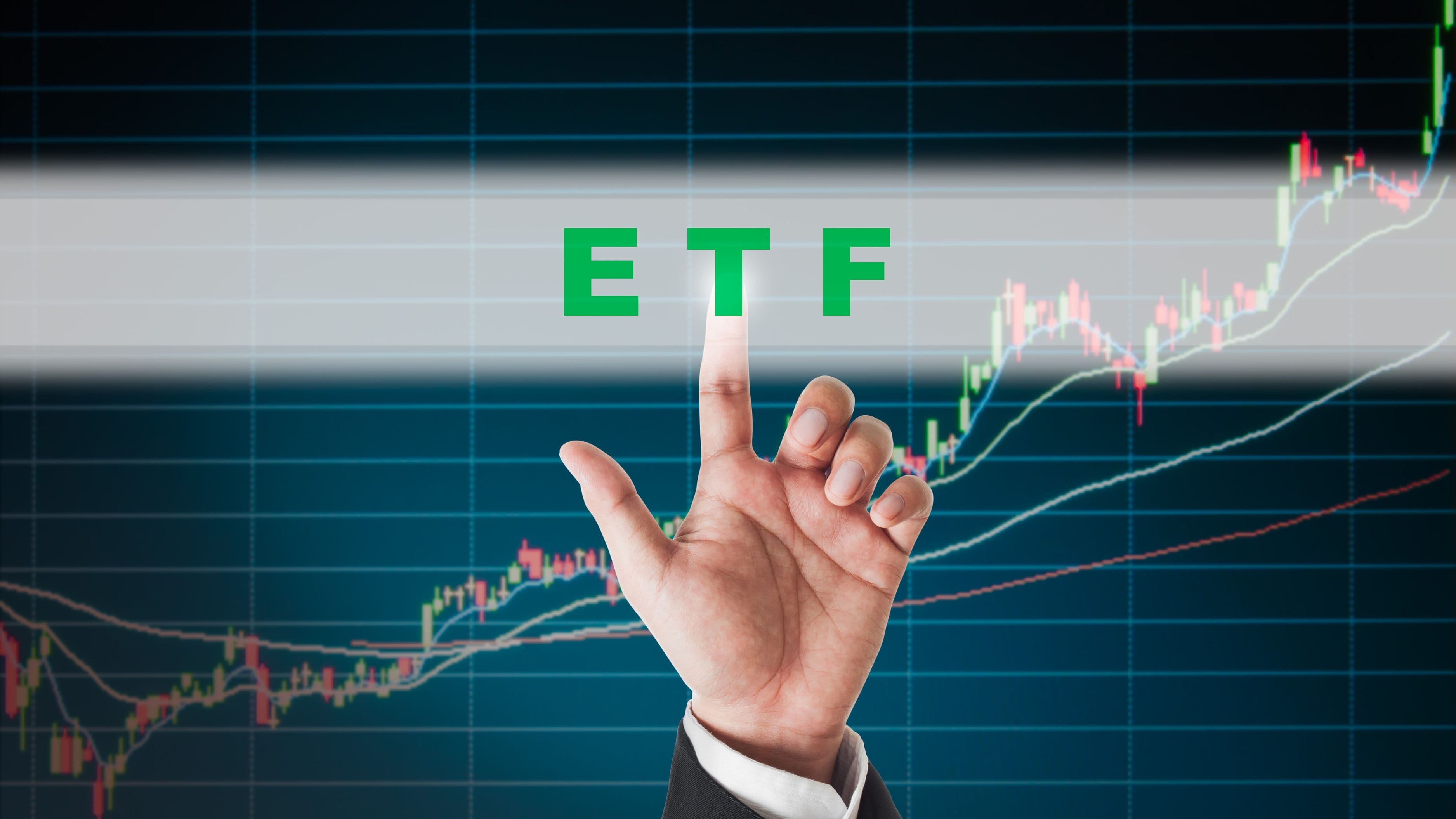
An ETF, or exchange-traded fund, also pools money to invest in a diversified basket of assets, but it trades on a stock exchange throughout the day just like an individual stock. This means the price of an ETF moves in real time based on supply and demand, and you can buy or sell at whatever the current market price is at any moment the market is open, rather than waiting for an end-of-day calculation.
Many ETFs track a specific index (like the S&P 500), which is why they're often associated with passive, low-cost investing, though actively managed ETFs exist too and have grown more common in recent years.
The Core Differences That Actually Matter for Your Money
How you buy and sell. Mutual funds settle at one price per day, while ETFs trade continuously throughout market hours at fluctuating prices. If you value the flexibility of buying or selling at a specific moment during the trading day, ETFs offer that in a way mutual funds simply don't.
Minimum investment requirements. Many mutual funds require a minimum initial investment, sometimes several hundred to a few thousand dollars, though this has been trending down over time. ETFs, by contrast, can typically be purchased for the price of a single share, and many brokerages now offer fractional shares, making it possible to start with a much smaller amount of money.
Expense ratios and fees. Both mutual funds and ETFs charge an expense ratio (an annual fee expressed as a percentage of your investment), but ETFs, especially those tracking a broad index, tend to have lower average expense ratios than comparable actively managed mutual funds. Actively managed mutual funds, where a manager is actively picking investments rather than tracking an index, typically carry higher fees to cover that active management.
Tax efficiency. This is one of the more overlooked differences. ETFs generally have a structural tax advantage due to how shares are created and redeemed behind the scenes, which tends to result in fewer taxable capital gains distributions passed on to investors compared to many mutual funds, particularly actively managed ones that buy and sell holdings more frequently. This doesn't mean ETFs are always more tax-efficient in every single case, but it's a meaningful pattern worth knowing if you're investing outside of a tax-advantaged account like a 401(k) or IRA.
Trading commissions. Most major brokerages have eliminated trading commissions for both mutual funds and ETFs in recent years, though it's still worth double-checking with your specific provider, since some mutual funds outside a brokerage's core lineup can still carry transaction fees.
What This Means for Your Money
If you're investing inside a workplace retirement account like a 401(k), you may not have much choice between the two – many employer plans offer a curated list of mutual funds, and your decision comes down to picking among those options based on fees and strategy fit. If you're investing through a personal brokerage account or IRA where both options are available, the lower average costs and tax efficiency of ETFs make them a reasonable default for many investors, particularly for straightforward, broad-market index exposure.
That said, cost and tax efficiency aren't the only factors. If you specifically want active management with the goal of outperforming an index (recognizing this comes with no guarantee and typically higher fees), a mutual fund built around that strategy might align with your goals better than a passive ETF tracking a broad index.
Common Mistakes to Avoid
Don't assume all ETFs are automatically cheaper or safer than all mutual funds – there are actively managed ETFs with high fees, and low-cost index mutual funds that rival ETF pricing. Always check the actual expense ratio rather than assuming based on fund type alone.
Avoid ignoring account type when thinking about tax efficiency. Inside a tax-advantaged account like a Roth IRA or 401(k), the tax efficiency differences between mutual funds and ETFs largely don't matter, since gains aren't taxed annually either way. The distinction becomes more relevant specifically in taxable brokerage accounts.
Key Takeaways
Mutual funds price once daily; ETFs trade throughout the day like stocks
ETFs often have lower minimum investments and more accessible entry points
ETFs tend to have a structural tax efficiency advantage in taxable accounts
Expense ratios vary within both fund types – always check the specific fund, not just the category
Your account type (401(k), IRA, or taxable brokerage) affects which differences actually matter for you
FAQ
Can I hold both mutual funds and ETFs in the same portfolio? Yes, plenty of investors hold a mix, particularly if their employer retirement plan offers mutual funds while their personal brokerage account offers ETF access.
Is one option objectively better for beginners? Not universally. ETFs' lower minimums and intraday trading flexibility appeal to many beginners, but a well-chosen low-cost mutual fund can perform very similarly for a long-term, buy-and-hold strategy.
Do ETFs and mutual funds carry the same investment risk? Risk depends on what the fund actually holds, not whether it's structured as a mutual fund or an ETF. A stock-heavy ETF and a stock-heavy mutual fund carry similar underlying investment risk, even though their trading mechanics differ.
Bottom Line
Mutual funds and ETFs both offer diversified, professionally assembled exposure to markets, but the mechanics – pricing, minimums, fees, and tax treatment – differ in ways that genuinely affect your returns over time. Neither is universally better; the right choice depends on your account type, how hands-on you want to be, and whether the specific fund's costs and strategy actually align with your goals. As always, this is general information, not a specific investment recommendation, so consider your own situation or talk to a financial professional before making investment decisions.
📚 Sources
U.S. Securities and Exchange Commission – Mutual Funds and ETFs: A Guide for Investors. investor.gov
FINRA – ETFs and Mutual Funds Overview. finra.org