


1. Pay Yourself First, Before Anything Else
Before bills, before discretionary spending, direct a set amount or percentage of every paycheck straight into savings or investments, ideally through an automatic transfer that happens the same day your paycheck lands. This flips the usual order most people follow, spend first, save whatever's left, which tends to result in very little actually being saved most months.
Even a modest percentage, 10% is a commonly cited starting target, though any consistent amount is better than none, adds up meaningfully over a year, and automating the transfer removes the willpower requirement of manually deciding to save each time. What this means for your money: consistency matters more than the specific amount when you're just building the habit, and you can adjust the percentage upward as your income grows or expenses shift.
2. Cover Your Fixed Expenses Immediately
Right after your automatic savings transfer, ensure your fixed, non-negotiable expenses, rent or mortgage, utilities, minimum debt payments, insurance, are accounted for before any discretionary spending happens. Some people find it useful to move these funds into a completely separate checking account specifically for fixed bills, which prevents the common problem of discretionary spending accidentally eating into money that was actually meant for rent.
This isn't about restricting yourself unnecessarily, it's about sequencing. Knowing your fixed obligations are covered before you spend on anything else removes a significant source of financial anxiety that builds when bills feel uncertain until the very last minute before they're due.
3. Add to Your Emergency Fund Until It's Fully Built
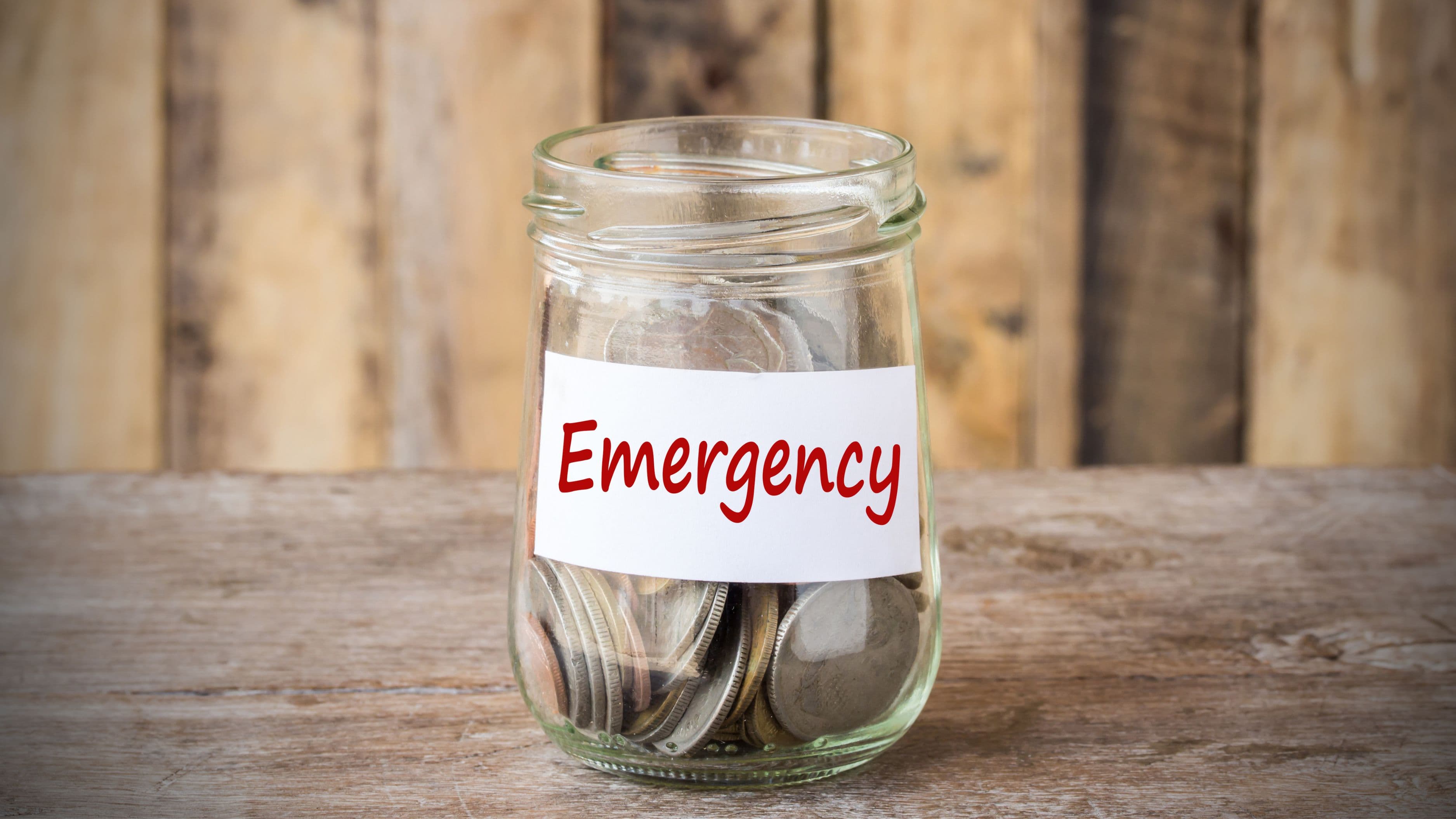
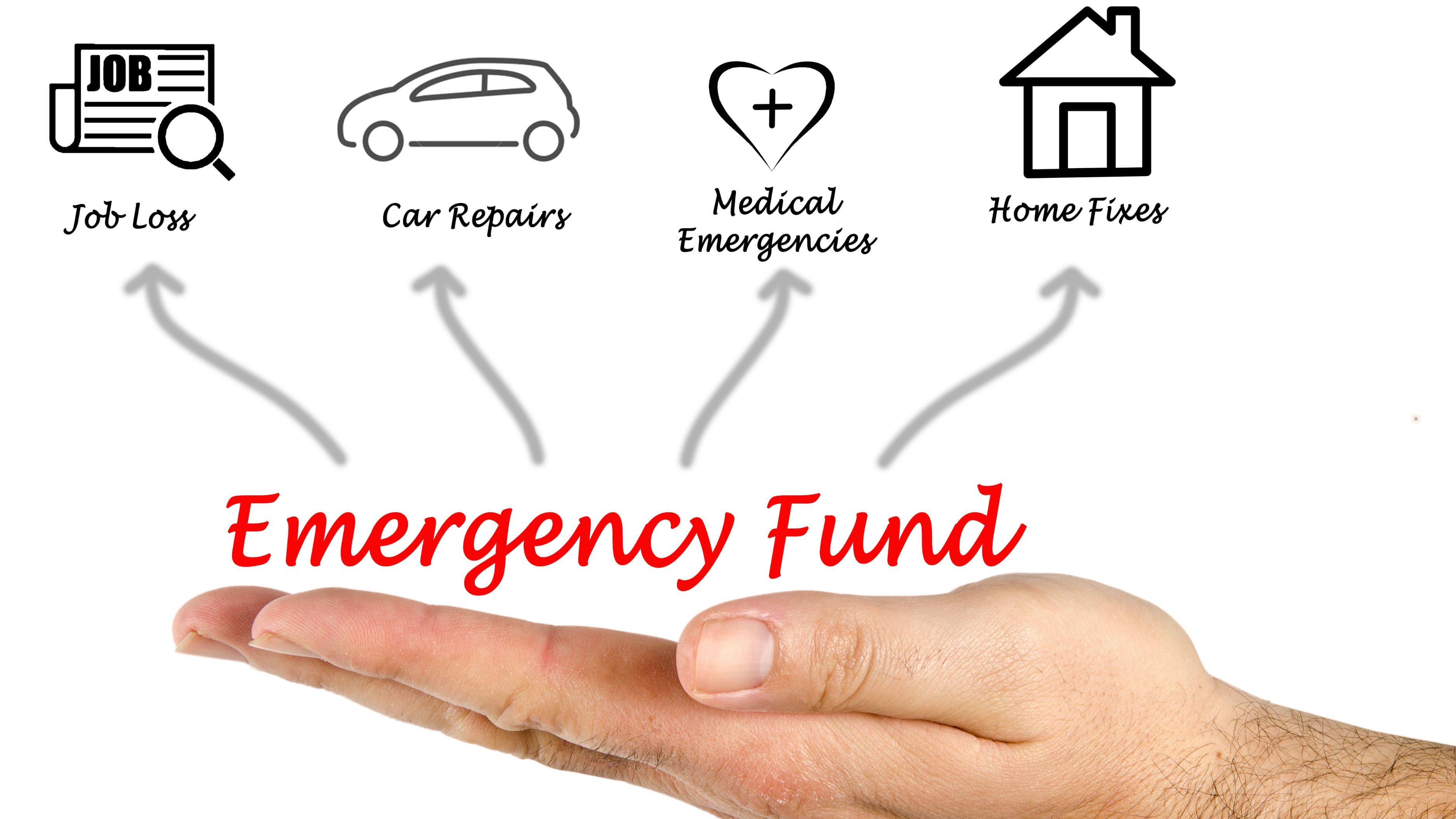
If your emergency fund isn't yet at a comfortable level, generally recommended as three to six months of essential expenses, though your specific number depends on job stability and other factors, treat contributing to it as a priority alongside your regular savings, not an afterthought you'll get to eventually. An underfunded emergency fund is one of the more common reasons people fall into high-interest debt when an unexpected expense hits, a car repair, a medical bill, a period of reduced income.
Once your emergency fund reaches your target level, you can redirect what you were contributing toward other financial goals, but until then, this specific fund deserves real priority given how much financial stability it provides when unexpected costs inevitably arise.
4. Make Extra Debt Payments if You're Carrying High-Interest Balances
If you're carrying credit card debt or other high-interest balances, directing any available extra money from each paycheck toward that debt, beyond the minimum payment, meaningfully reduces the total interest you'll pay over time and shortens how long you're carrying that balance. High-interest debt, particularly credit cards often carrying rates well above 20%, works against nearly every other financial goal you're simultaneously trying to build toward.
What this means for your money: the guaranteed "return" of eliminating high-interest debt, avoiding that interest rate going forward, is generally more valuable than most alternative uses of that same money, including many investment options, given how much interest compounds against you on unpaid high-rate balances.
5. Review and Adjust Before Spending Freely on Discretionary Purchases
After the above priorities are addressed, take a few minutes to glance at your budget and confirm what's genuinely left over for discretionary spending, dining out, entertainment, non-essential purchases, before spending freely on any of it. This isn't about eliminating enjoyment from your spending, it's about spending intentionally rather than by default, which tends to reduce the common experience of reaching the end of a pay period wondering where the money actually went.
This review doesn't need to be lengthy or complicated. A quick check-in, comparing what's left against your typical discretionary categories, is usually enough to catch any adjustments needed before the next paycheck arrives.
What to Avoid
Avoid treating "pay yourself first" as an all-or-nothing rule that only counts if you're saving a large percentage; a smaller, consistent amount that you actually maintain beats an ambitious target you abandon after two months. Avoid neglecting your emergency fund in favor of more exciting long-term investing goals, since an underfunded emergency fund often forces you into debt at exactly the moment you can least afford it.
It's also worth avoiding rigid, complicated budgeting systems that take significant time to maintain each paycheck; a habit that's simple enough to sustain consistently tends to outperform an elaborate system that gets abandoned after a few months due to its own complexity.
Key Takeaways
Applying this sequence, automated savings first, fixed expenses covered, emergency fund prioritized, high-interest debt addressed, and a brief review before discretionary spending, every time you're paid builds meaningful financial stability over time without requiring dramatic lifestyle changes or a higher income. The specific amounts and percentages should flex based on your individual situation, but the sequence itself, savings and priorities before free spending, is what actually drives the compounding benefit over months and years.
FAQ
What percentage of my paycheck should go to savings? 10% is a commonly cited starting point, though the right number depends on your specific expenses and goals; any consistent amount is more valuable than an ambitious target you can't sustain.
Should I pay off debt or build my emergency fund first? Many financial guidance sources recommend building a small starter emergency fund, often around $1,000, before aggressively attacking high-interest debt, then returning to fully build your emergency fund once that debt is addressed.
How do I automate these steps if my income varies month to month? Consider setting a baseline percentage rather than a fixed dollar amount, so your automatic transfers scale naturally with whatever a given paycheck actually brings in.
📚 Sources
Consumer Financial Protection Bureau – Building Financial Stability: https://www.consumerfinance.gov/
FINRA – Emergency Fund Basics: https://www.finra.org/investors/insights/emergency-fund