What Predictive Analytics Actually Means
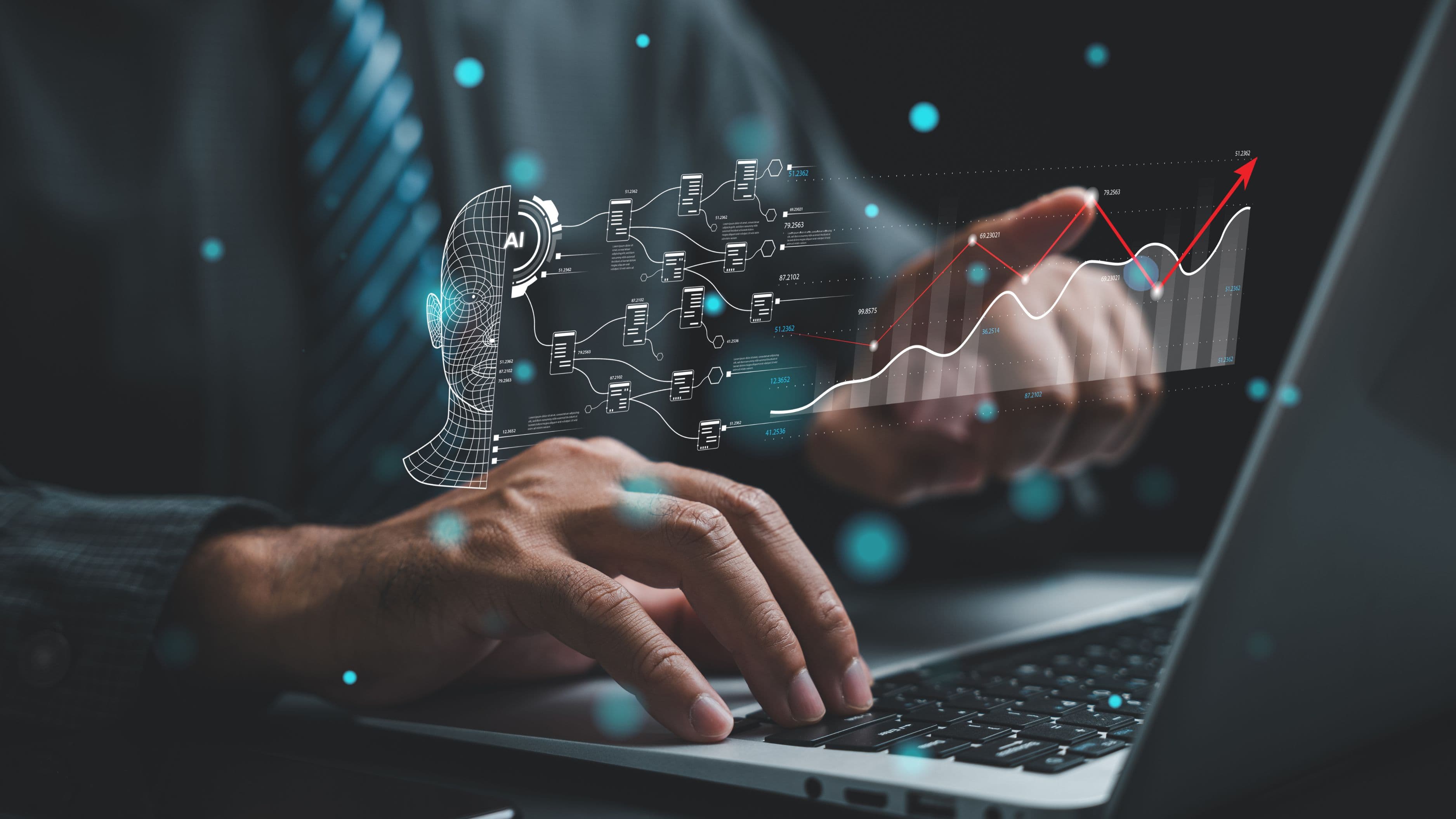
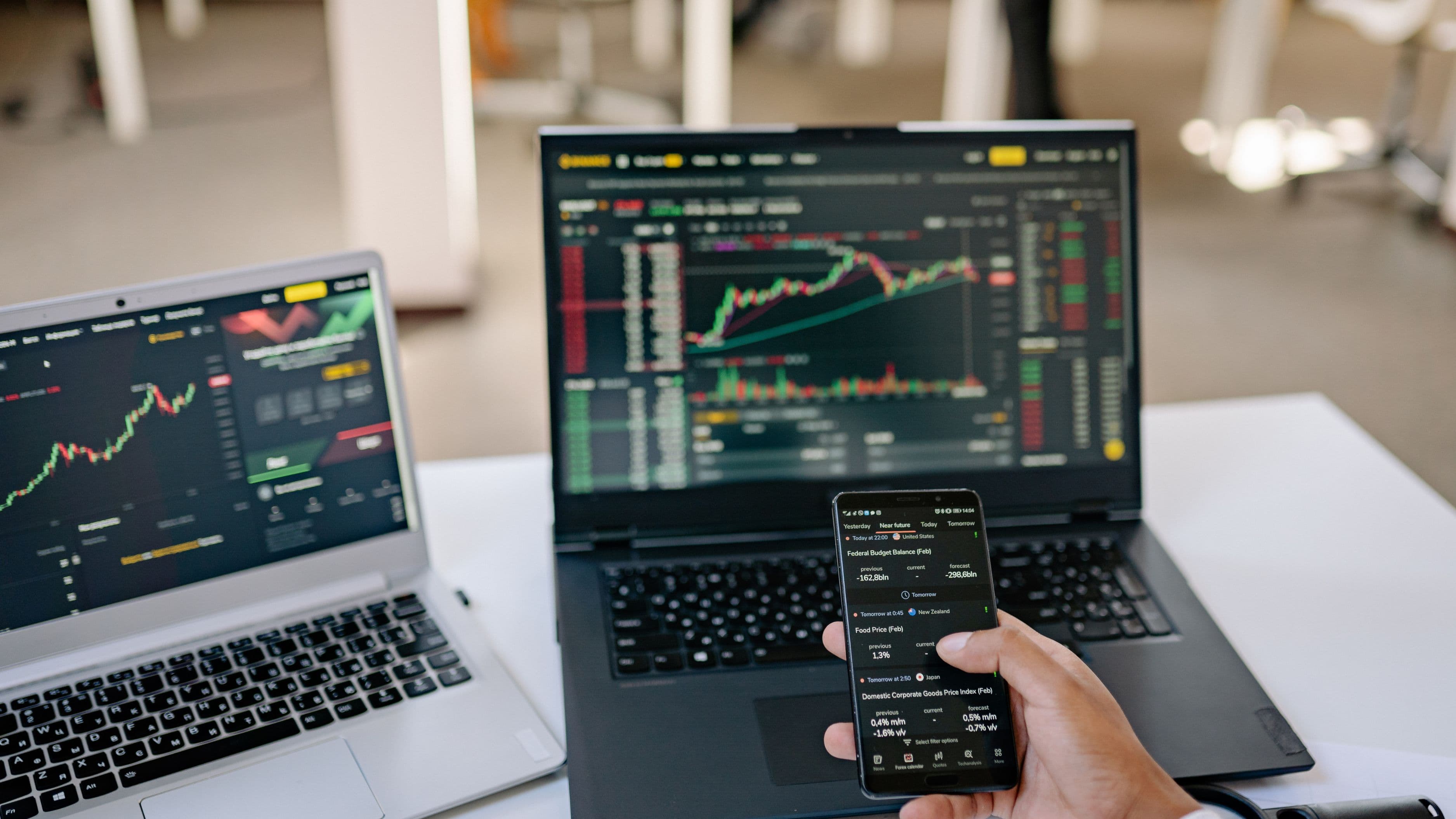
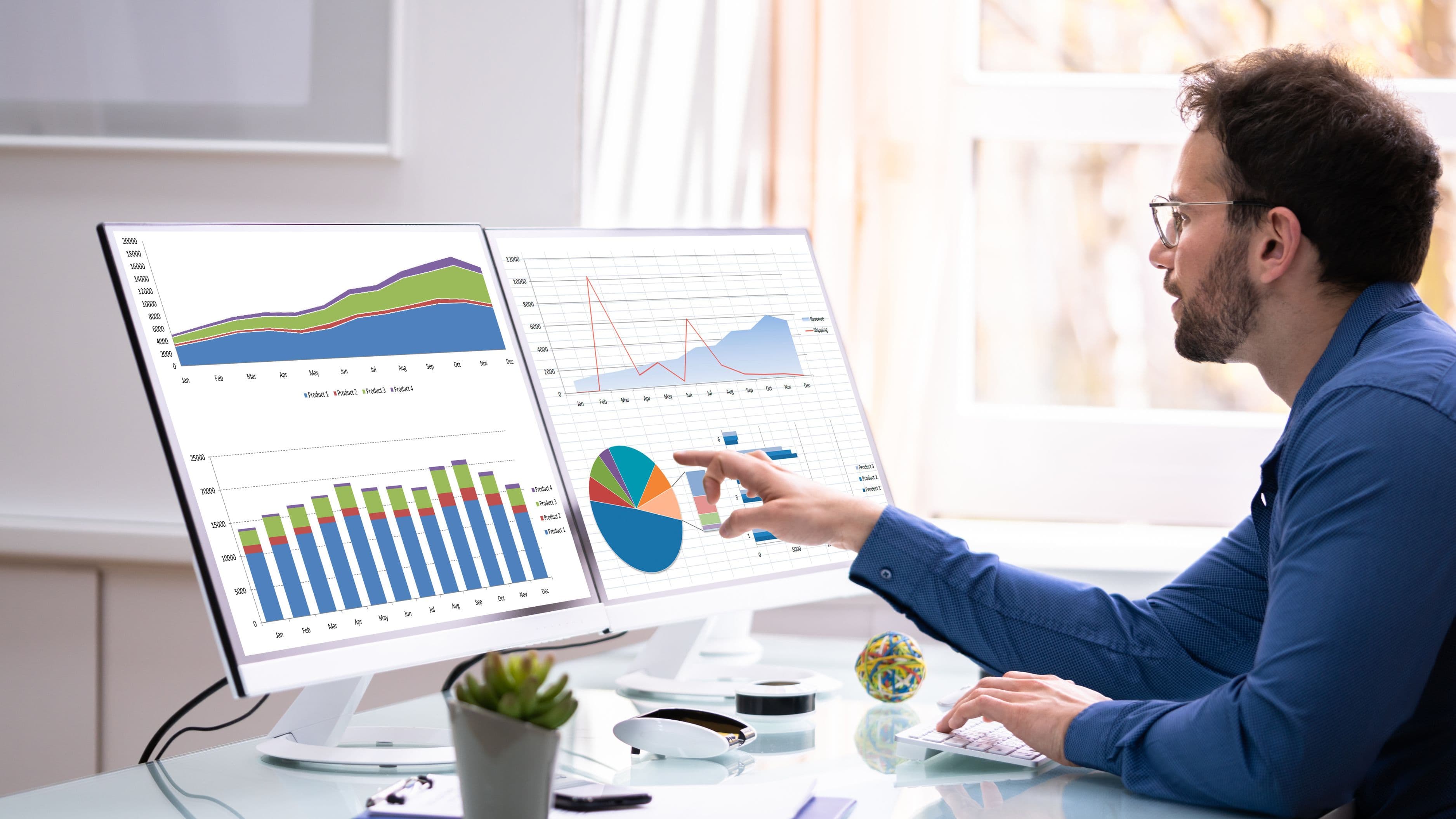
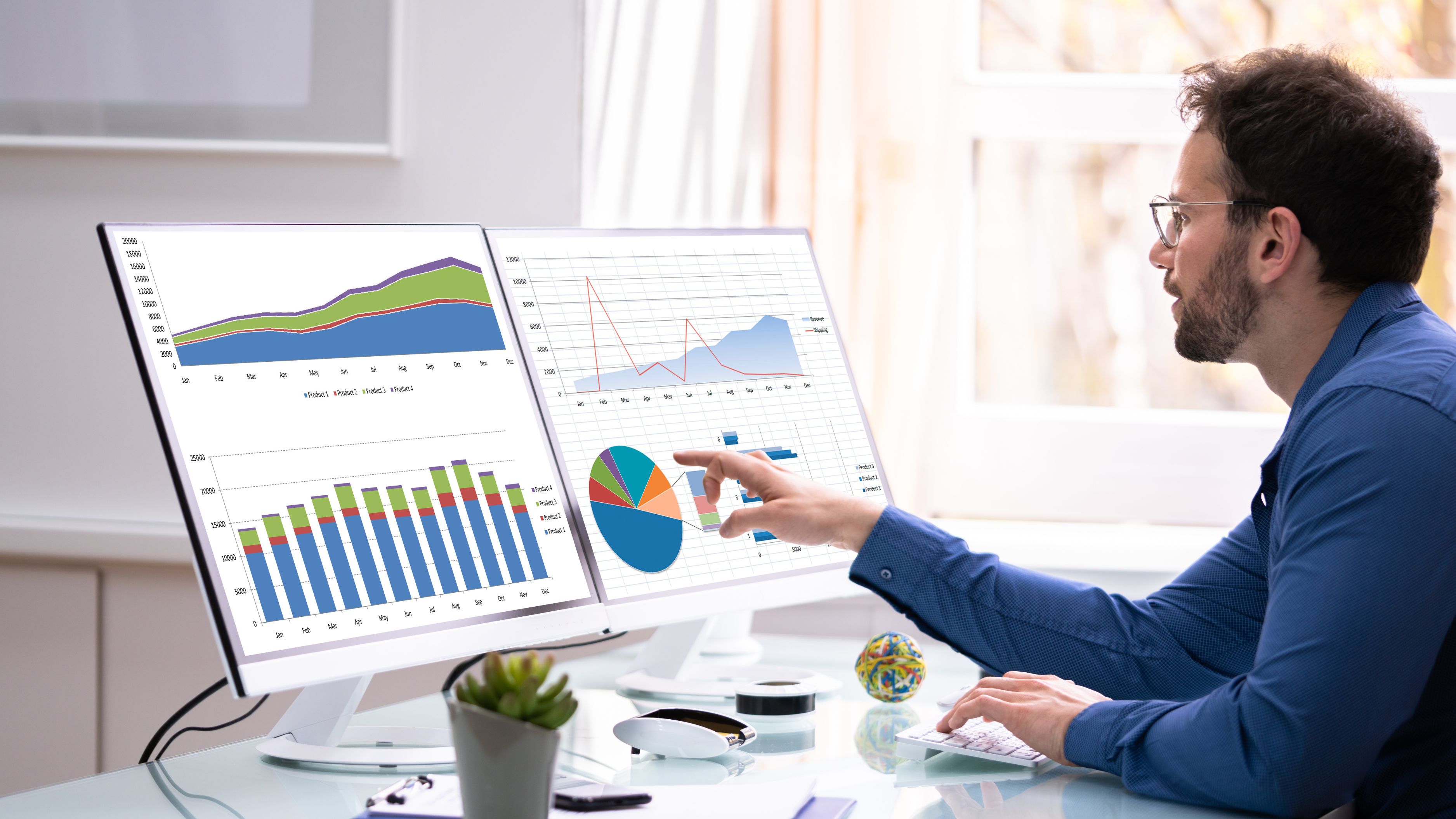
Predictive analytics uses your historical financial data, spending patterns, income timing, account balances, to forecast what's likely to happen next. Instead of just showing you what already happened in your account, as a traditional bank statement does, these systems analyze patterns across your transaction history to anticipate future events, a likely overdraft, an unusually large upcoming bill, or even a good moment to move money into savings.
What This Means for Your Money
The practical value here is that many financial apps now function less like passive record-keepers and more like early warning systems. If a predictive tool flags that your checking balance is trending toward a shortfall based on your typical spending pattern and upcoming known bills, you get a chance to adjust before the problem actually happens, rather than reacting to an overdraft fee after the fact. This shift from reactive to proactive is the core practical benefit for everyday users.
Where You're Already Encountering It
Most major banking apps now include some version of balance forecasting, showing you a projected balance over the next week or two based on scheduled payments and typical spending. Budgeting apps use similar predictive modeling to flag categories where you're likely to overspend before the month ends, based on your pace of spending relative to previous months. Some credit card issuers use predictive models to identify unusual spending that might indicate fraud, comparing a transaction against your typical patterns rather than relying on simple rule-based flags alone.
How Accurate Is It Really
Predictive models are only as good as the data feeding them, and they work best when your financial life follows relatively consistent patterns. If your income and expenses are fairly regular month to month, these predictions tend to be reasonably reliable for short-term forecasts, a week or two ahead. If your finances are more irregular, freelance income, inconsistent expenses, seasonal work, the predictions become considerably less reliable, since the underlying model has less consistent pattern to work from.
Benefits Worth Understanding
The most tangible benefit is early warning on cash flow problems, giving you a window to adjust spending or move funds before a shortfall actually occurs rather than after. Predictive tools can also highlight spending trends you might not consciously notice, a gradual creep in a specific category over several months, which is often harder to catch through manual review of statements. For fraud detection specifically, predictive models have measurably improved response times, catching unusual activity faster than earlier rule-based systems that simply flagged transactions above a fixed dollar threshold.
Limitations Worth Knowing
Predictive analytics isn't magic, and it can't account for genuinely new circumstances that don't match your historical pattern, a new job, a major life change, or a first-time large purchase. These tools also depend entirely on the completeness of the data connected to them, if you use cash frequently or maintain accounts the app isn't linked to, the predictions will be based on an incomplete picture of your actual finances. It's also worth remembering that these systems are built by private companies with their own business incentives, and predictions or suggested actions sometimes nudge toward products or features that benefit the platform, not necessarily your specific financial situation.
How to Use These Tools Wisely
Treat predictive alerts as a starting point for your own judgment rather than an automatic instruction to follow. If an app flags a likely shortfall, use that as a prompt to actually review your upcoming bills and spending rather than assuming the prediction is precisely correct. It's also worth periodically checking these forecasts against your actual bank balance and outcomes over a few months, giving you a realistic sense of how reliable the specific tool you're using tends to be for your particular financial pattern.
Realistic Expectations
Predictive analytics genuinely improves the usefulness of everyday financial apps, shifting them from passive tracking tools into something closer to an early warning system. It isn't a substitute for actually understanding your own budget and financial habits, and it works best as a supplement to your own awareness rather than a replacement for it. The accuracy will vary meaningfully based on how consistent your financial life is month to month, so treat forecasts as informed estimates rather than guarantees.
Key Takeaways
Predictive analytics in personal finance apps forecasts likely future account activity based on your historical spending and income patterns. It works best for people with relatively consistent, regular finances and less reliably for irregular income situations. These tools are valuable for catching cash flow problems early and spotting unusual spending that might indicate fraud, but they shouldn't replace your own regular budget review. Periodically checking a tool's predictions against your actual outcomes helps you calibrate how much weight to give its forecasts going forward.
FAQ
Do I need to do anything special to enable predictive features in my banking app? Most major banking and budgeting apps enable basic predictive features automatically once your account is connected, though some advanced forecasting tools require linking multiple accounts for a fuller picture of your finances.
Can predictive analytics actually prevent overdraft fees? It can meaningfully reduce your risk by giving you advance notice, but it's not a guarantee, since it depends on your accounts being fully connected and your spending pattern staying relatively consistent with your history.
Is my financial data safe when these tools analyze my spending patterns? Reputable financial apps use encryption and secure data-sharing standards, but it's still worth reviewing any app's privacy policy and only connecting accounts to tools from established, well-reviewed providers.
📚 Sources
Consumer Financial Protection Bureau – Financial Technology and Data Sharing: https://www.consumerfinance.gov/data-research/
Federal Trade Commission – Understanding Financial Apps and Your Data: https://www.ftc.gov/business-guidance/privacy-security