
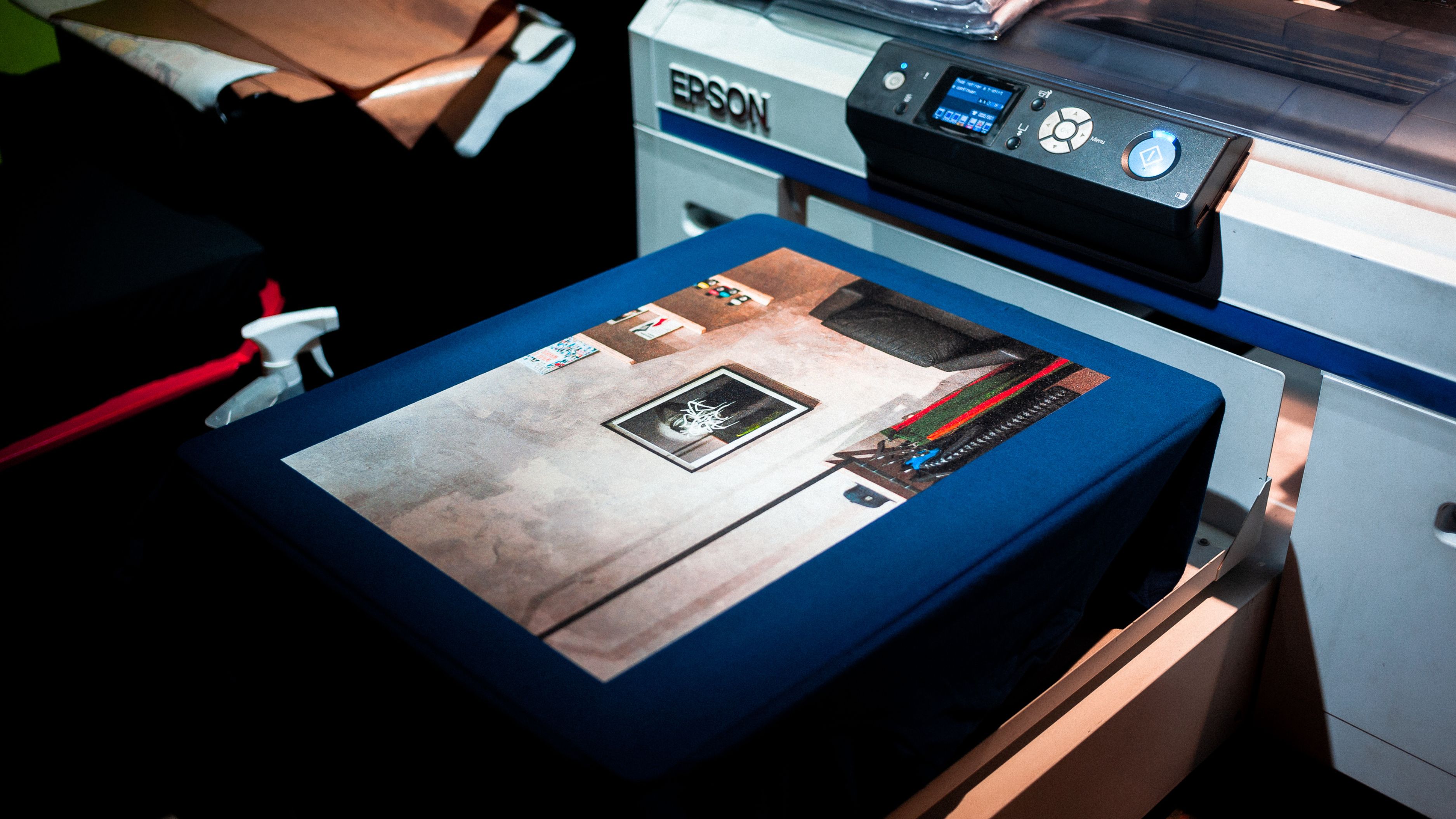
Here's an honest look at how print-on-demand works, what the actual numbers look like, and whether it makes sense to start in 2026.
What Print-on-Demand Actually Is
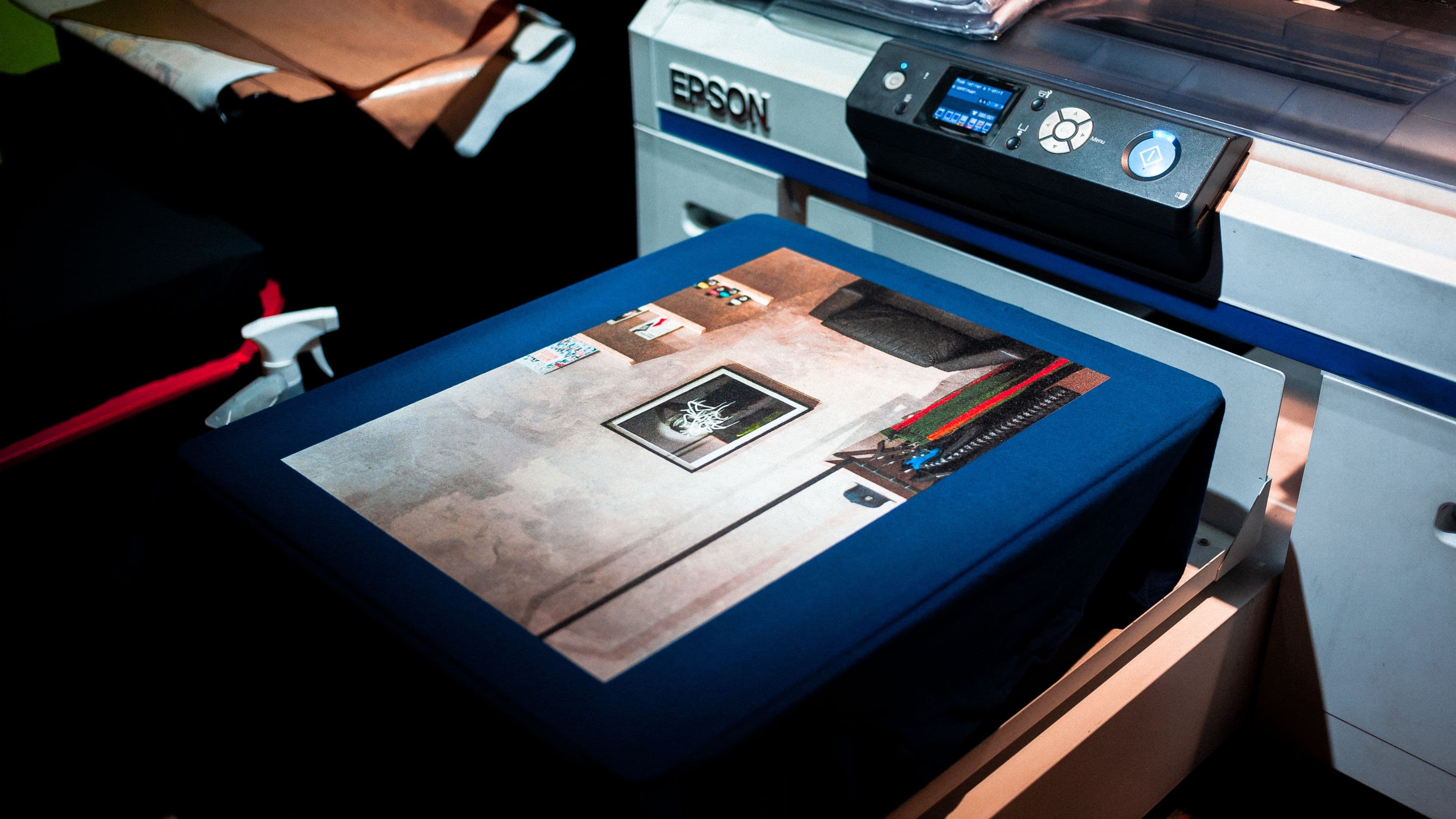
Print-on-demand (POD) is a fulfillment model where products are manufactured only when a customer places an order. You upload a design, a customer buys the product, the platform prints and ships it directly to them, and you receive the profit margin between what the customer paid and what the platform charged for production.
The most popular product categories are apparel (t-shirts, hoodies, sweatshirts), accessories (tote bags, hats, phone cases), and home goods (mugs, posters, wall art, throw pillows). You're not limited to one product type – most platforms let you apply the same design to dozens of items simultaneously, which means one solid design can generate a small product catalog without extra work.
The platforms doing the behind-the-scenes work are companies like Printful, Printify, Redbubble, Merch by Amazon, Teespring (now Spring), and Zazzle. Some act as production and fulfillment partners that connect to your own storefront (Shopify, Etsy, WooCommerce). Others are marketplace platforms where you upload designs and they handle everything, including traffic, in exchange for a larger share of the margin.
How the Money Works
This is where a lot of people get surprised, so it's worth being direct about it.
On a typical t-shirt retailing for $25, the production cost from a platform like Printful runs around $12–$14. Your profit is roughly $11–$13 before any costs on your end (platform fees, advertising, design costs). If you're selling through Etsy, add transaction fees of around 6.5% of the sale price plus a small listing fee. You're looking at a net margin of roughly $8–$10 per shirt in a well-run scenario.
That's not a bad margin – it's roughly 32–40% – but it requires volume to generate meaningful income. Ten sales a month earns you $80–$100. A hundred sales a month earns you $800–$1,000. Getting to consistent volume is the hard part, and it's where the business model requires real effort.
On marketplace platforms like Redbubble or Merch by Amazon, your margin is smaller because the platform handles traffic, but you also have less control over pricing and branding. Merch by Amazon is particularly competitive and limited by their invite-only tiered system, but it does put your products in front of Amazon's enormous customer base with no advertising required on your part.
The most common mistake new sellers make is assuming the income is passive from day one. Setting up designs takes time. Getting your first consistent sales takes longer. Building to a level that generates reliable monthly income can take six to twelve months of consistent effort, and that's assuming you're making smart decisions about niches and designs along the way.
What's Changed in 2026
Print-on-demand has been around long enough that the market has matured significantly. Here's what's different now compared to five years ago, and why it matters.
Competition is higher. Tools that make design easier and barriers to entry lower have brought in more sellers. The generic t-shirt market – basic text designs, trendy phrases, pop culture references – is saturated in most categories. This doesn't mean POD is over, but it does mean that standing out requires more intentional niche selection and design quality than it used to.
Niche specificity matters more. The sellers consistently succeeding in POD today are targeting specific audiences rather than general ones. A dog lover t-shirt is generic. A t-shirt specifically for owners of miniature Dachshunds who do agility competitions is niche. The latter has less competition, a more passionate buyer, and a higher willingness to pay. Finding and serving tight niches is the main lever that still creates meaningful opportunity in the current market.
Design quality expectations have risen. Buyers have seen a lot of print-on-demand products, and the tolerance for low-effort designs has dropped. Designs that look like they were made in Canva in 20 minutes face an uphill battle. Strong typography, original illustration, or clever conceptual design that genuinely appeals to a specific audience still converts well.
Integration with Etsy and social platforms has matured. The combination of a Printify-powered Etsy shop with targeted Pinterest or TikTok content is a well-established playbook now. Sellers who understand how to drive traffic from social content to their listings have a significant advantage over those waiting for organic Etsy discovery alone.
Where the Opportunity Still Exists
Despite higher competition, there are clear categories where POD remains genuinely viable in 2026.
Hyper-niche products for passionate communities consistently outperform broad generic offerings. Hobbyist communities, professional identities, regional loyalties, pet breeds, sports sub-cultures, and lifestyle tribes all represent audiences willing to spend on products that feel made specifically for them. The smaller the niche, the less competition and the more loyal the buyer.
Seasonal and event-driven products have a natural commercial cycle that rewards creators who plan ahead. Products tied to holidays, life events (graduations, retirements, milestone birthdays), and annual celebrations have predictable demand spikes that POD sellers can prepare for.
Custom and personalized products are a growing segment. Platforms like Printify and Printful support variable data printing – meaning products where a buyer can enter a name, date, or custom text. Personalized gifts consistently perform well because they solve a real purchasing problem (what do I get someone that feels thoughtful?) and command higher prices than generic alternatives.
Bundling designs with a content presence is becoming a stronger model than standalone shop-and-wait. Sellers who build an audience around a topic – a niche blog, a YouTube channel, a newsletter, a social account – and then sell products to that audience convert at much higher rates than sellers relying purely on marketplace discovery. This requires more effort but creates a more durable income stream.
The Realistic Starting Commitment
If you're thinking about starting a POD business, here's an honest picture of what the initial phase actually looks like.
Getting set up takes a few hours: creating accounts on a platform and a marketplace, connecting them, and uploading your first designs. That part is genuinely low-friction. The harder ongoing work is niche research (what audiences are underserved?), design creation (either developing your own skills or working with a designer), and marketing (how do people find your shop?).
Expect to invest several hours per week in the early months – more if you're creating your own designs, less if you're outsourcing design work. Initial income will likely be minimal or zero for the first few months while the shop builds history and listings. This is normal and expected, not a signal to quit.
Most successful POD sellers test multiple niches and designs before finding what resonates, treating early efforts as research rather than expecting early wins to be reliable.
Is It Worth Starting in 2026?
For the right person, yes – but "the right person" matters here.
POD makes sense if you have a genuine interest in a specific niche and want to build something around it, if you're comfortable with a slow build rather than quick returns, if you're willing to treat design quality and niche research seriously rather than just throwing generic designs at the wall, and if you can sustain the effort for six to twelve months before expecting meaningful income.
It doesn't make sense if you're looking for fast money, if you're unwilling to invest time in learning what niches and designs actually sell, or if you expect passive income from day one with minimal ongoing effort.
The people thriving in POD in 2026 are treating it as a real small business with a low barrier to entry – not as a side hustle that runs itself.
Key Takeaways
Print-on-demand is a legitimate income model with a low upfront cost and a clear pathway to scale, but it rewards patience and specificity more than it rewards speed and breadth. Here's what to take away if you're considering it:
Niche tightness is your biggest lever. The more specifically you can identify and serve a passionate audience, the less competition you face and the higher your conversion rate.
Margins are real but require volume. A 30–40% margin per product sounds good, but it takes consistent sales volume to translate into meaningful monthly income. Build volume expectations into your plan from the start.
Traffic is your responsibility. Whether through Etsy SEO, social content, or an existing audience, you need to actively drive people to your products – the platform alone won't do it, especially in competitive categories.
Quality investment pays off. Better designs, better product mockups, and better shop presentation directly affect conversion rates. The investment in design quality is one of the highest-return efforts in this model.
Treat early months as testing, not income-generating. Use the first six months to learn what your specific audience responds to, not to build income expectations around early results.
FAQ
How much does it cost to start a print-on-demand business? You can start for close to zero – most platforms are free to join and only charge production costs when a sale occurs. If you sell through Etsy, there are small listing fees ($0.20 per listing) and transaction fees on sales. Optional costs include design software, professional mockups, or outsourced design work, but none of these are required to get started.
Do I need design skills to do print-on-demand? Not necessarily. Many sellers use Canva, Adobe Express, or similar tools to create text-based and simple graphic designs without prior experience. You can also hire designers on platforms like Fiverr or Creative Market for one-off designs. That said, design quality directly affects sales, so developing your skills or investing in good design pays off.
Which platform is best for beginners in 2026? Etsy paired with Printify or Printful is the most common and recommended starting point for most beginners. Etsy provides a built-in buyer audience and search functionality. Redbubble is easier to start (no separate storefront needed) but offers less control and lower margins. Merch by Amazon is worth pursuing but requires an application and starts you at a limited tier.
How long until I see consistent sales? Most sellers see sporadic early sales in the first few months and more consistent volume in months four through twelve as listings age, SEO improves, and the product catalog grows. Sellers who actively drive traffic through social or content marketing typically accelerate this timeline.
Is print-on-demand saturated? The generic end of the market is highly competitive. Well-researched niche markets with strong design quality are not. The answer depends almost entirely on which part of the market you're entering.
📚 Sources
Printful – How Print-on-Demand Works: https://www.printful.com/blog/what-is-print-on-demand
Printify – Print-on-Demand Business Guide: https://printify.com/blog/print-on-demand/
Etsy – Seller Fees and Transaction Costs: https://www.etsy.com/seller-handbook/article/understanding-fees-on-etsy/22283751765
Redbubble – How Artists Earn on Redbubble: https://www.redbubble.com/blogs/artist-resources/how-artists-earn-on-redbubble
Amazon Merch on Demand – Program Overview: https://merch.amazon.com/landing