If you've been wondering whether now's the time, here are five signs that suggest you're actually in a good position to start, and what each one means for your money going forward.
1. You've Got High-Interest Debt Under Control
Before putting money into the market, it's worth taking an honest look at any high-interest debt sitting on credit cards or personal loans. Credit card interest rates commonly run in the 20%+ range, and no mainstream investment reliably outpaces that cost consistently enough to make sense mathematically. Paying down high-interest debt is effectively a guaranteed "return" equal to whatever interest rate you're eliminating, which is hard for any investment to beat with certainty.
This doesn't mean every dollar of debt needs to be gone before you invest a cent – lower-interest debt, like some student loans or a mortgage, doesn't carry the same urgency. But if you're carrying a meaningful credit card balance month to month, that's usually the higher financial priority, and getting it under control (even if not fully eliminated) is a real sign you're in a better position to start investing without working against yourself.
What this means for your money: Redirecting even a portion of what you'd put toward investing into high-interest debt first can save you more, dollar for dollar, than most investments are likely to earn you over the same period.
2. You Have an Emergency Fund, Even a Small One
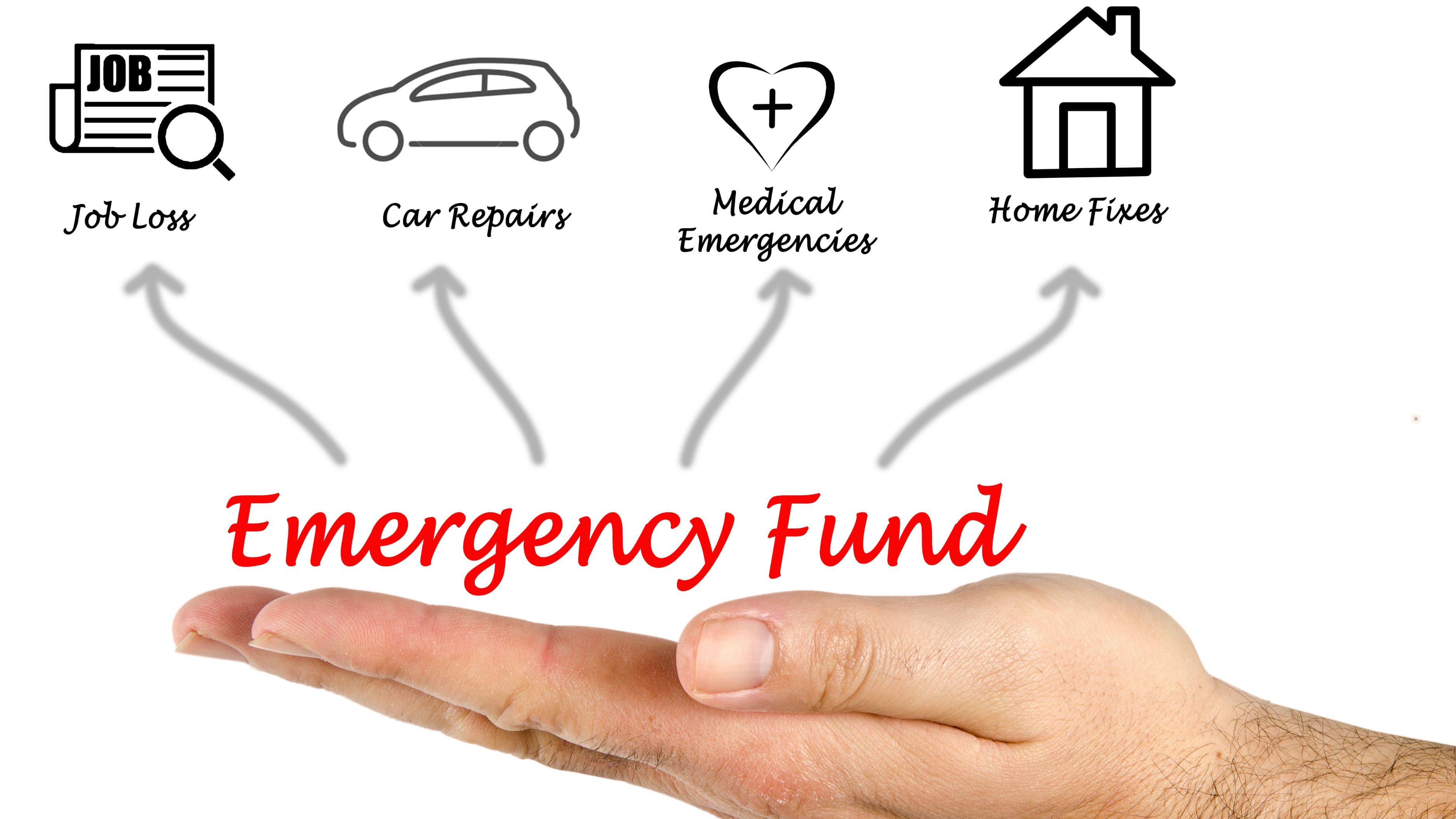
Investing works best with money you don't need to touch for a while, since markets fluctuate and selling investments during a downturn to cover an unexpected expense can lock in losses you'd otherwise have had time to recover from. That's why having some emergency savings set aside – even if it's not the full three-to-six-months-of-expenses ideal often recommended – is a meaningful sign you're ready to start investing without putting yourself in a tough spot later.
A fully-funded emergency fund isn't a strict prerequisite for investing your very first dollar, but having at least a partial cushion (even $500–$1,000 to start) reduces the odds that a car repair or medical bill forces you to pull investments out at an inconvenient time. The two goals – building savings and starting to invest – don't have to be sequential; many people work on both at once, just with savings getting priority until a basic cushion exists.
What this means for your money: Having a cushion means your investments can stay invested through short-term dips instead of being cashed out at exactly the wrong moment to cover an emergency.
3. You Understand That Investing Involves Real Risk
This sign is less about your bank account and more about your mindset. If you're going into investing expecting steady, guaranteed growth with no dips along the way, that's a sign you might not be ready yet – not because you lack money, but because unrealistic expectations often lead to panic-selling during a normal market downturn, which tends to lock in losses rather than ride them out.
Being ready to invest means understanding, at a basic level, that markets go up and down, that a diversified portfolio (spread across many companies or asset types rather than concentrated in one) reduces risk without eliminating it, and that short-term account balance drops are a normal part of long-term investing rather than a sign something's gone wrong. This understanding doesn't require deep financial expertise – it just requires going in with realistic expectations rather than assuming investing is a guaranteed path to quick gains.
What this means for your money: Realistic expectations make you far less likely to make a costly emotional decision, like selling during a downturn, which is one of the most common ways new investors lose money that a more patient approach would have recovered.
4. You Have Money You Won't Need for Several Years
Investing tends to work best with a time horizon of at least three to five years, and ideally longer, since that gives your investments time to recover from short-term market dips. If the money you're considering investing is money you might need for a near-term goal – a wedding next year, a car you're planning to buy soon, rent due next month – that's a sign it probably belongs in a savings account instead, not in the market.
This is one of the clearest, most practical signs of readiness: not "do I have extra money," but "do I have money I genuinely won't need for several years." If the answer is yes, even for a modest amount, that money is a reasonable candidate for investing. If every dollar you have is earmarked for something in the near future, it's worth waiting until you've built a bit more breathing room before starting.
What this means for your money: Money with a long time horizon can ride out market ups and downs without forcing you to sell at a bad time, which is a big part of what makes long-term investing work in the first place.
5. You're Curious Enough to Want to Understand the Basics
The last sign is less about your finances and more about your mindset toward learning. You don't need to become a financial expert before investing your first dollar, but showing some genuine curiosity – wanting to understand what an index fund is, how a brokerage account works, or why diversification matters – is a good sign you're approaching investing thoughtfully rather than just chasing a hot tip or trend you saw online.
This curiosity doesn't need to turn into hours of research before you start. Many first-time investors begin with simple, diversified options like a low-cost index fund while continuing to learn as they go, rather than waiting until they feel like an expert. The goal is a baseline understanding of what you're doing and why, not mastery before you begin.
What this means for your money: A basic understanding of what you're invested in and why makes you far less likely to panic or make impulsive changes when the inevitable market swings happen.
Key Takeaways
If most of these signs sound familiar – manageable debt, a starter emergency fund, realistic expectations, money you won't need soon, and some genuine curiosity – you're likely in a reasonable position to start investing, even with a modest amount. None of these signs require having a large sum of money saved up; they're about the state of your broader financial picture and mindset, not a specific dollar threshold.
If several of these don't apply yet, that's not a failure – it's simply useful information about what to prioritize first. Getting high-interest debt under control or building even a small emergency cushion now can put you in a stronger position to invest later without the stress of doing it on shaky financial ground.
FAQ
Do I need a lot of money to start investing? No. Many brokerages and investment apps allow you to start with small amounts, sometimes as little as a few dollars, particularly with fractional shares or low minimum-investment funds.
Should I pay off all my debt before I start investing? Not necessarily all of it – high-interest debt like credit cards is usually worth prioritizing first, but lower-interest debt, like some mortgages or federal student loans, doesn't carry the same urgency and can often be managed alongside investing.
What if I start investing and then need the money unexpectedly? This is exactly why having an emergency fund matters before investing meaningfully – it reduces the chances you'll need to sell investments at an inconvenient time to cover an unexpected cost.
📚 Sources
"Saving and Investing: A Roadmap to Financial Security" – U.S. Securities and Exchange Commission, sec.gov
"Building an Emergency Fund" – Consumer Financial Protection Bureau, consumerfinance.gov
"Understanding Investment Risk" – FINRA, finra.org