

Here's what this means for your money and how to build a plan that's realistic enough to stick with.
Start With What You Actually Spend, Not What You Think You Spend
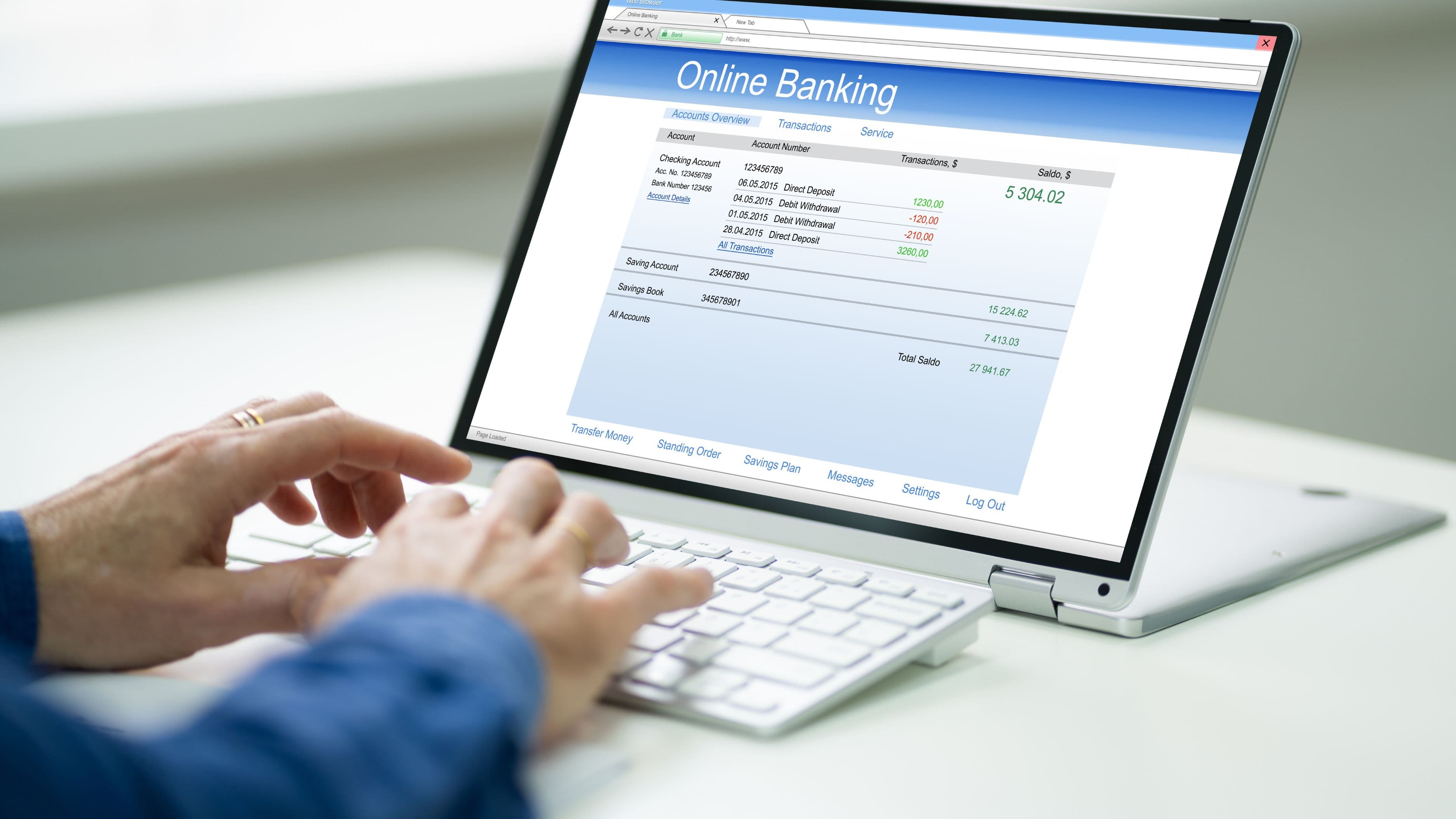
Before building any plan, pull three months of actual bank and card statements and categorize every transaction honestly, including the ones that feel embarrassing or impulsive. Most people significantly underestimate certain categories – dining out, subscriptions, and small recurring purchases tend to be the biggest blind spots, since no single transaction feels significant even though the total often is.
This step matters because a spending plan built on inaccurate assumptions about your current habits is set up to fail from day one. You can't realistically adjust a category you don't know the true size of, and guessing tends to be wrong in the direction that makes the eventual plan feel unnecessarily restrictive.
Separate True Fixed Costs From Flexible Ones
Once you have an honest picture of your spending, sort it into what's genuinely fixed (rent or mortgage, insurance, minimum debt payments, utilities) versus what's flexible (groceries, entertainment, dining out, discretionary shopping). This distinction matters because your spending plan should treat these two categories very differently – fixed costs are largely non-negotiable in the short term, while flexible costs are where a realistic plan actually has room to adjust.
What this means for your money is that a sustainable spending plan doesn't try to squeeze your fixed costs into an arbitrary percentage; it works within what those costs actually are and focuses adjustment energy on the flexible category, where change is genuinely achievable without constant friction.
Build Around Your Actual Income Pattern, Not an Average
If your income is variable – common for freelancers, commission-based workers, or anyone with irregular hours – building a spending plan around a monthly average can create real problems in leaner months. A more realistic approach is planning around your lowest realistic monthly income for essential expenses, then treating anything above that baseline in higher-earning months as available for savings, debt paydown, or planned larger expenses.
For people with steady, predictable income, this is less of a concern, but it's still worth accounting for genuinely irregular costs – car maintenance, annual insurance premiums, holiday spending – by building a small monthly amount into the plan for these rather than treating them as unexpected surprises each time they occur.
Give Yourself a Realistic Buffer Category
One of the most common reasons spending plans fail is that they allocate every dollar to a specific category with no room for the small, inevitable deviations that come up in real life – a friend's birthday dinner, an unplanned home repair, a subscription price increase you didn't notice. Building in a modest buffer category, even just 5 to 10 percent of your monthly income, absorbs these normal fluctuations without requiring you to abandon the entire plan the first time something unexpected comes up.
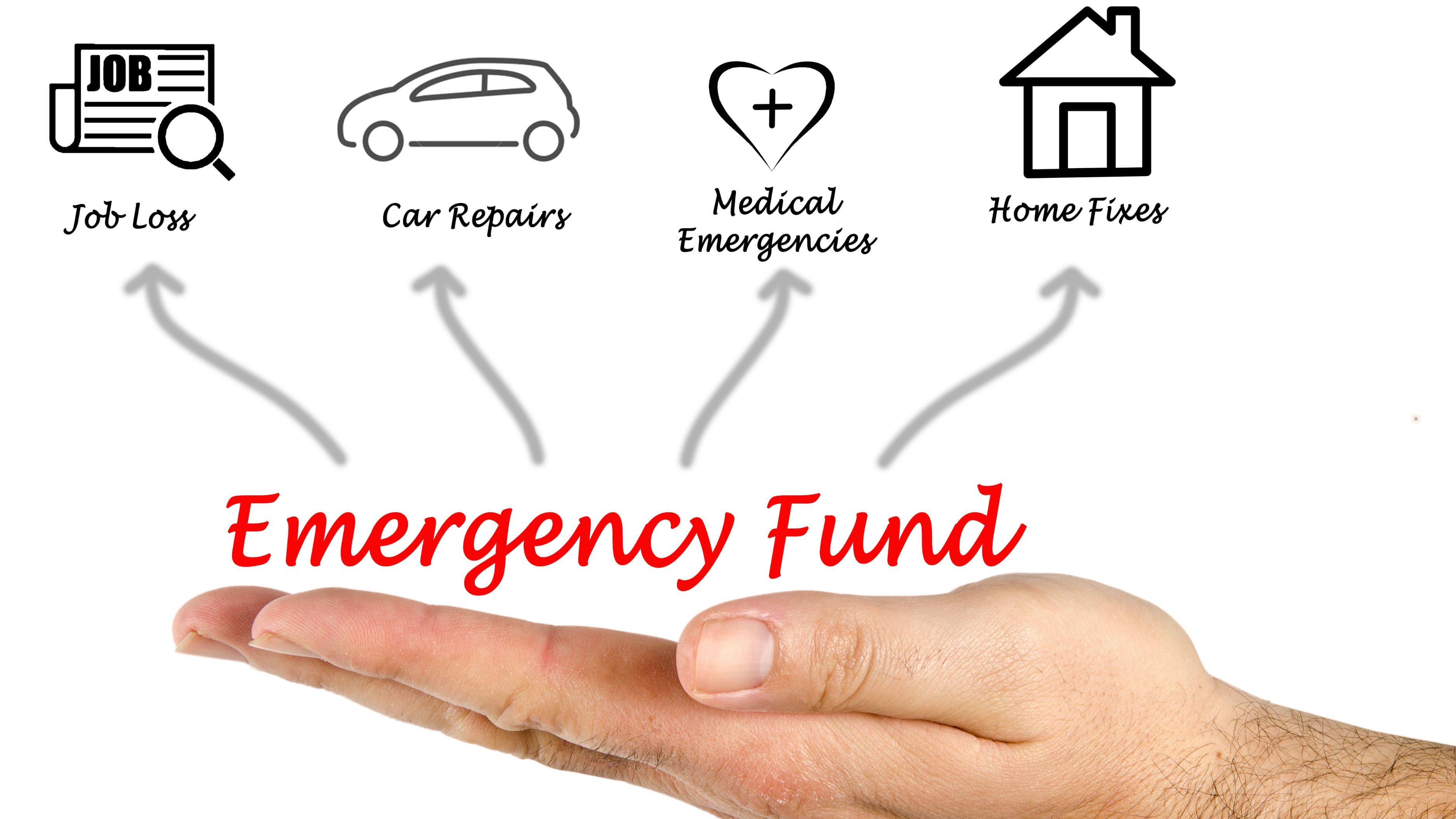
This buffer isn't the same as your emergency fund, which should remain separate and reserved for larger, genuinely unplanned expenses. Think of it instead as breathing room within your monthly plan itself, there specifically because real life doesn't fit neatly into fixed category totals every single month.
Revisit and Adjust Every Few Months
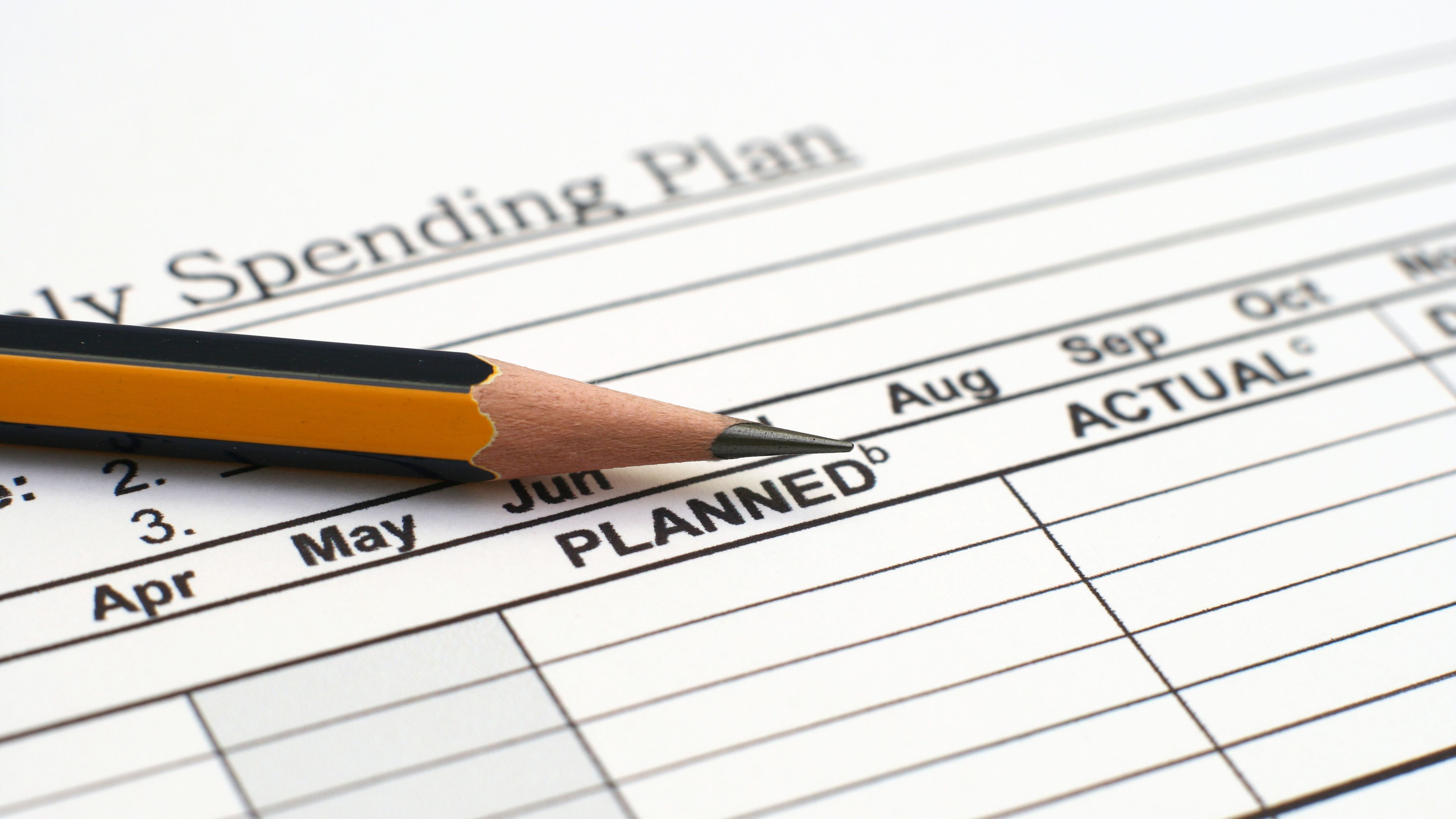
A spending plan built around your life today may not fit your life in six months, especially after a change in income, a move, or a shift in personal priorities. Building in a brief review every three months – checking whether your categories still reflect your actual spending and adjusting where they don't – keeps the plan realistic over time rather than becoming an outdated document you eventually stop following altogether.
This review doesn't need to be extensive; comparing your planned categories against your actual spending for the past quarter and adjusting the numbers that consistently miss the mark is usually enough to keep the plan honest and usable.
What to Avoid
Avoid copying a generic percentage-based budget template without checking whether it actually fits your income level and cost of living, since a rigid 50/30/20 split can be completely unrealistic in a high-cost area or with genuinely fixed costs that exceed 50 percent of income. It's also worth avoiding an overly punitive approach to flexible spending categories – cutting entertainment and dining out to zero rarely lasts, and a plan that leaves no room for enjoyment tends to get abandoned faster than one with modest, realistic room for it.
Don't ignore irregular expenses simply because they don't happen monthly – car repairs, annual fees, and holiday spending are predictable in aggregate even if the exact timing varies, and failing to plan for them is a common reason people feel like their budget "never works."
Realistic Expectations
A spending plan built around your actual patterns, rather than an idealized version of your finances, takes a few months to fully calibrate, since the first version is rarely perfect and needs adjustment as you see how it holds up against real spending. It's reasonable to expect some categories to need revision after the first month or two – that's a normal part of building something that actually reflects your life, not a sign the process has failed.
FAQ
How often should I check in on my spending plan? A brief weekly check-in to track spending against your categories, paired with a more thorough review every three months, tends to keep a plan realistic without becoming a constant source of stress.
What if my income changes significantly? Rebuild your plan around the new income level as soon as the change feels stable rather than temporary, adjusting both fixed and flexible categories to reflect your new reality rather than trying to stretch an outdated plan.
Should I use an app or a spreadsheet to track spending? Either works, and the better choice is whichever one you'll actually use consistently – some people find automated tracking apps easier to maintain, while others prefer the control of a manual spreadsheet.