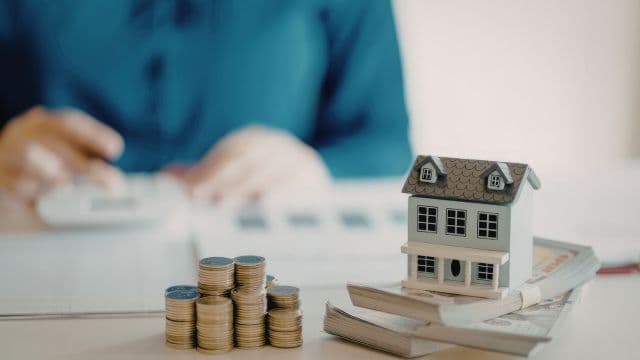

The reality is more nuanced, and in many housing markets right now, it's actually wrong. Whether renting or buying makes more financial sense depends on where you live, how long you plan to stay, what you'd do with the money you're not putting into a deposit, and what the actual cost of homeownership looks like once you get past the mortgage payment. For many people, renting is not just acceptable – it's the smarter financial move.
Here's what the numbers actually say.
Where the "Throwing Money Away" Idea Comes From
The idea has a logic to it. When you rent, your monthly payment goes to a landlord and you build no equity. When you pay a mortgage, part of each payment reduces your loan balance and you're gradually building ownership of an asset. On that narrow comparison, buying looks obviously better.
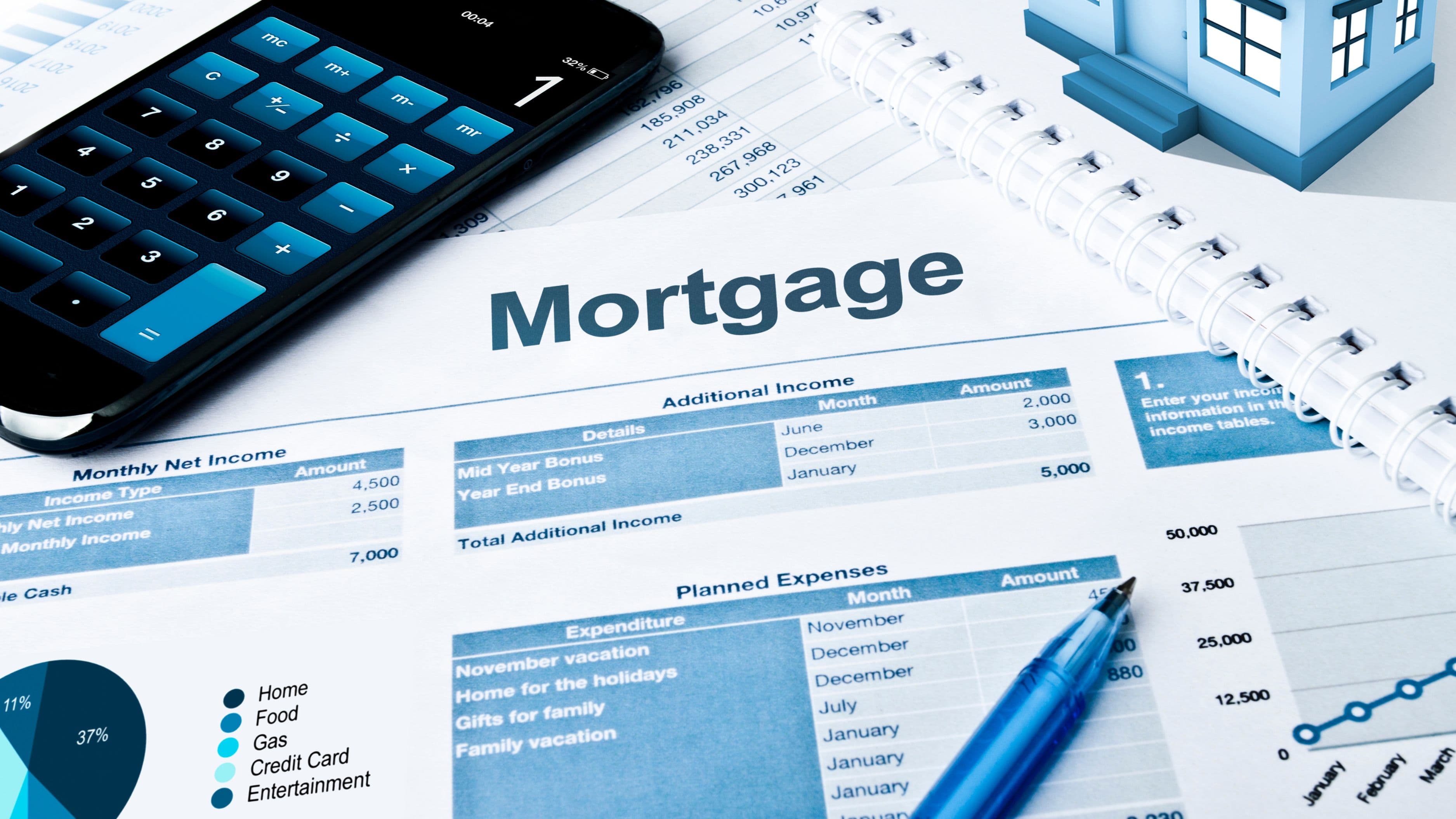
But that comparison leaves out a lot. It ignores the interest you pay on a mortgage – particularly in the early years, when the vast majority of each payment goes to the bank, not your equity. It ignores the costs of buying: conveyancing fees, stamp duty or transfer tax, survey costs, mortgage arrangement fees. It ignores ongoing ownership costs: buildings insurance, maintenance, repairs, service charges, ground rent. And it ignores the opportunity cost of the deposit – the £20,000, £50,000, or £100,000+ that a homebuyer ties up in a property rather than investing elsewhere.
When you account for all of those costs, the financial comparison between renting and buying becomes much closer than the conventional wisdom suggests.
The Real Cost of Buying a Home
Let's put some numbers around it. In the UK, the average first-time buyer deposit is currently around 15–20% of the purchase price. On a £300,000 property, that's £45,000–£60,000 upfront. Stamp duty on that purchase adds roughly £5,000. Legal fees and survey costs add another £2,000–£3,000. So before you've made a single mortgage payment, you've spent somewhere between £52,000 and £68,000.
The mortgage itself on £240,000–£255,000 at current rates (which as of 2025 remain significantly higher than the historic lows of the early 2020s) will cost around £1,100–£1,400 per month on a 25-year repayment mortgage. Of that, in the first few years, interest alone accounts for roughly 60–70% of the payment. You are, in that sense, also "throwing money away" – just to a bank rather than a landlord.
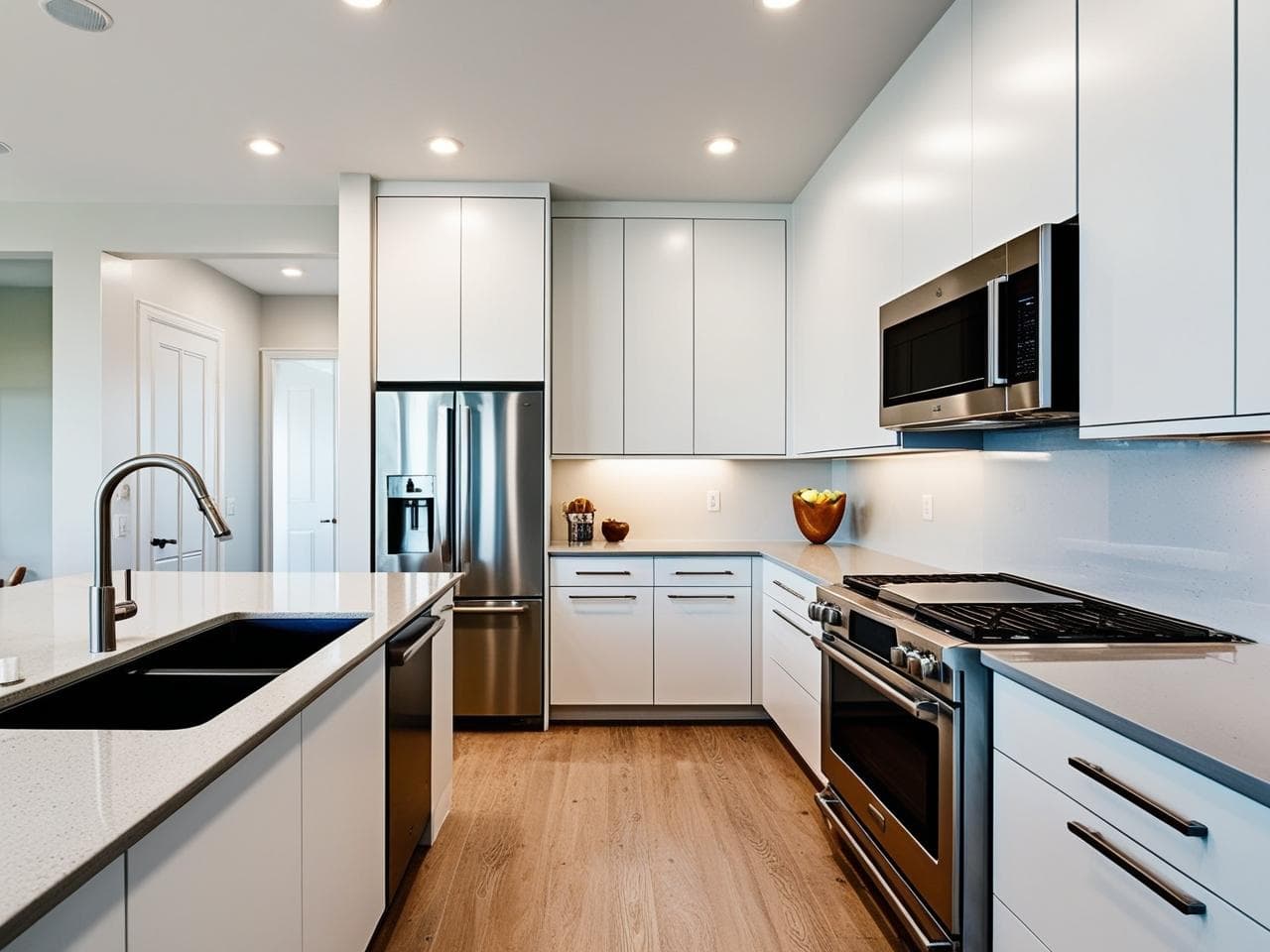
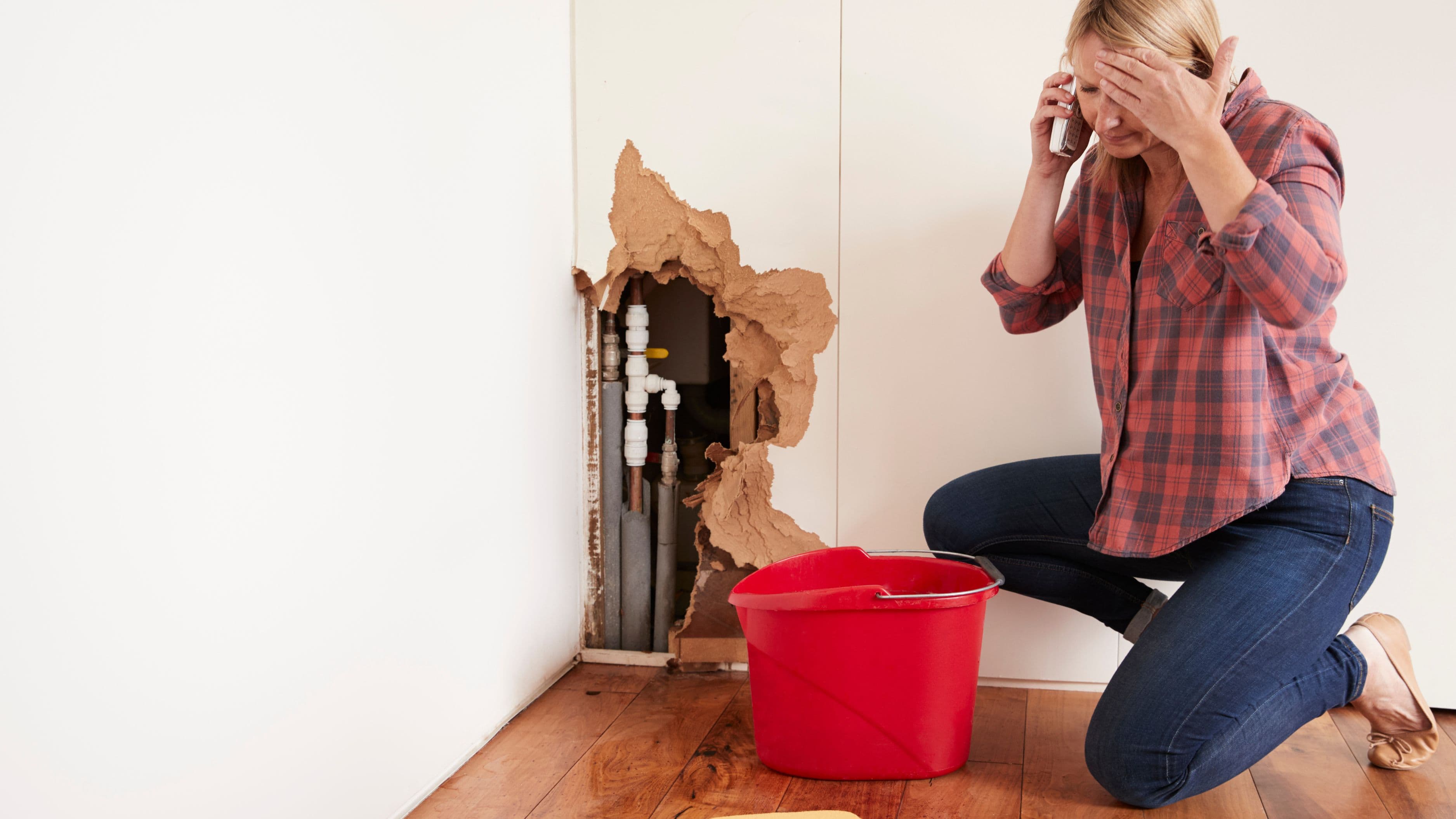
Add in maintenance costs (a general rule is 1–2% of a property's value per year for upkeep), building insurance, and any service charge on a flat, and the true monthly cost of ownership is often higher than the mortgage payment suggests. A £250,000 flat with a £1,200/month mortgage might realistically cost £1,500–£1,700/month all-in when you factor in insurance, maintenance reserves, and service charges.
What Renting Actually Provides
What renters are paying for isn't nothing. They're paying for flexibility – the ability to move city for a job without the cost and delay of selling a property. They're paying for financial simplicity – no large capital tied up, no exposure to property market falls, no bill for the boiler when it breaks. And they're paying to keep their savings liquid and investable rather than locked into bricks and mortar.
That last point is significant. A renter who keeps their would-be deposit invested in a diversified portfolio isn't simply choosing not to save – they're potentially growing that money. A £50,000 deposit invested over 10 years at an average 7% annual return (roughly in line with long-run equity market performance) becomes around £98,000. A homeowner's £50,000 deposit has, in the same period, been earning the capital appreciation on their property – which in some markets has been strong, and in others has been modest or flat in real terms.
Neither outcome is guaranteed. Property markets can and do fall. Investment returns vary. But the honest framing is that a renter isn't burning money – they're making a different bet about what to do with their capital.
When Buying Makes More Financial Sense
None of this means renting is always the right call. In specific circumstances, buying clearly makes more financial sense.
If you plan to stay in the same area for at least five to seven years, buying generally wins on balance. The upfront transaction costs of purchasing a home are significant, and they only make sense if you hold long enough to recoup them through equity growth and the avoided rent increases you'd have faced as a tenant. The shorter the holding period, the worse the maths look for buying.
If you're in a market where rental costs are high relative to purchase prices – the rent-to-price ratio – buying may be cheaper month-to-month even accounting for all ownership costs. In some parts of the country, particularly outside major cities, this is the case. Buying a house in a smaller town where property prices are relatively low but local rents are high can make strong financial sense that it simply doesn't replicate in London, Edinburgh, or Bristol.
Buying also makes sense if you value the certainty and stability that ownership provides. Being free from landlord decisions – rent increases, eviction, property sale – is a real financial benefit that's hard to fully quantify but genuinely affects quality of life and financial planning. If you have children in a school you want to stay near, or you're settled in a community and don't want disruption, the non-financial case for ownership is strong and legitimate.
When Renting Is the Smarter Move
Renting is genuinely the better financial choice in several situations that apply to a lot of people right now.
If you live in a high-cost urban market – central London, Edinburgh, Manchester city centre, many comparable cities internationally – and haven't been able to accumulate a large deposit, the alternative to renting isn't buying. It's buying somewhere you don't want to live, or buying a property that doesn't suit your needs. Renting where you actually want to be, and investing the difference, is often the more financially productive strategy.
If your income is variable, your employment situation is uncertain, or you're in a period of significant life change – new relationship, new career, considering moving abroad – the flexibility of renting is a financial hedge, not a waste. Being stuck in a property you need to sell in a hurry is expensive. Renting and moving when you need to costs one month's notice.
And if current mortgage rates mean that buying a comparable property would cost significantly more per month than renting it, the maths genuinely favour renting and investing the difference until the rate environment changes. This situation – where renting is materially cheaper than owning on a monthly basis – is more common in the current rate environment than it has been at any point in the past fifteen years.
What This Means for Your Money
The decision between renting and buying is genuinely one of the biggest financial choices most people will make, and it deserves better than a cliché. Here are the practical takeaways worth holding on to.
The "throwing money away" framing is misleading because ownership also involves significant non-equity costs – interest, maintenance, and transaction fees – that renters avoid. The honest comparison includes all of those. Renting is not automatically worse financially. In high-cost markets, at current mortgage rates, for people without large deposits, or for anyone whose life circumstances might change in the next few years, renting is often the more sensible financial position.
The deposit you're not putting into property isn't wasted if it's being invested elsewhere. If your money is sitting in a savings account earning below the rate of inflation, that's a different conversation. But a renter who invests their deposit equivalent in a Stocks and Shares ISA or pension is not falling behind a homeowner financially – they may be keeping pace or doing better, depending on local property market performance.
If you are planning to buy, focus on the total cost of ownership, not just the mortgage payment. Factor in your deposit opportunity cost, transaction costs, maintenance, and insurance. Calculate the monthly cost-per-year you'll hold the property. And be realistic about how long you'll stay – five to seven years is the threshold below which buying rarely makes sense on pure financial grounds.
Finally, if you're renting and feeling pressured by the "throwing money away" narrative, it's worth separating the financial question from the emotional and social one. Owning a home carries real social meaning for many people, and that's legitimate. But it's a separate question from whether buying is the optimal financial decision for your specific situation right now. Those two things don't have to give the same answer.
Frequently Asked Questions
Does renting always mean you're building no wealth? Not if you're investing the capital you'd otherwise lock up in a deposit and transaction costs. Building wealth through investing while renting is a real and valid strategy. What matters is whether you're doing something productive with the difference, not whether it's going into property specifically.
Is it worth buying just to avoid rent increases? Rent increases are a real cost of renting, and long-term tenants in rising rental markets do face meaningful cumulative increases. However, mortgage rate refixes can also increase housing costs significantly – as many borrowers discovered in 2022–2023. Fixed-rate mortgages offer temporary certainty, not permanent protection against rising costs.
How do I calculate whether it's cheaper to rent or buy in my area? The rent-to-price ratio is a useful starting point: divide the annual rent for a comparable property by its purchase price. If that ratio is above 5%, renting tends to be more expensive than ownership over the long term in that market. Below 4%, buying is generally more competitive. The New York Times Rent vs Buy calculator is a useful tool for more detailed comparison, and UK-focused tools are available through MoneySavingExpert.
What if I can't afford to buy right now – am I behind? Not necessarily. Many people in their 20s and 30s are renting in markets where buying simply isn't accessible without significant family help, and that reflects housing market conditions more than financial failure. The more useful question is what you're doing with the money you're not spending on a deposit – saving it, investing it, or spending it tells you more about your financial trajectory than your tenure status alone.
The Bottom Line
Renting is not throwing money away. It's an exchange of money for housing, flexibility, and preserved capital – the same as any other financial decision. Whether it's the right exchange for you depends on your market, your timeline, your savings, and your life plans. In the right circumstances, buying is unambiguously the better long-term financial move. In many others, renting and investing the difference is equally sound or better. The cliché has lasted this long because it contains a grain of truth. But grains of truth make poor financial plans.
📚 Sources
UK Finance – First-time buyer statistics 2024: https://www.ukfinance.org.uk/data-and-research/data/mortgages/first-time-buyers
HM Revenue & Customs – Stamp Duty Land Tax rates: https://www.gov.uk/stamp-duty-land-tax/residential-property-rates
MoneySavingExpert – Should you rent or buy?: https://www.moneysavingexpert.com/mortgages/rent-or-buy
Bank of England – Mortgage interest rates data: https://www.bankofengland.co.uk/statistics/mortgage-lender-statistics
ONS – UK House Price Index: https://www.ons.gov.uk/economy/inflationandpriceindices/bulletins/housepriceindex/latest
The New York Times – Is It Better to Rent or Buy?: https://www.nytimes.com/interactive/2024/upshot/buy-rent-calculator.html