
Here's what this means for your money and a practical approach to saving for something big without quietly raiding the fund that's supposed to be there for real emergencies.
Why Mixing the Two Creates Real Risk
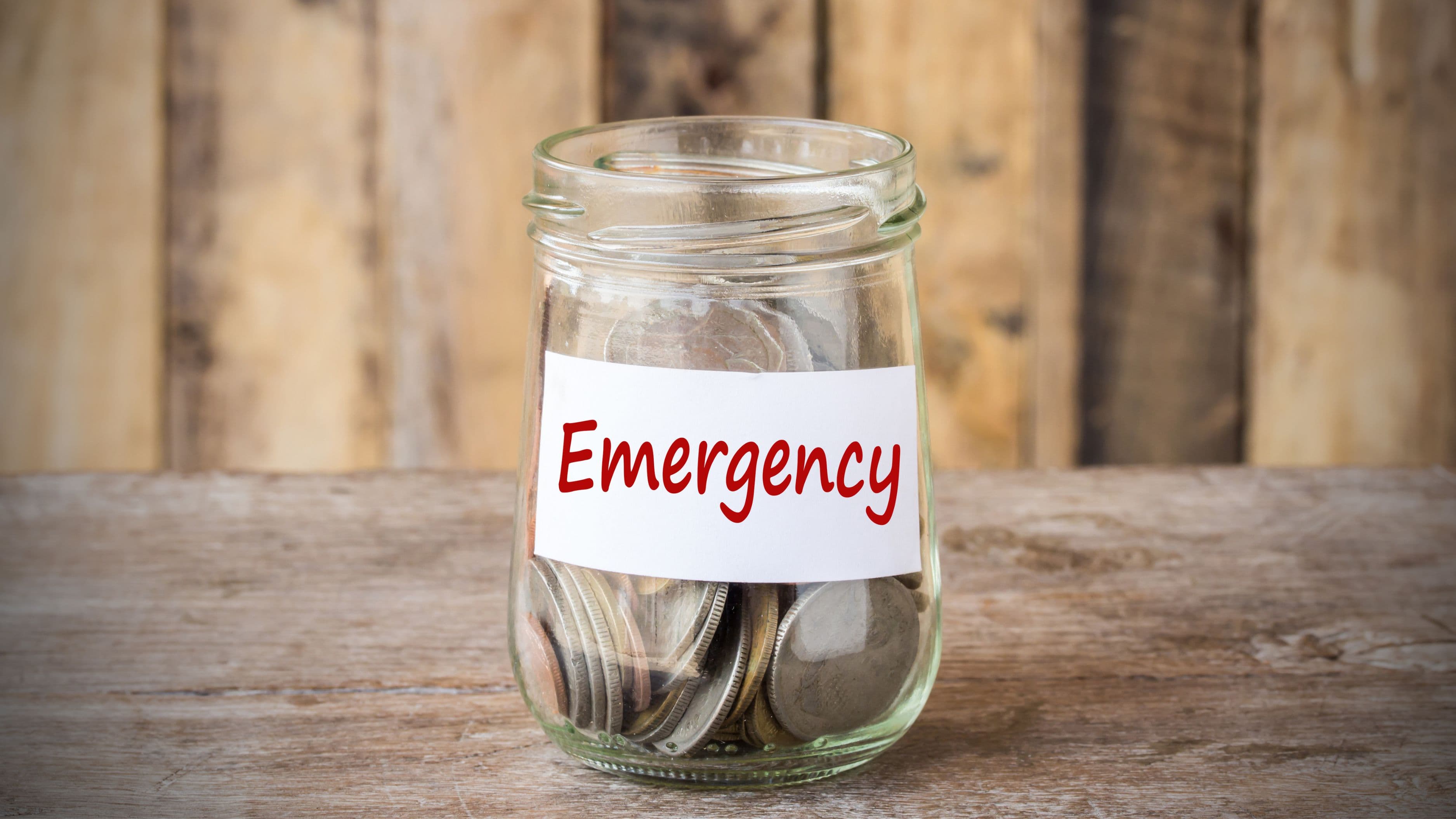
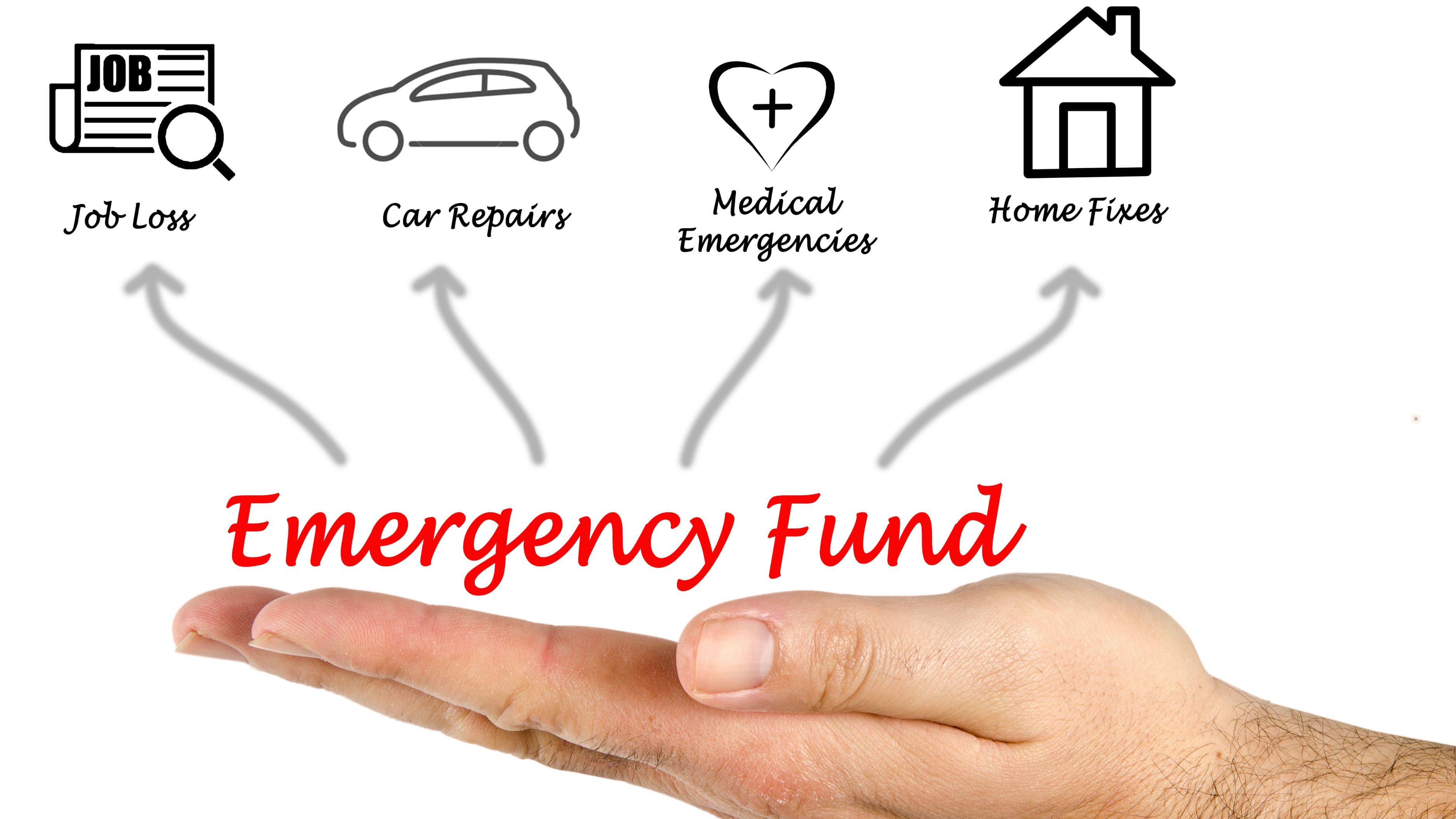
Your emergency fund exists to cover genuinely unplanned events: a job loss, a medical bill, an unexpected repair. A big purchase, even an exciting one, is a planned expense, which means it deserves its own separate savings plan rather than borrowing against the fund meant for the unplanned. When the two get mixed together, you lose clarity on how protected you actually are if something unexpected happens right after a big purchase.
This distinction matters practically, not just philosophically. If you dip into your emergency fund for a purchase and then face a real emergency a month later, you're now dealing with both a depleted safety net and the stress of the original emergency at the same time, a genuinely worse position than if you'd kept the two separate from the start.
Set Up a Dedicated Sinking Fund
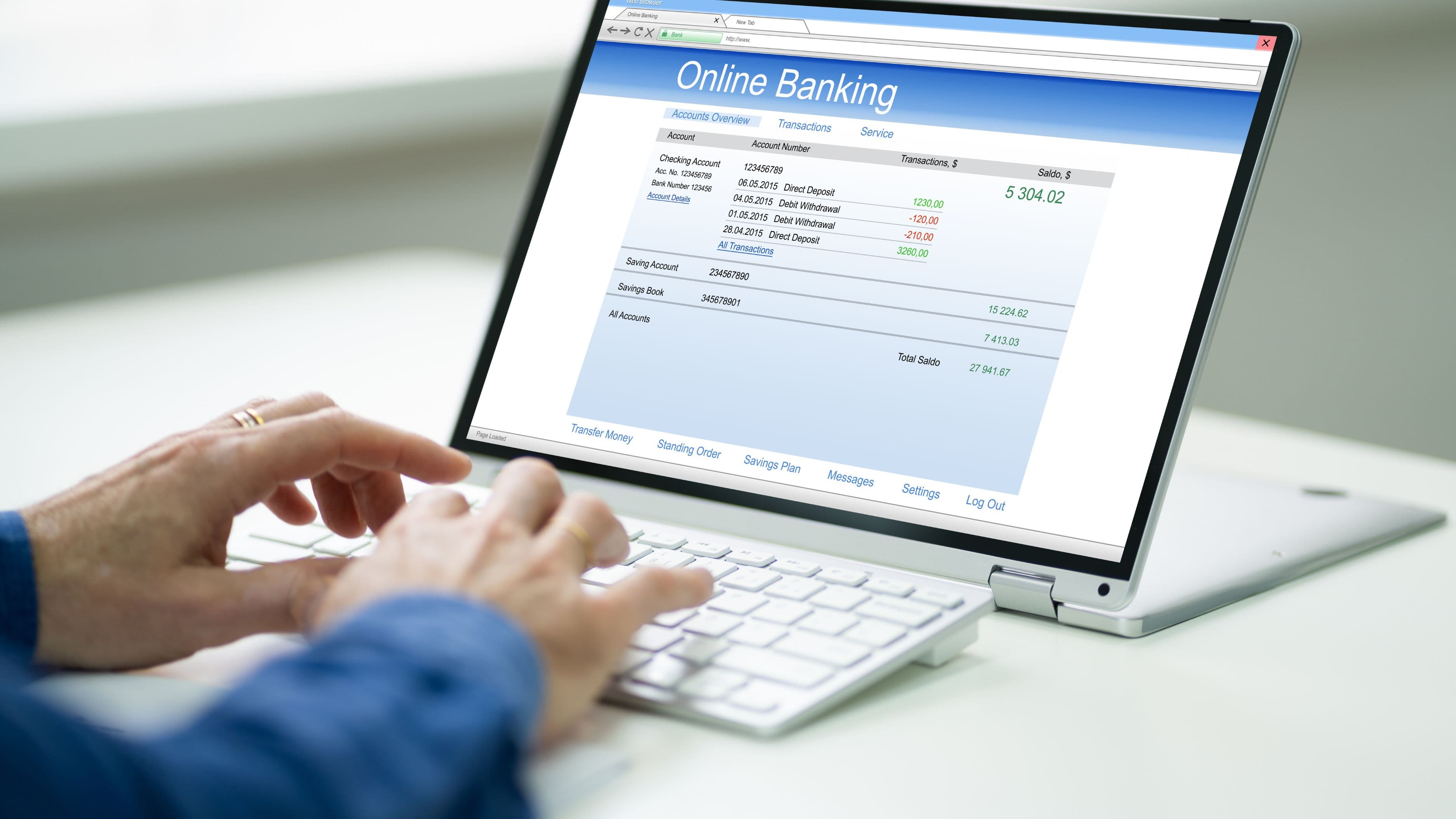
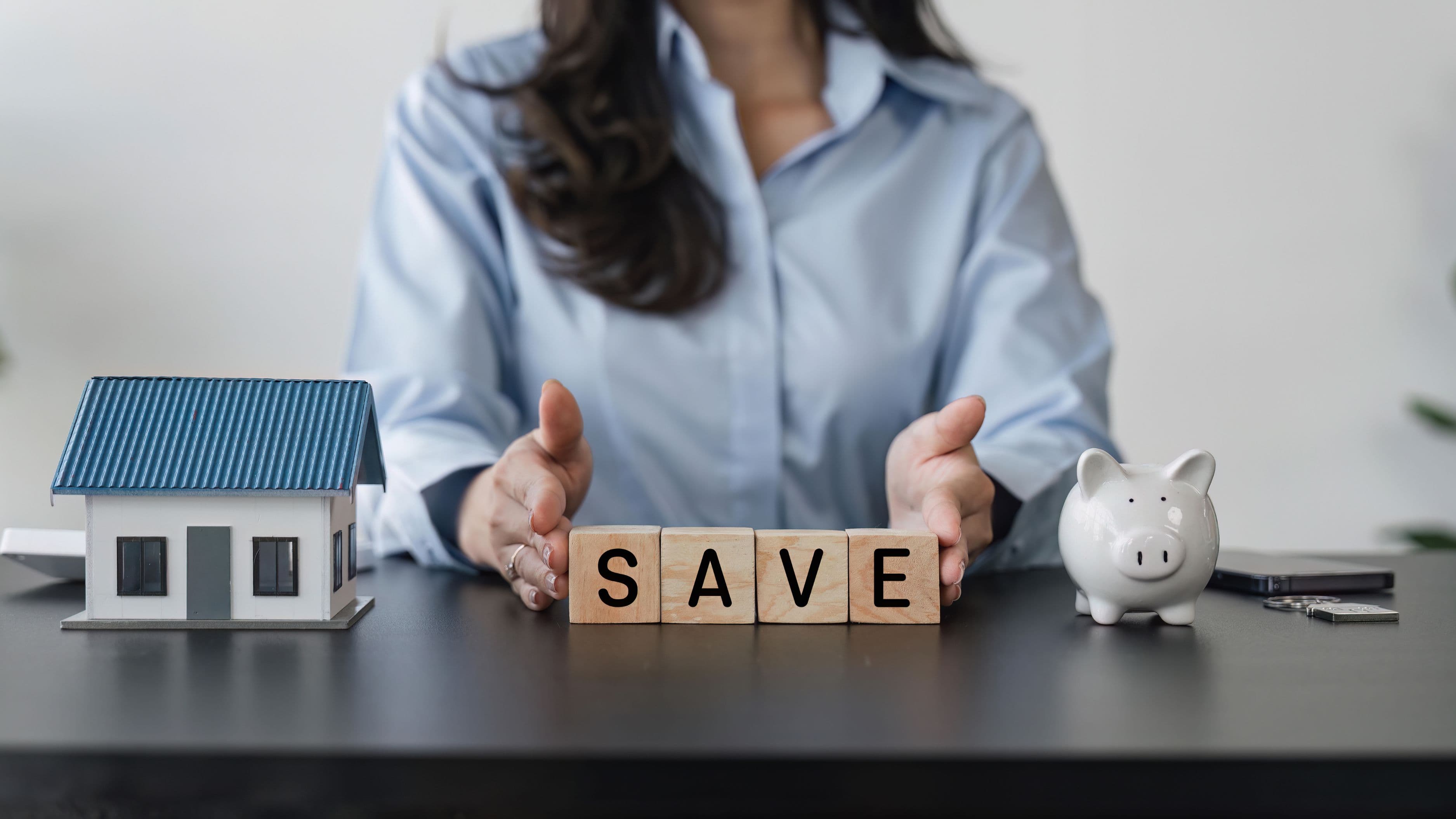
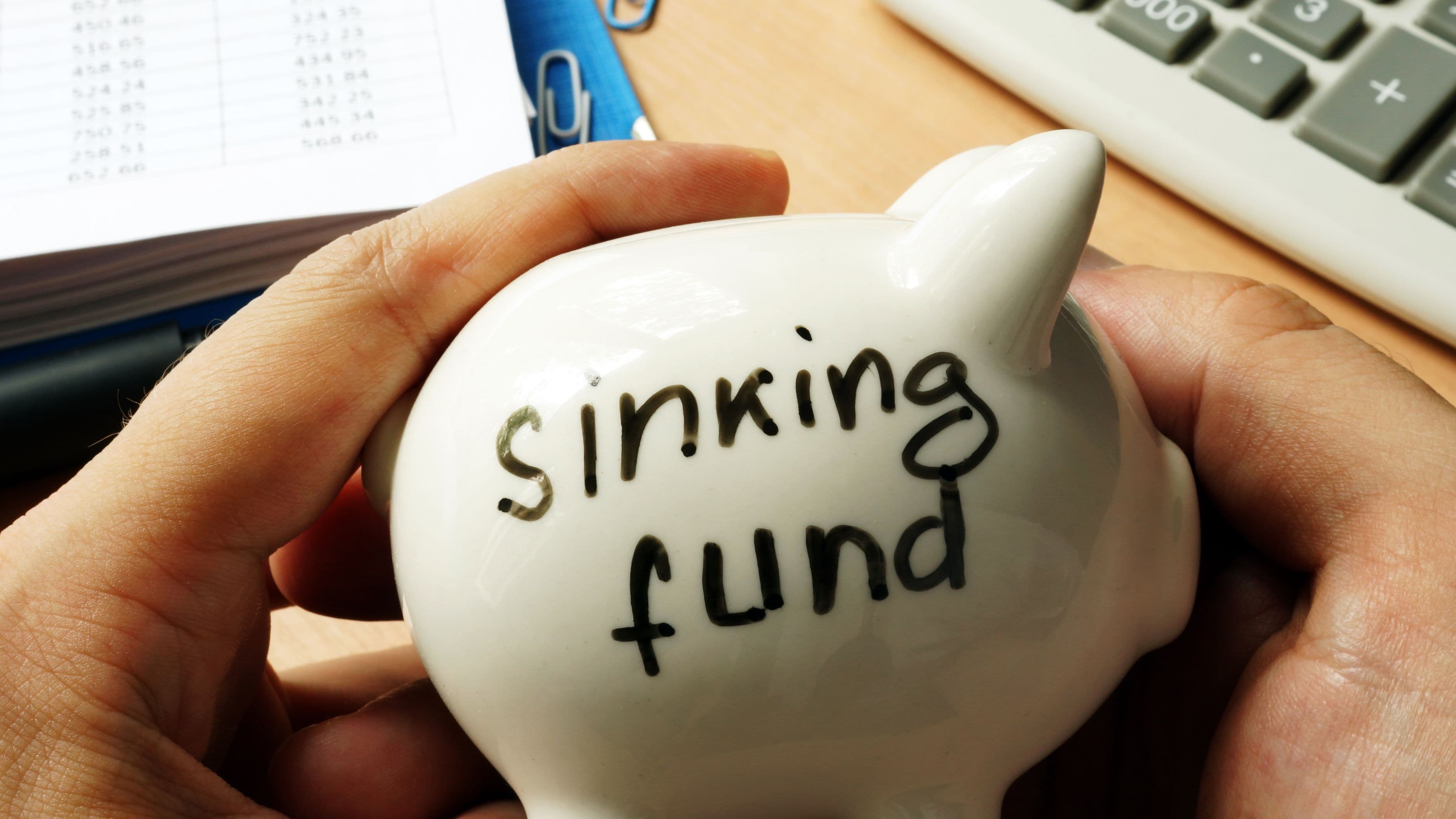
A sinking fund is simply a separate savings account earmarked specifically for a planned future expense, distinct from both your everyday checking account and your emergency fund. Open a separate savings account (many online banks offer this with no minimum balance and reasonably competitive interest rates) and label it clearly for its specific purpose, whether that's "New Car" or "Home Renovation."
Having a physically separate account, rather than just a mental note to save more, makes a meaningful difference in actually following through. It removes the temptation to spend the money on something else, and it gives you a clear, visible number to track as you work toward your goal.
Work Backward From Your Target Date and Amount
Once you know roughly what the purchase will cost and when you'd like to make it, divide the total amount by the number of months until your target date to get a clear monthly savings goal. If you're saving $6,000 for a purchase you'd like to make in 12 months, that's $500 a month, a concrete number you can build into your budget rather than a vague intention to "save more."
If the resulting monthly number feels unrealistic given your current budget, you have two levers to adjust: extend your timeline, or find additional room in your budget through cutting discretionary spending or adding a temporary income source specifically earmarked for this goal.
Automate the Transfer So It Doesn't Depend on Willpower
Set up an automatic transfer from your checking account to your dedicated sinking fund on the same day you get paid, rather than planning to manually move money "whatever's left over" at the end of the month. Treating this savings goal like a fixed bill, rather than a flexible afterthought, dramatically increases the odds you'll actually hit your target on schedule.
This also removes the mental friction of having to decide to save every single month. Once it's automated, the money is already gone from your spending account before you have a chance to talk yourself out of it or redirect it toward something else.
Find Extra Room Without Touching Your Emergency Fund
If your target date is tighter than your current budget comfortably allows, look for temporary, specific adjustments rather than permanent lifestyle changes. This might mean pausing a subscription for a few months, picking up occasional extra work specifically earmarked for this goal, or redirecting a specific windfall (a tax refund, a bonus) directly into the sinking fund rather than your general spending.
Keep this separate from any adjustments to your regular budget that support your emergency fund contributions. The two goals can run in parallel, but treating them as genuinely separate priorities, each with its own dedicated funding source, prevents one from quietly cannibalizing the other.
Consider Where to Actually Keep the Money
For a purchase more than a year away, a high-yield savings account is generally the right balance of safety and modest growth, since you want this money to stay stable and accessible rather than exposed to market volatility you can't afford to wait out if the timing doesn't line up. Avoid putting money you'll need within a year or two into investments tied to stock market performance, since a downturn right before your target date could force you to either delay your purchase or sell at a loss.
For longer timelines, some people choose to split the difference, keeping a portion in a high-yield savings account for stability and a smaller portion in more conservative investments if the timeline is genuinely flexible. This is a more advanced approach and depends heavily on your specific risk tolerance and how firm your target date actually is.
What to Avoid
Avoid treating your emergency fund as a flexible backup source for big purchases "just this once," since this is exactly the kind of gradual boundary erosion that leaves people under-protected when a genuine emergency eventually arrives. If you find yourself tempted to dip into it, that's usually a sign your sinking fund timeline needs adjusting, not a sign it's fine to blur the line.
Also avoid financing a big purchase with high-interest debt as an alternative to patiently saving, unless the interest rate is genuinely favorable or the purchase is time-sensitive in a way that justifies the added cost. A little patience with a dedicated sinking fund is almost always cheaper than paying interest on a loan or credit card for a purchase that could have been planned for.
Frequently Asked Questions
How much should I have in my emergency fund before starting a separate sinking fund? Most guidance suggests building at least a partial emergency fund, often one to three months of essential expenses, before prioritizing a separate savings goal, though this depends on your specific financial stability and risk factors.
What if an actual emergency happens while I'm saving for a big purchase? Pause contributions to your sinking fund and redirect that money toward the emergency instead, then resume your big purchase savings once the emergency fund is rebuilt to your target level.
Is a high-yield savings account really worth it for short-term goals? Yes, since the difference in interest between a standard and high-yield savings account can add up meaningfully over a savings timeline of a year or more, with no added risk to your principal.
📚 Sources
Consumer Financial Protection Bureau – Building an Emergency Fund, https://www.consumerfinance.gov/about-us/blog/build-emergency-fund/
Federal Deposit Insurance Corporation – Savings Account Basics, https://www.fdic.gov/resources/consumers/
Consumer Financial Protection Bureau – Setting Savings Goals, https://www.consumerfinance.gov/consumer-tools/