


The good news is that setting a savings goal the right way isn't complicated. It just requires a few specific steps that most people skip. Here's how to do it in a way that actually holds.
Start With the Real Number, Not a Round Figure
The first mistake most people make is picking a savings target based on what sounds right rather than what's actually required. "I want to save $5,000 this year" sounds solid, but where does $5,000 come from? If it doesn't correspond to a specific goal – a down payment, an emergency fund, a vacation, a car repair buffer – it's an arbitrary number with no anchor keeping it in place when things get tight.
Before settling on an amount, identify what the money is actually for. A three-month emergency fund for someone with $3,500 in monthly expenses is $10,500 – not $10,000, not $12,000. A trip to Europe with flights, accommodation, and spending money is $4,200 based on your actual research, not a vague $3,000–$5,000. Precision matters because a specific number tied to a specific purpose is psychologically harder to abandon than a round figure you came up with in the shower. It also makes the next steps – timeline and monthly breakdown – concrete rather than theoretical.
Attach a Deadline That Creates Real Urgency
A savings goal without a deadline is a savings intention. Deadlines create urgency, and urgency drives action. The deadline also does the math for you: divide your target by the number of months until your deadline, and you have your required monthly savings rate. That number either fits your budget or it doesn't – and knowing that early is the whole point.
If the required monthly rate doesn't fit, you have two honest choices: extend the timeline or reduce the target. What you should avoid is keeping an unrealistic deadline and monthly target on paper while quietly knowing you won't hit it. That approach breeds discouragement and eventually abandonment. A savings goal you can realistically hit by November is more valuable than an aspirational one you'll fall short of by March.
The one nuance worth knowing: some goals have fixed deadlines (a vacation you've already booked, a tuition payment with a due date) and some are flexible (an emergency fund, a house down payment). For flexible goals, building in a realistic timeline based on what you can genuinely save each month – rather than what you think you should save – dramatically improves follow-through.
Figure Out What You Can Actually Afford to Save
This is where most savings plans come apart, because people set a savings rate based on what feels ambitious rather than what the numbers actually support. The only way to know what you can save is to know what you spend, which requires looking at your real numbers rather than estimating from memory.
Pull up your last two to three months of bank and credit card statements and add up your actual spending by category. What comes out in fixed expenses – rent, insurance, subscriptions, minimum debt payments – is non-negotiable in the short term. What's left after fixed expenses and realistic variable spending (groceries, transport, personal spending) is your actual savings capacity. This number may surprise you in either direction.
If the gap between your income and your real expenses is smaller than your savings goal requires, you have a budget problem, not just a savings problem. The solution isn't to set an overly optimistic savings target and hope for the best – it's to either find specific spending to cut or find ways to increase income before committing to a number your budget can't support. Setting a goal your current budget genuinely allows is not settling. It's being honest in a way that sets you up to actually succeed.
Automate the Transfer So It Happens Before You Can Spend It
The single most effective savings behavior change most people can make is also the simplest: automate the transfer. Set up a recurring transfer from your checking account to a dedicated savings account on the day your paycheck hits – or the day after. When money moves automatically, before it gets absorbed into everyday spending, you stop needing willpower to save it. The decision is already made.
The dedicated account matters too. Keeping savings in the same account as your spending money makes it psychologically easier to dip into. A separate savings account – ideally a high-yield savings account earning 4–5% annually rather than a standard account earning nearly nothing – creates both a physical separation and a small reward in the form of interest. The interest won't make you rich, but it adds up meaningfully on larger balances, and it makes the account feel more purposeful.
Name the account after the goal if your bank allows it. "Europe 2025" or "Emergency Fund" sitting in your savings dashboard is a surprisingly effective reminder of why the money is there and why you shouldn't touch it for something else.
Track Progress Without Making It a Part-Time Job
Checking in on your savings goal too infrequently means you lose visibility and momentum. Checking in too frequently invites anxiety and obsessive monitoring that isn't useful. A monthly review – timed to when your statement closes or your paycheck lands – is the right cadence for most people.
In that monthly check-in, compare where you are to where you should be on your timeline. If you're on track, that's a win worth registering. If you're behind, figure out specifically why – a one-off expense that threw the month off is different from a structural budget problem that's going to repeat. One-off setbacks can be absorbed or partially recovered. Structural gaps need to be addressed directly rather than hoped away.
Progress tracking also reveals whether your goal was set correctly in the first place. If you've been hitting your monthly target consistently and with some room to spare, you may be able to accelerate. If you've been consistently falling short despite trying, the goal as set may need adjusting. Neither outcome is failure – both are information that helps you make a better plan.
The Common Mistakes That Derail Savings Goals
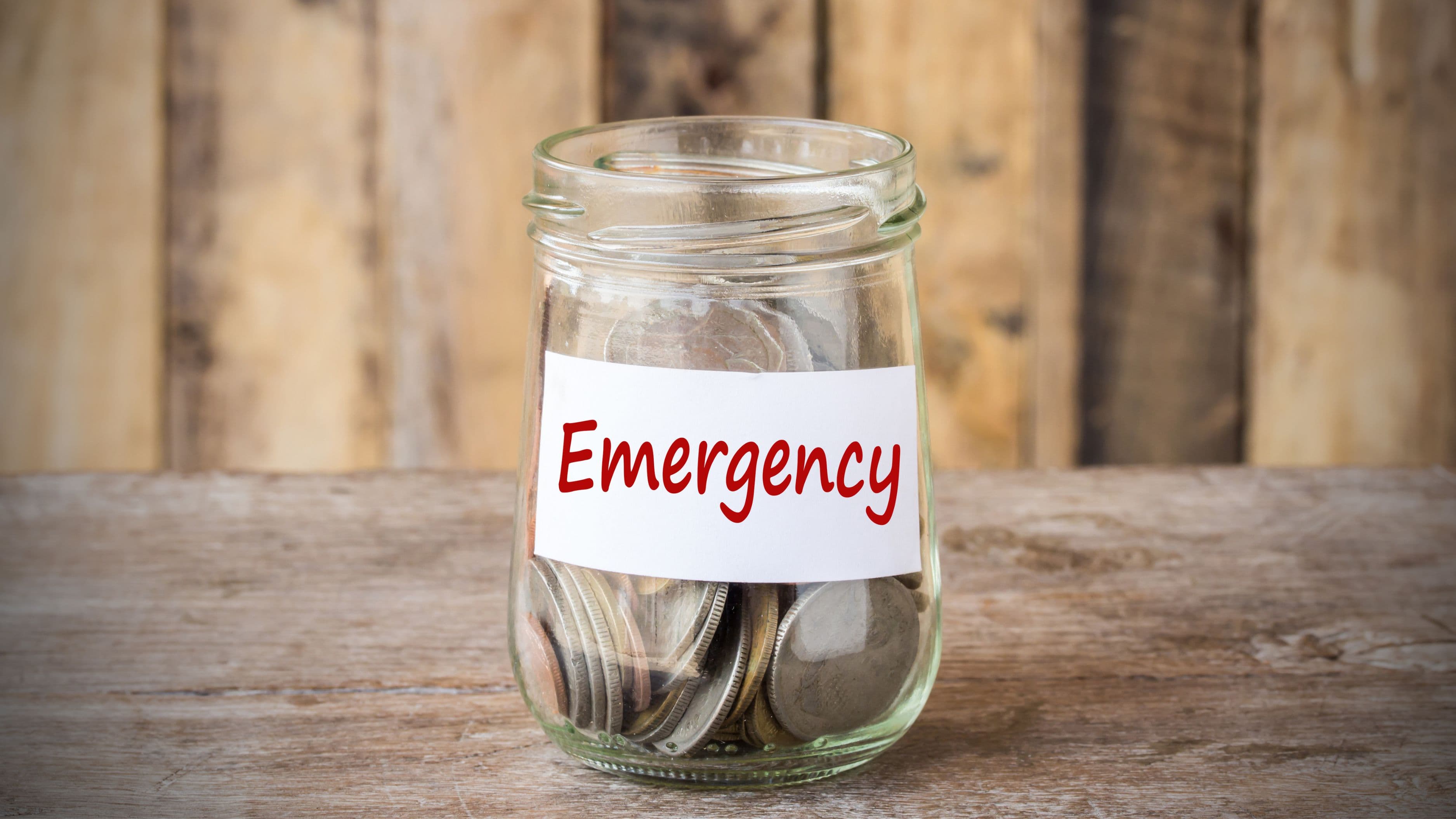
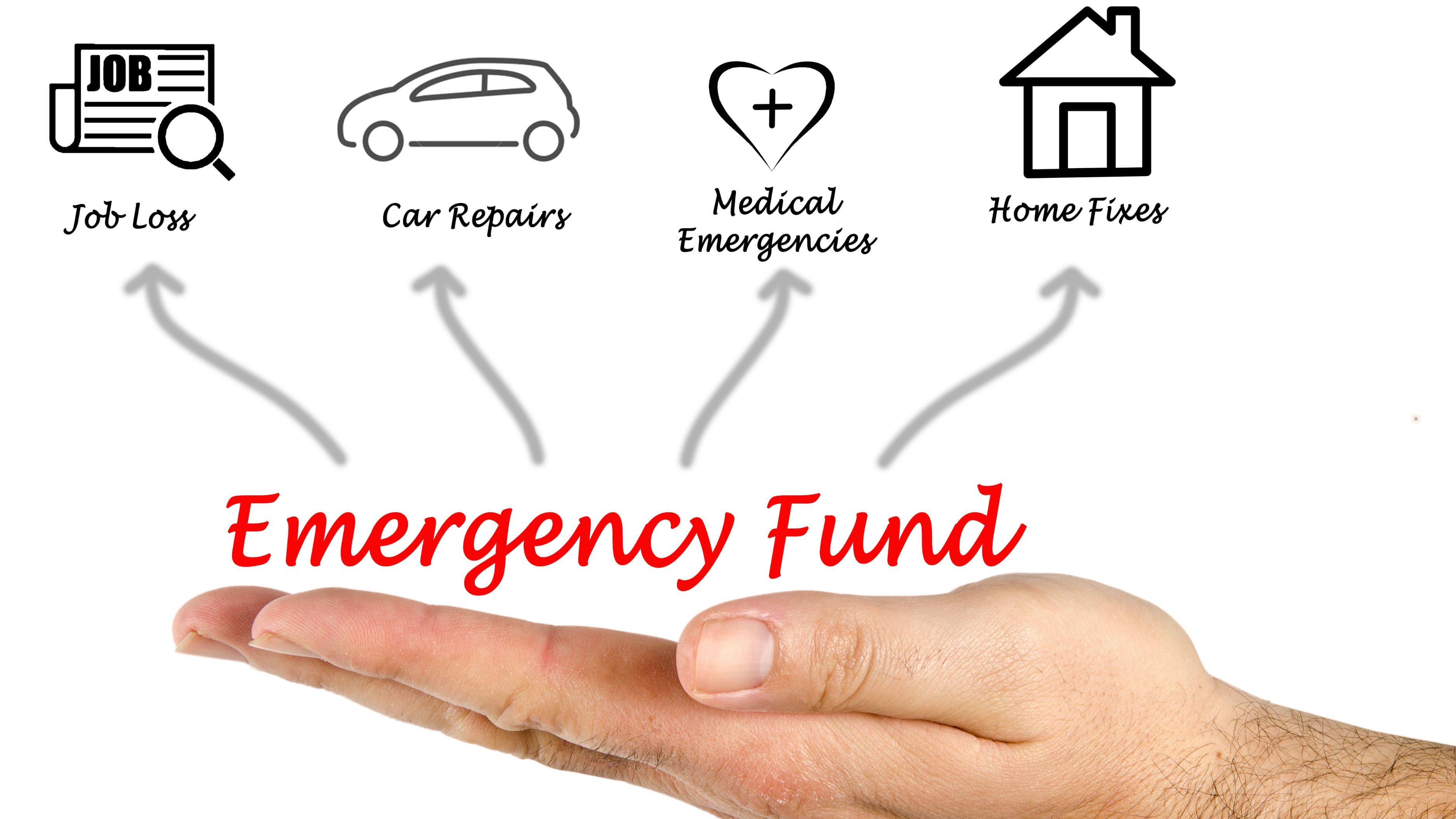
Setting too many goals simultaneously is one of the most reliable ways to achieve none of them. If you're splitting your savings capacity between an emergency fund, a vacation fund, a car fund, and a home down payment at the same time, you're making slow progress on four fronts simultaneously and likely feeling frustrated by all of them. Most financial planners recommend building your emergency fund first – three to six months of expenses in liquid savings – before splitting attention to other goals. The emergency fund is what prevents unexpected expenses from destroying every other savings goal you have.
Treating savings as what's left over after spending is the other major structural mistake. If you spend first and save the remainder, the remainder is usually zero or close to it. The pay-yourself-first model – where savings comes out immediately upon income arriving, before discretionary spending – consistently outperforms the save-what's-left approach because it removes the temptation and the decision-making from the equation entirely.
Expecting to save the same amount every month regardless of what life brings is also worth revisiting. Variable income, irregular expenses, and unexpected costs are part of real financial life. Building a small buffer into your monthly savings target – aiming to save $450 when your actual goal requires $400 – means a $50 shortfall one month doesn't feel like failure. It's just the buffer doing its job.
Key Takeaways
The savings goals that get reached share a few consistent features: they're tied to a specific purpose and real dollar amount, they have a realistic deadline, they're funded by an automated transfer calibrated to what the budget actually supports, and they're reviewed regularly enough to catch problems before they compound. None of this requires a financial background or a complex system. It requires honesty about your numbers and a few one-time setup decisions that then largely run themselves.
One practical starting point: if you don't already have an emergency fund, make that your first goal. Calculate your actual monthly essential expenses, multiply by three, and set that as your target. Open a dedicated high-yield savings account, automate a monthly transfer, and don't touch it for anything other than a genuine emergency. That one goal, completed, changes how stable the rest of your financial life feels.
FAQ
How much should I save each month? It depends on your income, expenses, and goals. A common benchmark is saving 20% of take-home pay, but that's a guideline, not a rule. The right number is whatever you can consistently save after covering real expenses – even 5–10% is worth doing and can be increased over time.
Should I save or pay down debt first? Generally, prioritize paying off high-interest debt (credit cards above 15–20% APR) before aggressive saving, since the interest cost often exceeds what you'd earn on savings. One exception: always maintain at least a small emergency fund ($1,000–$2,000) even while paying down debt, so unexpected expenses don't push you back onto credit cards.
What's the best type of account for a short-term savings goal? A high-yield savings account (HYSA) is the standard answer for goals with timelines under five years. They're FDIC-insured, accessible, and currently offering 4–5% annual yields at many online banks – meaningfully better than a traditional savings account's 0.01–0.5%.
What should I do if I miss my savings target one month? Don't try to make up the full shortfall the next month – that usually just creates another miss. Identify why you were short, adjust if it's a structural issue, and continue at your normal rate. Consistent saving over time is more important than hitting the exact number every single month.
How do I save when my income is irregular? Base your savings goal on your lower-income months rather than your average or peak income. When a high-income month arrives, save a larger portion of the surplus rather than spending it. This builds a savings rate that's sustainable in lean months and accelerated in good ones.
📚 Sources
Consumer Financial Protection Bureau – Getting Started with Saving: https://www.consumerfinance.gov/consumer-tools/save-spend-plan/
FDIC – Savings Account Types and FDIC Insurance: https://www.fdic.gov/consumers/savings/
U.S. Financial Literacy and Education Commission – My Money Five Principles: https://home.treasury.gov/policy-issues/financial-markets-financial-institutions-and-fiscal-service/financial-literacy
Federal Reserve – Report on the Economic Well-Being of U.S. Households: https://www.federalreserve.gov/publications/report-economic-well-being-us-households.htm
Investopedia – Pay Yourself First Explained: https://www.investopedia.com/terms/p/pay-yourself-first.asp