
What a Sinking Fund Actually Is
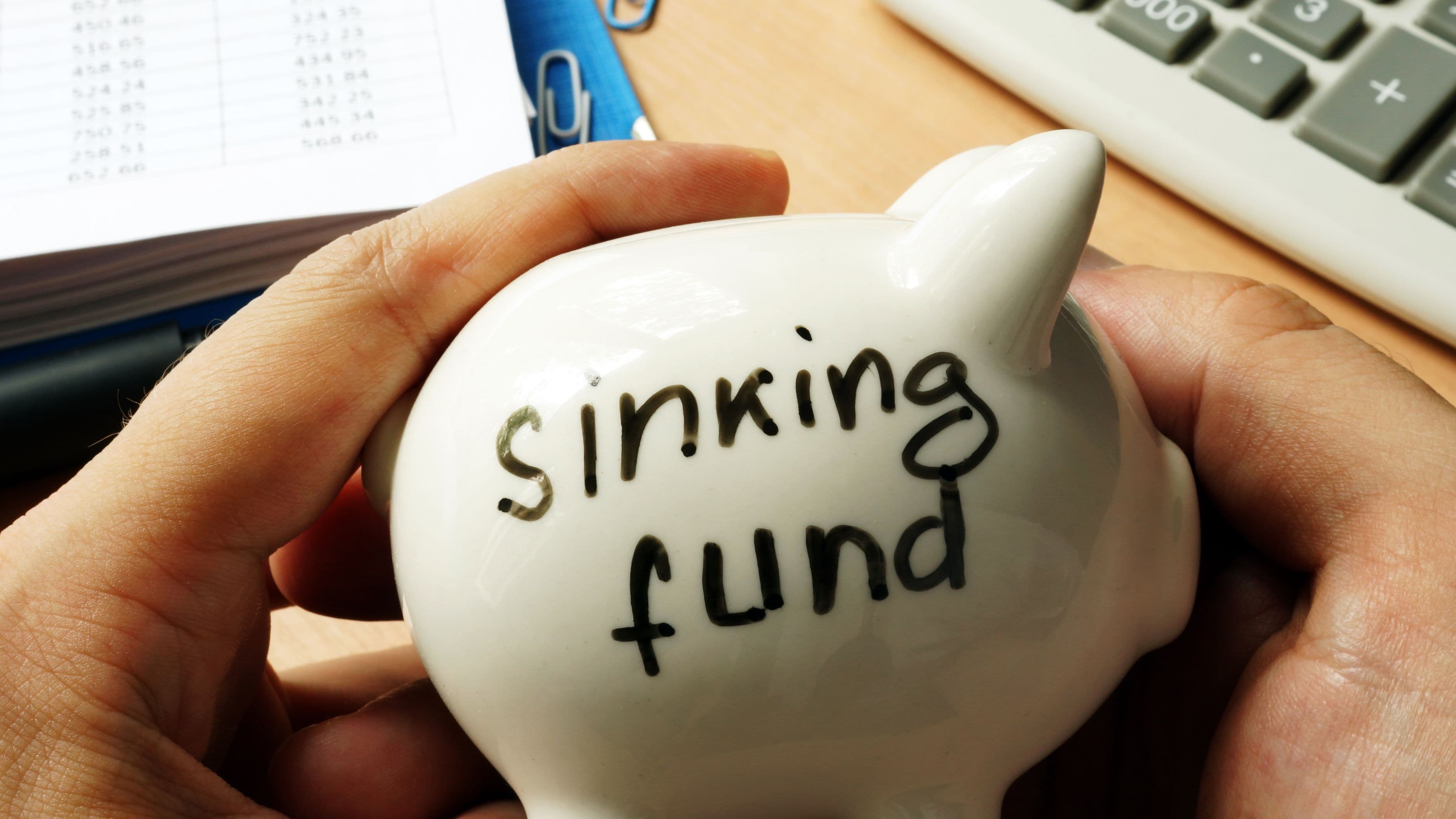
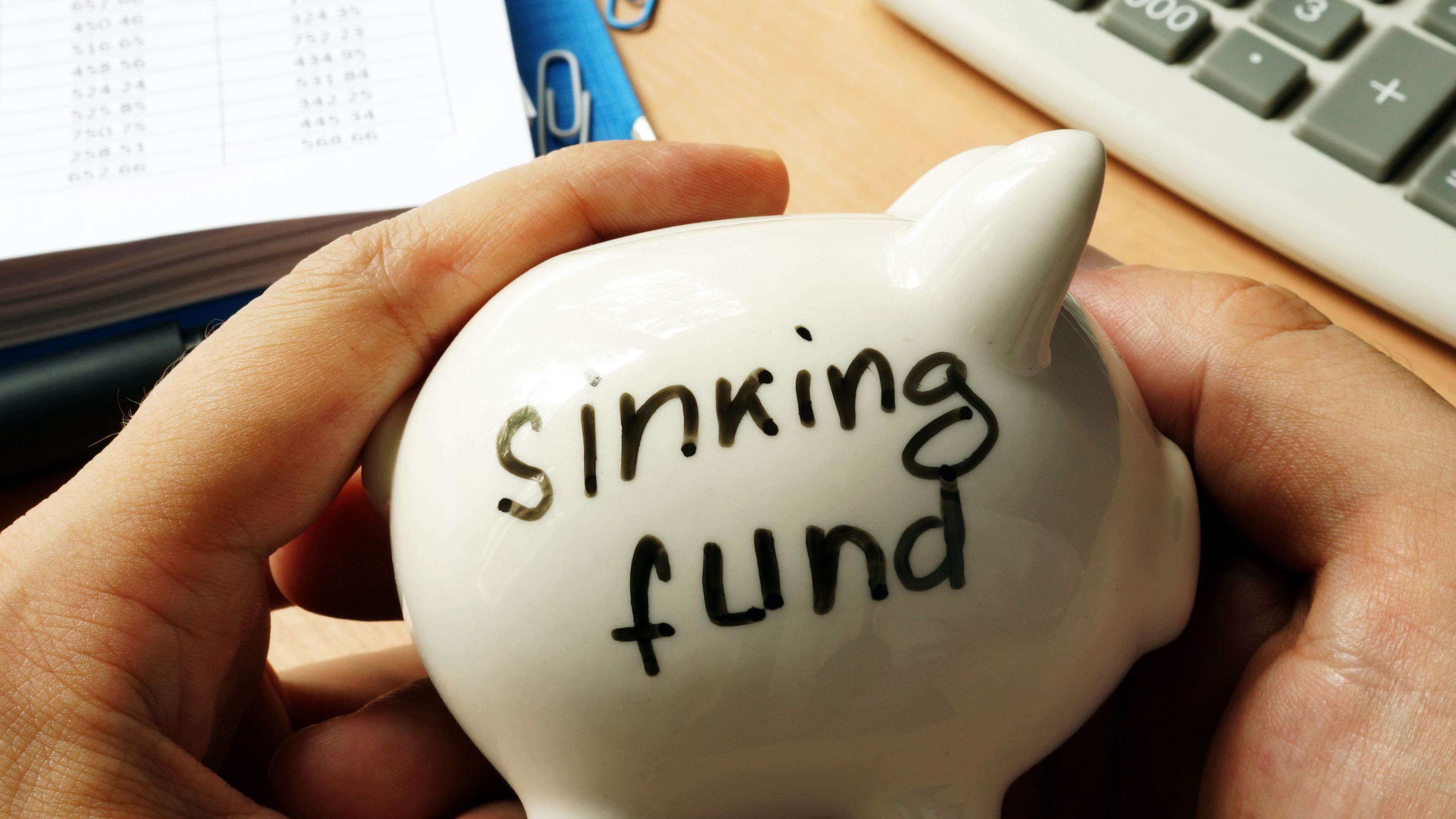
A sinking fund is a dedicated pool of money you build up gradually, in small regular amounts, specifically earmarked for a known future expense. Unlike an emergency fund, which exists for unpredictable events, a sinking fund is built around expenses you can see coming, an annual expense, a planned purchase, a seasonal cost, and it removes the shock of paying for them all at once. Instead of scrambling to find $600 for car insurance in one lump sum, you've already set aside $50 a month for the twelve months leading up to it.
What This Means for Your Money
The real value of a sinking fund isn't just organizational, it changes your actual cash flow experience month to month. When large expenses are pre-funded through smaller monthly contributions, you stop dipping into your regular checking balance, avoid reaching for a credit card out of necessity, and reduce the anxiety that comes with financial surprises that aren't actually surprises at all. It turns a handful of stressful, unpredictable-feeling months into a smooth, steady pattern of saving.
How Sinking Funds Differ From an Emergency Fund
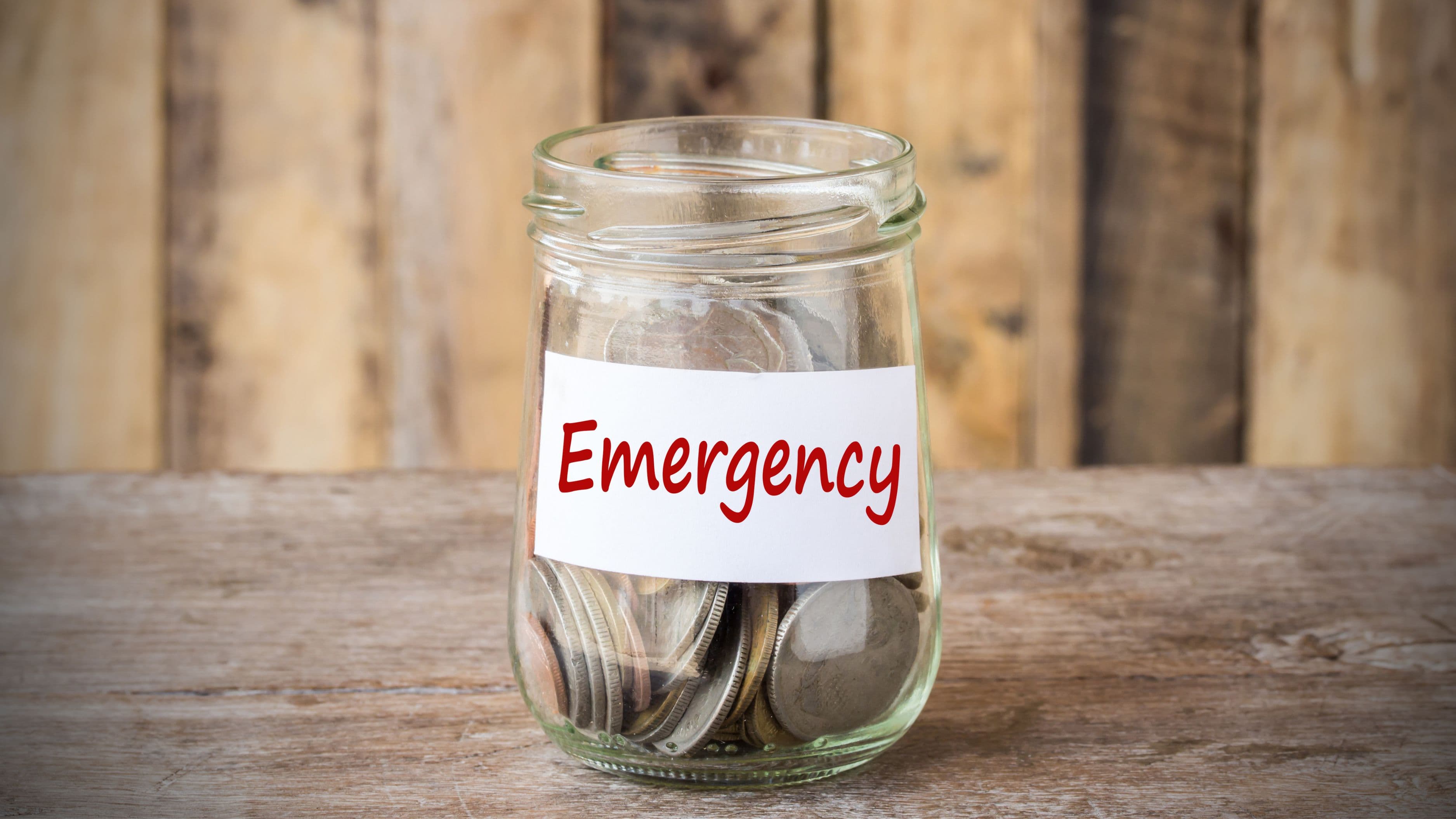
It's easy to lump these two concepts together, but they serve different purposes. An emergency fund exists for genuinely unpredictable events, a job loss, a medical emergency, an unexpected repair, and financial guidance generally recommends building this up to three to six months of expenses before focusing heavily elsewhere. A sinking fund, by contrast, is for expenses you already know are coming, holiday spending, an annual subscription renewal, a vacation, property taxes, and the goal isn't a large standing reserve, it's precisely enough to cover a specific, known cost by a specific date.
How to Set Up Your First Sinking Fund
Start by listing every predictable but irregular expense you face over the next twelve months, insurance premiums, holiday spending, annual subscriptions, car maintenance, birthday gifts, property taxes if applicable. For each one, divide the total expected cost by the number of months until it's due, giving you the exact monthly amount to set aside. If your car insurance renews in eight months and costs $600, that's $75 a month you need to start moving into a dedicated space right now.
Where to Keep Sinking Fund Money
A separate savings account, ideally one with a modest interest rate, works well for sinking funds since it keeps the money visibly separate from your everyday spending account without adding withdrawal friction when the expense actually arrives. Some people prefer using labeled savings "buckets" within a single account through their bank's app, which allows tracking multiple sinking funds at once without opening several separate accounts. The specific tool matters less than the consistency of contributions and the clear separation from money you use for daily spending.
Common Categories Worth Sinking Funds
Holiday and gift spending is one of the most common uses, since the December surge is entirely predictable yet often handled reactively. Annual insurance premiums, whether for a car, home, or a specific policy billed yearly instead of monthly, are another strong candidate. Seasonal costs like back-to-school supplies, vacation travel, home maintenance, and vehicle registration renewals all follow a similarly predictable pattern that a sinking fund handles cleanly.
Realistic Expectations
Sinking funds won't eliminate every financial surprise, since genuinely unexpected costs still require an emergency fund or other backup plan. What they do reliably deliver is the elimination of stress around expenses you could have seen coming but didn't plan for, which for most households represents a meaningful chunk of financial anxiety throughout the year. Building the habit takes a few months to feel natural, and it works best paired with a basic monthly budget rather than as a standalone fix.
Key Takeaways
Sinking funds turn irregular, predictable expenses into small, manageable monthly contributions rather than jarring lump-sum payments. They work best kept separate from your emergency fund, which should remain reserved for genuinely unpredictable situations. Setting one up takes just a few minutes, list your known upcoming expenses, divide by the months remaining, and automate the monthly transfer if your bank supports it. Starting with even one or two categories, like holiday spending or an annual insurance premium, is enough to feel the practical benefit before expanding to cover more of your predictable expenses.
Mistakes to Avoid
Don't combine your sinking fund money with your general savings without labeling it clearly, since it becomes too easy to accidentally spend funds earmarked for a specific future expense. Avoid underestimating the actual cost of the expense you're saving for, check last year's bill or a current quote rather than guessing. And don't neglect to adjust your monthly contribution if a cost increases, insurance premiums and subscription prices tend to rise over time, and your sinking fund contributions should keep pace.
FAQ
How many sinking funds should I have at once? Start with one or two categories tied to your biggest predictable annual expenses, then expand gradually as the habit becomes automatic and doesn't feel like extra mental effort.
Should sinking fund money earn interest? If your bank offers a savings account with a reasonable interest rate and no withdrawal restrictions that would interfere with using the funds when needed, that's generally worthwhile, though the primary purpose here is predictability, not growth.
What happens if I don't use the full sinking fund amount? Any leftover balance can simply roll into the next cycle's savings goal or be redirected toward another financial priority, since the money was already set aside from your regular budget.
📚 Sources
Consumer Financial Protection Bureau – Building Your Budget: https://www.consumerfinance.gov/consumer-tools/save-and-build-wealth/
FDIC – Savings Account Basics: https://www.fdic.gov/resources/consumers/