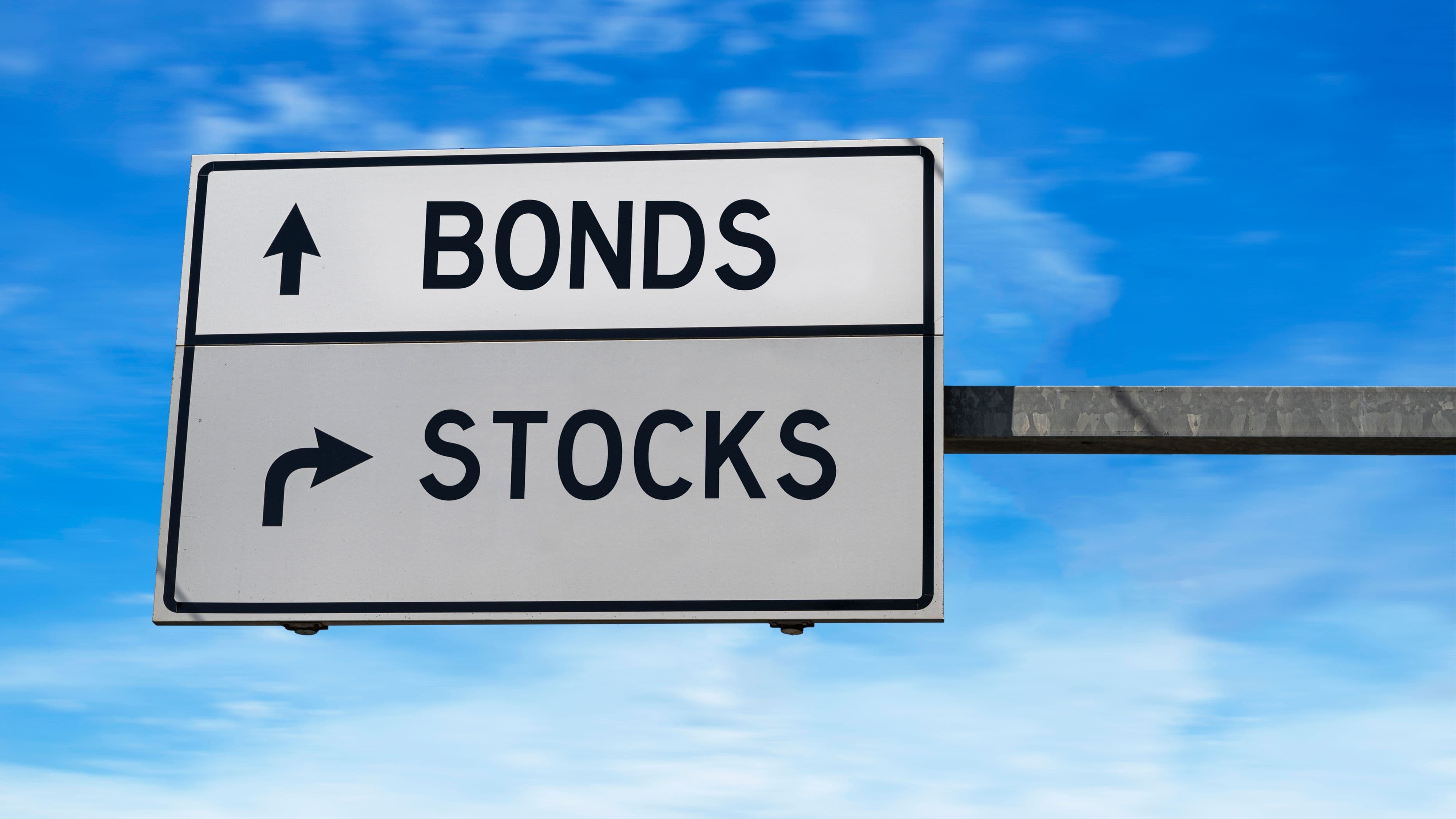
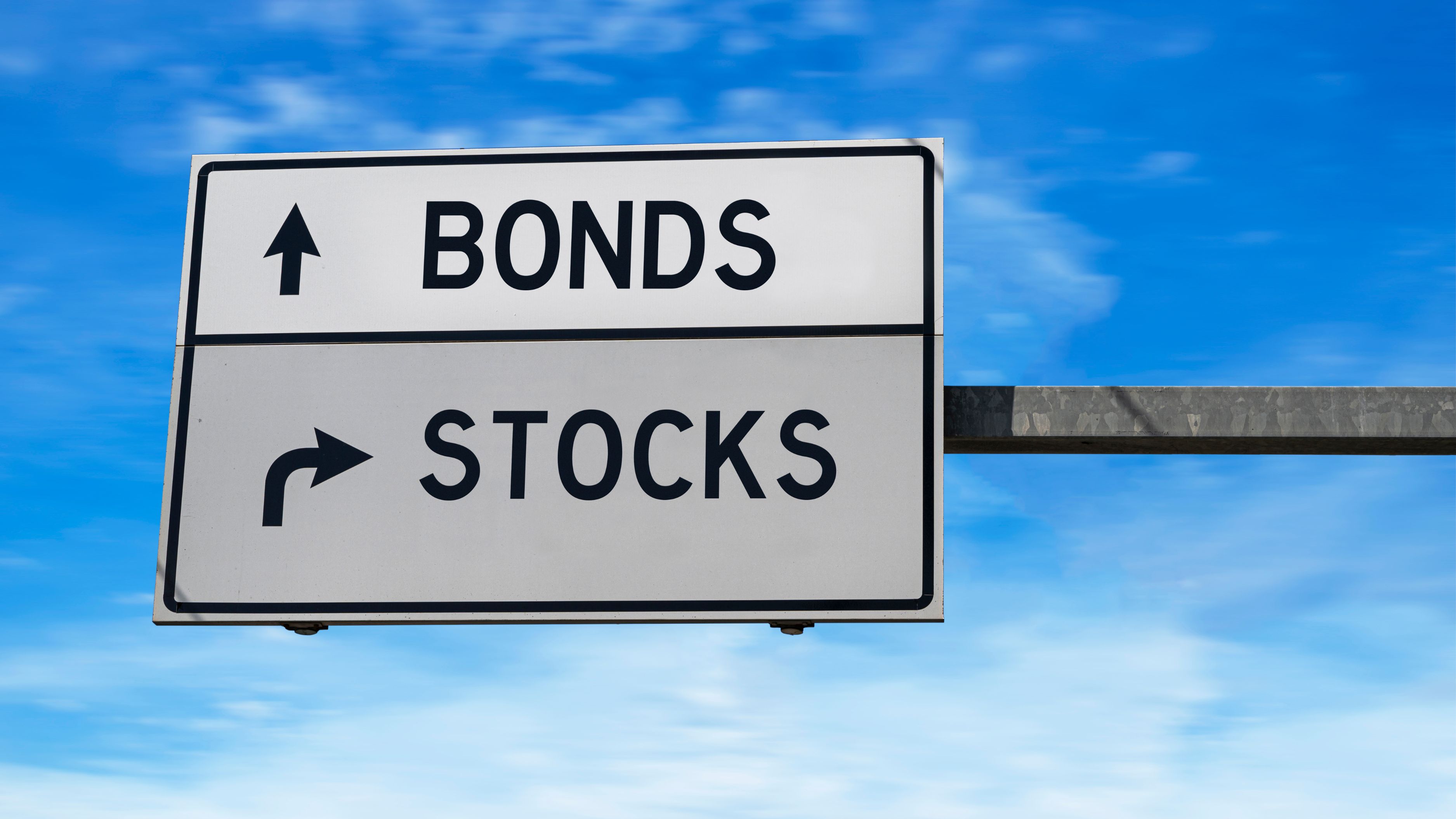
Here's a plain-language breakdown of what each one is, how they work in practice, and what it means for how you invest your money.
The Core Difference in One Sentence
When you buy a stock, you're buying a small piece of ownership in a company. When you buy a bond, you're lending money to a company or government and expecting to be paid back with interest.
That distinction — ownership versus lending — is the foundation of everything else. Both are investments. Both involve risk. But they work completely differently, behave differently in your portfolio, and are suited to different goals and time horizons.
What a Stock Actually Is
A stock represents equity — a share of actual ownership in a company. When a company like Apple, Nike, or a small regional business issues stock, it's dividing its total ownership into millions (or billions) of tiny pieces and selling them to investors. If you buy one share, you own a fraction of that company.
As a shareholder, two things can happen that affect your money. First, if the company grows and becomes more valuable, the price of your share goes up. If you bought a share at $50 and it rises to $80, you've made a $30 gain — on paper, and realized in cash if you sell. Second, some companies pay dividends — a portion of their profits distributed to shareholders regularly, usually quarterly. Not all companies do this, especially younger or faster-growing ones that reinvest profits back into the business.
The upside of stocks is real: over long periods, the stock market has historically delivered strong returns that outpace inflation. The downside is also real: stocks can drop significantly in value, sometimes quickly, and there's no guaranteed return. If a company fails, stockholders are among the last to be repaid — after employees, creditors, and bondholders. Owning stock means you take on the risk of the business in exchange for the potential to benefit from its growth.
What a Bond Actually Is
A bond is a loan you make to a borrower — most commonly a corporation, a municipality, or the federal government. When that entity needs to raise money, it can issue bonds to investors rather than going to a bank. You buy the bond, the borrower gets cash upfront, and in return they promise to pay you regular interest (called the coupon rate) over a set period, and then return your original investment (called the principal) when the bond matures.
For example: you buy a 10-year government bond for $1,000 with a 4% coupon rate. Each year, you receive $40 in interest. After 10 years, you get your $1,000 back. You didn't own anything. You lent money and collected interest for doing so.
Bonds are generally considered lower-risk than stocks, but not risk-free. There are two main risks. The first is credit risk — the possibility that the borrower defaults and can't pay you back. This is much lower for US government bonds (considered among the safest investments in the world) and higher for bonds issued by smaller companies with weaker finances. The second is interest rate risk — when interest rates rise, existing bonds with lower coupon rates become less attractive, which causes their market price to fall if you need to sell before maturity.
How They Behave Differently in a Portfolio
Stocks and bonds tend to move in different directions under the same economic conditions, which is why owning both is a foundational principle of diversified investing.
When the economy is growing, investor confidence is high, and companies are profitable, stocks generally perform well. People are willing to pay more for ownership of growing businesses. Bonds, meanwhile, may be less exciting — the fixed interest rate doesn't suddenly become more valuable just because the economy is booming.
When the economy slows down or enters a recession, stocks often fall as earnings expectations drop and investor confidence retreats. Bonds, particularly government bonds, often hold their value or even rise, because investors seek stability and predictable income when markets get choppy. This inverse relationship isn't perfect — it breaks down in certain economic environments — but it has held consistently enough over long periods that combining stocks and bonds reduces overall portfolio volatility compared to holding either one alone.
The Risk and Reward Trade-Off
Stocks have historically delivered higher long-term returns than bonds, but with significantly more volatility along the way. The US stock market has averaged roughly 7–10% annual returns over long periods (after inflation, closer to 7%). Individual years can look very different — gains of 25–30% are possible, but so are drops of 30–40% or more.
Bonds deliver lower returns but with more predictability. Investment-grade corporate bonds have historically returned 3–5% annually. US Treasury bonds sit at the lower end of returns but at the highest level of safety. The trade-off is that lower risk comes with a lower expected payoff. For money you need in the next 1–3 years or money you simply can't afford to see drop significantly in value, bonds' predictability makes them a more appropriate vehicle than stocks.
This is why conventional investing wisdom suggests adjusting your stock-to-bond ratio based on time horizon and risk tolerance. Younger investors with decades until retirement can tolerate more volatility and historically benefit from heavier stock exposure. Investors approaching retirement, or those who need the money sooner, typically shift toward more bonds to protect what they've built.
What This Means for Your Money
Understanding the difference isn't just academic — it directly shapes how you should think about building your investment accounts.
If you have money in a 401(k) or IRA and you've never looked at what it's actually invested in, there's a good chance you're in a mix of stock funds and bond funds. The allocation between them — say 80% stocks and 20% bonds, or 60/40, or 90/10 — is the primary driver of both your expected long-term returns and how much your account value will swing up and down along the way. Understanding what's in that mix and whether it matches your goals is one of the most valuable things you can do for your financial future.
If you're investing in a taxable brokerage account, individual bonds and stock shares are both available — but for most people, low-cost index funds that hold hundreds or thousands of stocks (or bonds) at once are a far more practical way to get diversified exposure to either asset class without needing to pick individual securities.
Key Takeaways
Stocks = ownership, higher potential return, more risk. You benefit when the company grows and lose value when it struggles. Best suited for long time horizons where you can ride out volatility.
Bonds = lending, lower potential return, more predictability. You receive regular interest and get your principal back at maturity (assuming no default). Best suited for shorter time horizons or as a stabilizer in a diversified portfolio.
Most investors hold both. The ratio depends on your goals, your time horizon, and how much volatility you can stomach without making emotional decisions at the worst time.
Your portfolio allocation matters more than individual picks. The decision of how much to hold in stocks versus bonds is responsible for a larger portion of your long-term investment outcome than which specific stocks or bonds you choose.
Low-cost index funds are the practical entry point for most people. Rather than buying individual stocks or bonds, funds like a total stock market index fund (VTSAX, VTI) or a total bond market fund (VBTLX, BND) give you diversified exposure at minimal cost.
FAQ
Can you lose all your money in bonds? It's possible but relatively rare, and mainly a risk with lower-quality bonds from financially unstable issuers. US government bonds are backed by the full faith and credit of the federal government and are considered extremely safe. Investment-grade corporate bonds carry some default risk but much less than stocks. High-yield (junk) bonds carry meaningfully higher default risk in exchange for higher interest rates.
Are bonds a good investment right now? Bond attractiveness changes with interest rates. When rates are higher, newly issued bonds pay more interest, making them more attractive. When rates fall, bond prices rise, which benefits existing bondholders. The right answer depends on current rate conditions and your specific investment goals — worth reviewing with a financial advisor or researching current yield data before making decisions.
What is a bond fund vs an individual bond? An individual bond has a fixed maturity date — you lend money for a set period and get paid back at the end. A bond fund holds many bonds and doesn't have a single maturity date — the fund manager buys and sells bonds continuously. Bond funds are easier to buy and sell and provide instant diversification, but they don't offer the same certainty of getting your principal back on a specific date.
If stocks return more over time, why hold bonds at all? Because volatility is a real risk, not just a theoretical one. Someone who can't stomach watching their portfolio drop 30–40% and sells at the bottom effectively locks in their losses. Bonds reduce volatility enough that many investors stay the course through downturns they wouldn't otherwise tolerate. Staying invested is more important than maximizing theoretical returns if the alternative is panic-selling.
Do I need to understand stocks and bonds to use a target-date retirement fund? Not deeply, no. Target-date funds (like a "2045 Fund" or "2050 Fund") automatically hold a mix of stocks and bonds that shifts toward bonds as the target date approaches. They're designed specifically so you don't have to manage the allocation yourself. Understanding the basics still helps you evaluate whether the default option in your 401(k) matches your actual risk tolerance.
The Bottom Line
Stocks and bonds are the two building blocks of most investment portfolios, and understanding how each one works gives you a much clearer picture of what your money is actually doing when it's invested. Stocks offer ownership and growth potential with more volatility. Bonds offer predictable income and stability with lower returns. Used together, they form the backbone of a diversified portfolio suited to your goals.
You don't need to become an expert in either to invest intelligently — but knowing the difference puts you in control of decisions that genuinely affect your financial future.
📚 Sources
Investor.gov (U.S. SEC) – Stocks: https://www.investor.gov/introduction-investing/investing-basics/investment-products/stocks
Investor.gov (U.S. SEC) – Bonds: https://www.investor.gov/introduction-investing/investing-basics/investment-products/bonds
Federal Reserve Bank of St. Louis – Long-run stock market returns data: https://fred.stlouisfed.org/series/SP500
Vanguard – Understanding asset allocation: https://investor.vanguard.com/investor-resources-education/understanding-investment-types/what-is-asset-allocation
U.S. Treasury – TreasuryDirect: how bonds work: https://www.treasurydirect.gov/indiv/research/indepth/bonds/res_bond_invest.htm