
What a Treasury Bond Actually Is
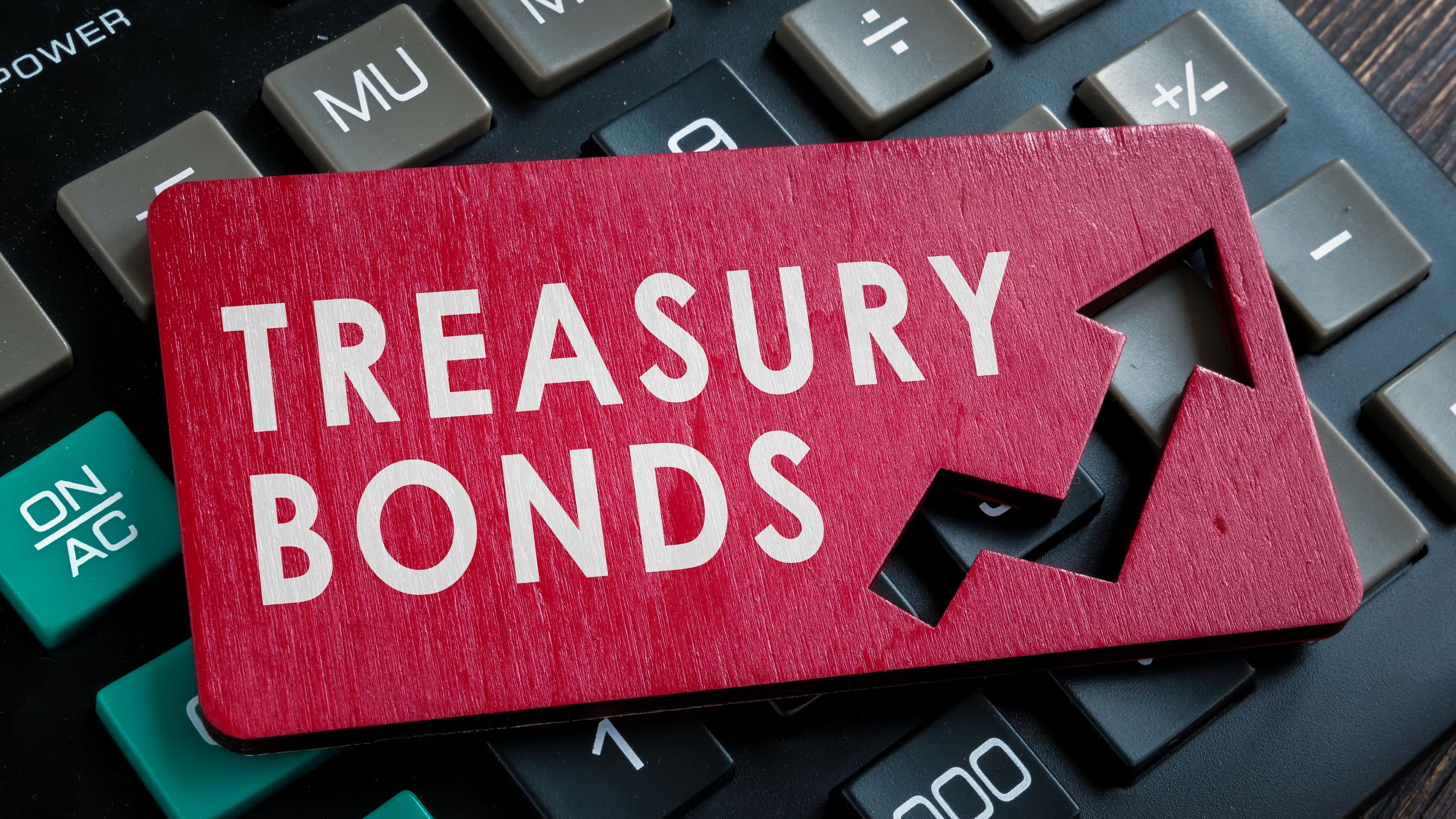
A Treasury bond is essentially a loan you make to the U.S. government. In exchange for that loan, the government agrees to pay you a fixed interest rate at regular intervals over a set term, and returns your original investment, called the principal, when the bond matures. Treasury bonds specifically refer to the longest-term U.S. government debt, with maturities of 20 or 30 years, though the broader Treasury securities family also includes Treasury notes, which mature in 2 to 10 years, and Treasury bills, which mature in a year or less.
What this means for your money: because these are backed by the U.S. government, they're widely considered one of the lowest-risk investments available, since the likelihood of the government defaulting on this debt is extremely low compared to other types of investments. This safety comes with a trade-off, though, since lower risk generally means lower potential returns compared to stocks or other higher-risk investments over the long run.
How Everyday People Can Actually Buy Them
You don't need a broker or an investment advisor to purchase Treasury securities directly. TreasuryDirect.gov, a platform run by the U.S. Department of the Treasury, allows individuals to open a free account and purchase Treasury bonds, notes, and bills directly, in denominations as small as $100. This removes what many people assume is a barrier, needing significant capital or professional help, to get started.
What this means for your money: for as little as $100, you can begin earning interest through a Treasury security without paying brokerage fees or managing complex paperwork, making this one of the more accessible ways to diversify beyond a standard savings account.
What Kind of Return Can You Actually Expect
Treasury bond interest rates fluctuate based on broader economic conditions and are set at auction, meaning the rate you'll earn depends on when you purchase. Historically, rates on long-term Treasury bonds have varied significantly across different economic periods, sometimes below 2 percent and other times considerably higher during periods of elevated interest rates.
What this means for your money: it's important not to assume a fixed, guaranteed percentage without checking current rates at the time you're considering a purchase, since the specific return you'll earn is tied directly to market conditions at that moment, not a static historical average.
Why Someone Might Choose Treasury Bonds Over Other Options
Treasury bonds can make sense as part of a diversified approach for money you don't need immediate access to but also don't want exposed to the volatility of the stock market. They're often used by savers looking for predictable income, retirees seeking stable returns, or anyone wanting to balance riskier investments elsewhere in their portfolio with a genuinely low-risk holding.
What this means for your money: this isn't typically the right tool for your emergency fund, since selling a bond before maturity can result in a loss if interest rates have risen since your purchase, reducing the bond's resale value. It's better suited for money earmarked for a longer-term goal where you can hold the bond to maturity and avoid that interest rate risk entirely.
Risks and Limitations Worth Understanding
While Treasury bonds are considered low-risk in terms of default, they're not risk-free in every sense. Interest rate risk means that if you need to sell a bond before it matures, and rates have risen since you bought it, you may receive less than you originally paid. Inflation is another consideration, since a fixed interest rate that doesn't keep pace with inflation can still result in a loss of real purchasing power over the life of a long-term bond, which is why some savers pair Treasury bonds with inflation-protected securities like TIPS for a more balanced approach.
Key Takeaways
Treasury bonds are a genuinely accessible, low-risk way for everyday people to earn a predictable return, purchasable directly through TreasuryDirect.gov with as little as $100. They work best as part of a longer-term savings or investment strategy rather than for emergency funds, since selling before maturity carries interest rate risk. Current rates fluctuate with broader economic conditions, so checking actual rates at the time of purchase matters more than relying on historical averages, and inflation should factor into whether a fixed-rate long-term bond fits your specific savings goals.
FAQ
Do I need a lot of money to start investing in Treasury bonds? No. TreasuryDirect.gov allows purchases in denominations as small as $100, making this accessible without significant starting capital.
Can I lose money with a Treasury bond? If held to maturity, you'll receive your full principal back along with the agreed interest. Selling before maturity, however, can result in a loss if interest rates have risen since your purchase.
Are Treasury bonds better than a high-yield savings account? It depends on your goals and current rates for each. Treasury bonds typically lock in a rate for a longer period, while high-yield savings accounts offer more flexibility but rates that can change over time. Comparing current rates for both is worth doing before deciding.
📚 Sources
TreasuryDirect, "Treasury Bonds" – treasurydirect.gov
U.S. Department of the Treasury, "Understanding Treasury Securities" – home.treasury.gov