Here's a step-by-step checklist you can use on any used car, whether you're at a dealership or in a private seller's driveway.
Before You Go: Check the Paperwork
Start with the VIN. Ask the seller for it before you visit, then run it through a vehicle history report, the National Motor Vehicle Title Information System for title brands, NHTSA's recall lookup, and the National Insurance Crime Bureau's VINCheck tool.
When you arrive, confirm the VIN on the paperwork matches the VIN on the car – you'll usually find it on the dashboard near the windshield and on the driver's door jamb. Ask for maintenance records, too. A car with a documented service history is generally a safer bet than one with no records at all.
Step 1: Walk Around the Exterior
Look at the car in good daylight, from several angles. Check for mismatched paint colors between panels, uneven gaps between doors and fenders, and paint overspray on trim or rubber seals. These can be signs of past body repairs.
Look for rust, especially along the bottoms of doors, wheel wells, and rocker panels. Surface rust can be minor, but bubbling paint or holes can signal more serious corrosion. Check the windshield for cracks or chips, and make sure all lights and lenses are intact.
Step 2: Inspect the Tires
Tires can tell you a lot about how a car has been treated. Check the tread depth across each tire – uneven wear on one edge can point to alignment or suspension problems. Make sure all four tires are a matching brand and size if possible, and look for cracks in the sidewalls.
Tires also carry a date code on the sidewall. Even tires with good tread may need replacement if they're old, which is a cost worth factoring into your offer.
Step 3: Look Under the Hood
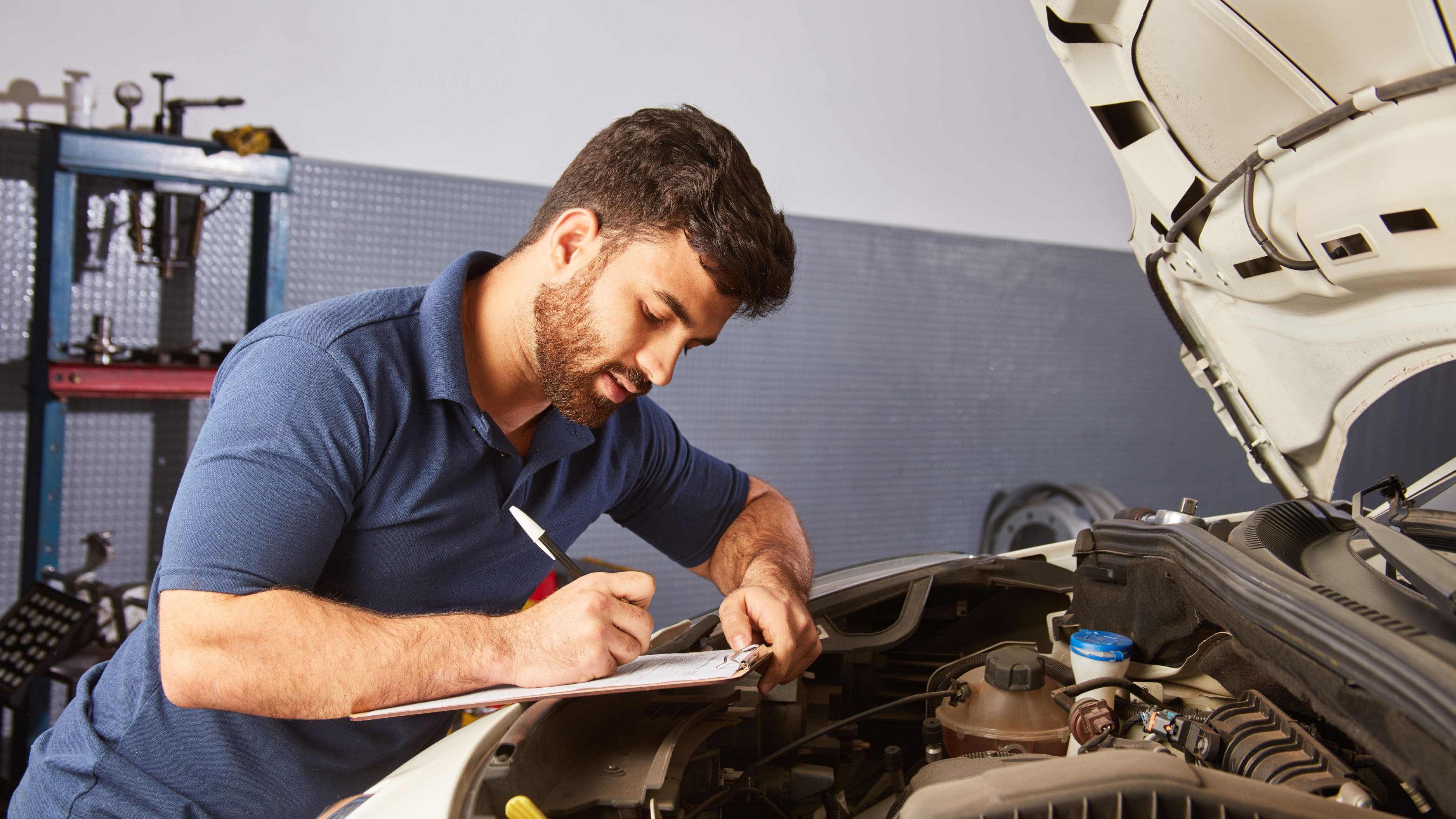
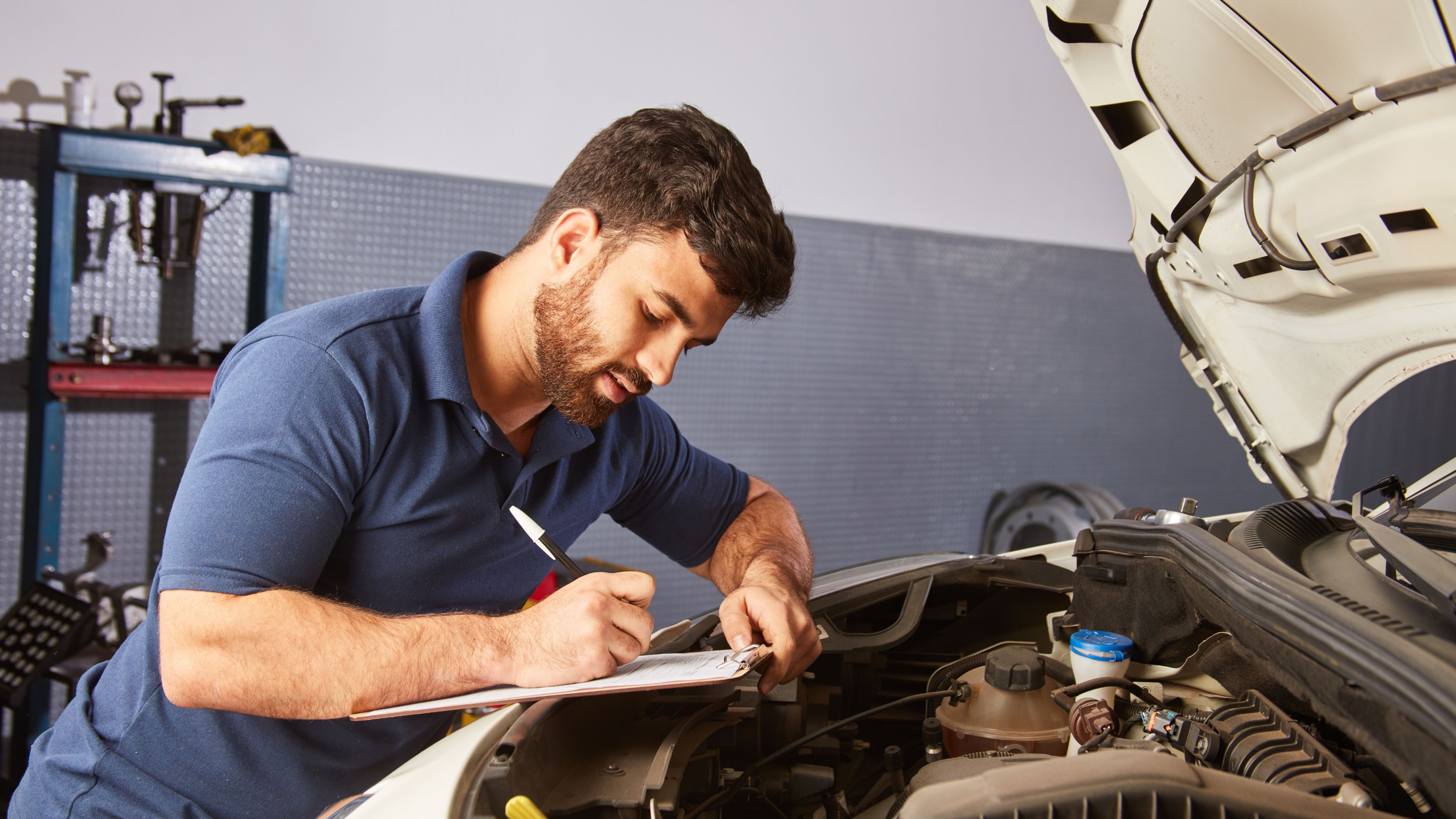
With the engine off and cool, open the hood. Check the oil level and color on the dipstick – very dark, gritty, or milky oil can be a warning sign. Look at coolant and brake fluid levels.
Scan the engine bay for leaks, cracked hoses, corroded battery terminals, or loose wiring. An engine that looks freshly pressure-washed isn't automatically a problem, but it can sometimes hide leaks, so look closely.
Step 4: Check Underneath
Use a flashlight to look under the car for drips, heavy rust, or damage to the frame and exhaust. Look at the ground where the car has been parked for fresh fluid spots. Different fluid colors can hint at different problems, which is useful information to pass along to a mechanic.
Step 5: Inspect the Interior
Sit in every seat. Check for damp carpets, musty smells, or water stains, which can signal leaks or past flood damage. Look for rust or silt in unusual places like under the seats or in the trunk's spare tire well – these are common flood warning signs.
Test the electronics: windows, locks, mirrors, lights, wipers, radio, climate control, and any screens or driver-assist features. Turn the key to the "on" position before starting the engine and make sure the dashboard warning lights come on and then go off once the car starts. A warning light that never illuminates could mean a bulb was removed to hide a problem.
Compare the wear on the pedals, steering wheel, and driver's seat with the odometer reading. Heavy wear on a low-mileage car can be a warning sign worth investigating.
Step 6: Take a Thorough Test Drive
Start the car cold if you can. Listen for unusual noises at startup, such as knocking or ticking. During the drive, test the car at different speeds, including on a highway if possible.
Pay attention to how the transmission shifts, whether the brakes feel firm and stop the car straight, and whether the steering pulls to one side. Drive over a bumpy road to listen for clunks from the suspension. Make a few tight turns in a parking lot and listen for clicking or grinding.
After the drive, look under the car again for any new leaks.
Step 7: Book a Professional Inspection
If the car passes your checklist, the next step is a pre-purchase inspection from an independent mechanic you choose. Your DIY check helps filter out obvious problems, but a mechanic with a lift and diagnostic tools can find issues you can't see.
What This Means for Your Money
Every red flag you spot is either a reason to walk away or a reason to negotiate. Worn tires, aging brakes, or a needed fluid service can be used to justify a lower offer. Signs of major issues – frame damage, flood exposure, transmission trouble – are often reasons to pass entirely, no matter how good the price looks.
By catching obvious problems early, you also avoid paying for professional inspections on cars you would have rejected anyway.
Common Mistakes
A few mistakes come up often. Buyers inspect the car at night or in the rain, when paint and body problems are harder to spot. They skip the cold start because the seller already warmed the car up. And they let a clean-looking interior distract them from checking the mechanical basics.
Another mistake is rushing because the seller says someone else is interested. A few extra minutes of checking is always worth it.
Key Takeaways
Run the VIN through history, title, recall, and theft checks before you visit
Look for body repair signs, rust, and uneven tire wear
Check fluids and look for leaks under the hood and under the car
Watch for flood damage signs inside the car
Use your findings to negotiate or walk away, then get a professional inspection
FAQ
What's the biggest red flag during a used car inspection?
Signs of flood damage and frame damage are among the most serious, since they can affect safety and are costly to fix. Title brands like "salvage" or "flood" are also major warning signs.
Should I bring anything with me?
A flashlight, a copy of the vehicle history report, and a notepad or phone for notes are helpful. Some buyers also bring an inexpensive OBD-II scanner to check for stored trouble codes.
Can this checklist replace a mechanic's inspection?
No. It's a first step that helps you rule out cars with obvious problems. A professional inspection can find issues that aren't visible without specialized tools.
Final Thought
A checklist won't make you a mechanic, but it will make you a much sharper buyer. Use it every time, and you'll walk away from the bad deals before they cost you anything.
This article is for general informational purposes only and is not financial advice. Vehicle conditions and repair costs vary, and no specific outcome or savings is guaranteed.
📚 Sources
National Motor Vehicle Title Information System – Vehicle History: https://vehiclehistory.bja.ojp.gov/
National Highway Traffic Safety Administration – Recalls: https://www.nhtsa.gov/recalls
National Insurance Crime Bureau – VINCheck: https://www.nicb.org/vincheck
National Highway Traffic Safety Administration – Odometer Fraud: https://www.nhtsa.gov/equipment/odometer-fraud
Federal Trade Commission – Buying a Used Car From a Dealer: https://consumer.ftc.gov/articles/buying-used-car-dealer